When the Cuban cigar world is discussed, the name Bolívar inevitably surfaces, conjuring images of robust flavor and timeless craftsmanship. Among the brand’s many vitolas, the Petite Bolívar holds a special, albeit fleeting, place in history. Though it disappeared from the market decades ago, its legacy endures in the collections of connoisseurs who seek a taste of pre‑revolutionary Cuban tradition.

Origins and Early Years
The Petite Bolívar was first released before the social upheavals of 1960, placing it squarely among the early releases of the brand’s modern era. Its introduction came at a time when Cuban cigar makers were fine‑tuning blends that would become synonymous with strength and complexity. The cigar quickly earned a reputation for delivering a full‑bodied experience in a compact format, catering to smokers who desired a shorter smoke without sacrificing depth.
Physical Characteristics
Classified as a petit corona, the Petite Bolívar measures precisely 95 mm—roughly three‑and‑three‑quarter inches—in length and sports a 42‑ring gauge. At a weight of 6.03 grams, it strikes a balance between portability and substance. The following list outlines its core specifications:
- Length: 95 mm (3¾ inches)
- Ring Gauge: 42
- Weight: 6.03 g
- Construction: Fully handmade
- Status: Discontinued
The modest dimensions mean that each puff concentrates the signature Bolívar profile, offering an intense yet succinct tasting journey.
Production and Packaging
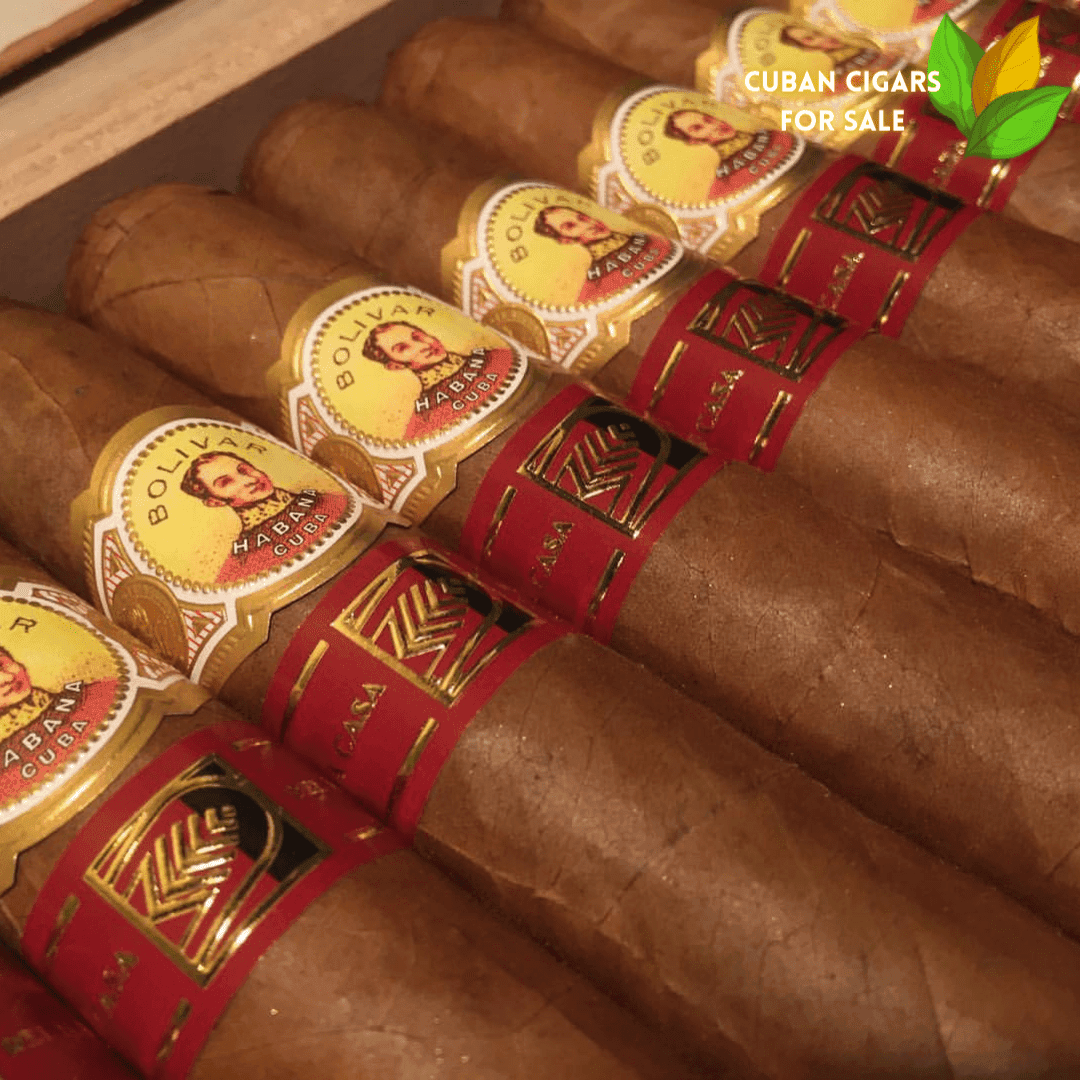
True to the era’s commitment to artisanal excellence, the Petite Bolívar was crafted entirely by hand. Skilled rollers selected premium long‑filler leaves, binding them with a precise bunch to ensure an even burn. The cigar was finished with the classic Bolívar band—designated as Band A—adorned with the brand’s historic emblem, which collectors recognize instantly.
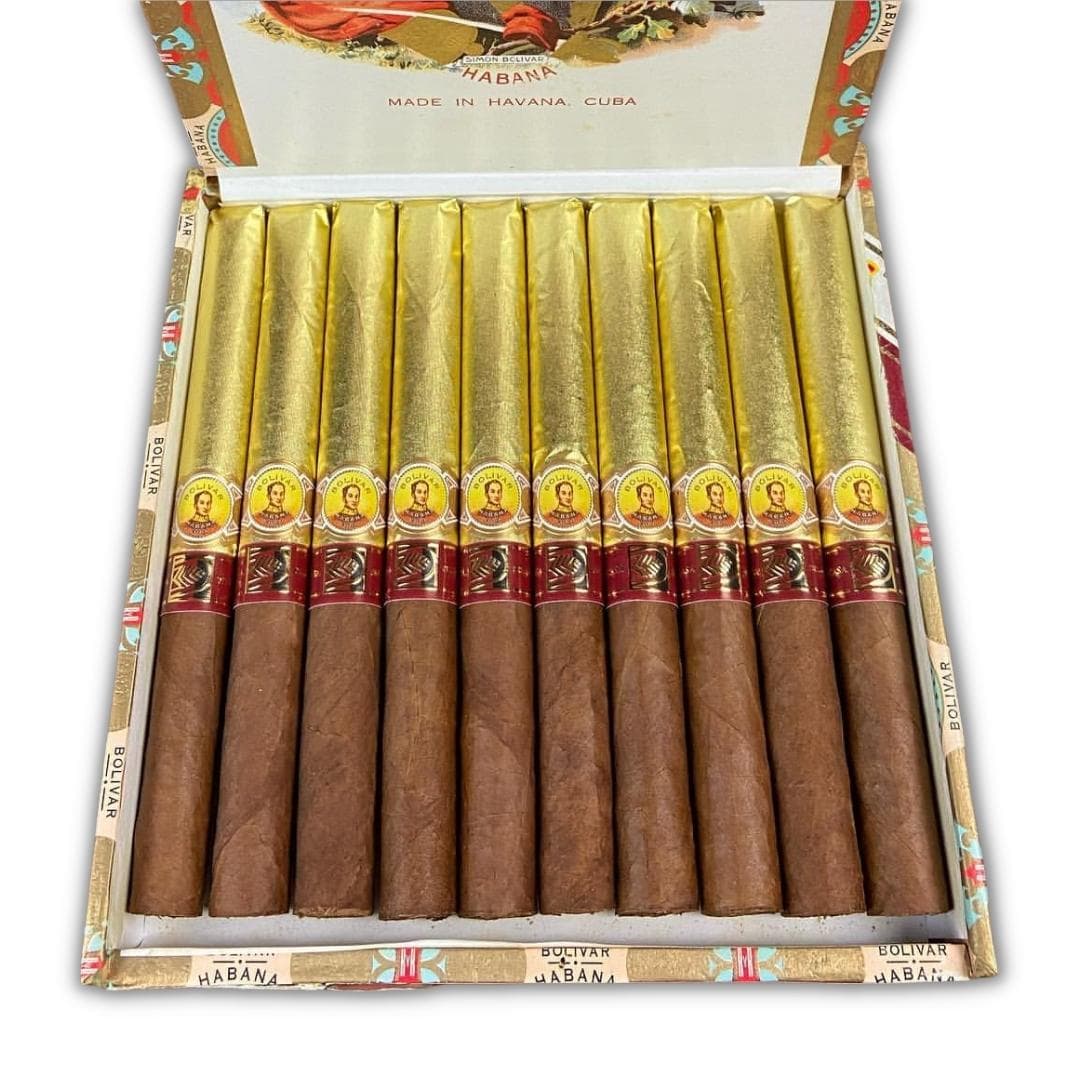
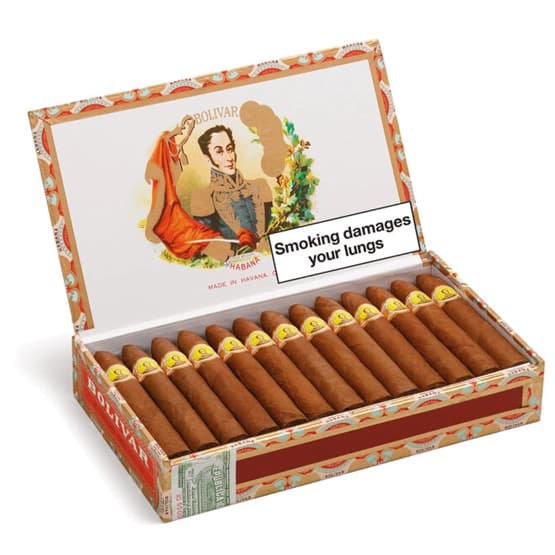
In terms of presentation, these cigars were shipped in traditional dress boxes holding 25 units. This packaging style reflected the standard practices of Cuban factories at the time, emphasizing both practicality and visual appeal. The boxes, often made of Spanish cedar, provided a subtle micro‑climate that helped maintain freshness during transit.
Collectibility and Modern Appeal
After approximately fifteen years on the market, the Petite Bolívar was discontinued in the mid‑1970s. Since then, it has become a rare artifact, occasionally surfacing in auction houses, specialty cigar shops, and private collections. Its limited availability fuels a devoted following among cigar historians and enthusiasts who view the vitola as a tangible link to Cuba’s pre‑revolutionary cigar culture.
For many collectors, acquiring a well‑preserved Petite Bolívar is more than a hobby—it is an opportunity to experience a bygone era of blending and craftsmanship. When smoked today, the cigar reveals layered notes of earth, leather, and a hint of spice, a testament to the robust Bolívar house style. The rarity of the vitola also makes it a conversation piece, often displayed alongside other vintageCuban releases.
In summary, the Petite Bolívar exemplifies the intersection of compact size and bold flavor that characterized many classic Cuban cigars. Though no longer in production, its story—spanning early market entry, meticulous handmade construction, and enduring collectibility—continues to inspire both seasoned aficionados and newcomers drawn to the romance of vintageCuban cigars.