For the modern aficionado, the name Bolívar typically evokes images of potent, hand-rolled robustos and imposing double coronas that demand hours of leisurely smoking. However, buried deep within the brand's storied archives lies a relic that challenges contemporary assumptions about Cuban craftsmanship: the Bolívar Palmitas. This slender format serves as a tangible reminder of an era when Havana's output was not limited to handcrafted masterpieces, but also included machine-made offerings designed for a broader, everyday market. Today, the Palmitas survives only in the humidors of serious collectors, representing a bygone chapter of industrial elegance.

The Industrial Approach to Cuban Tobacco
Modern cigar enthusiasts often view machine-made cigars as inferior products, but during the mid-20th century, mechanized production was a respectable and vital segment of the Cuban industry. The Bolívar Palmitas was born from this industrial tradition. Unlike the hand-finished cigars that dominate the luxury sector today, this vitola was constructed using automated machinery. This manufacturing choice was not a shortcut; rather, it was a standard practice of the period designed to ensure uniformity and accessibility.
The machine-made construction allowed for a consistent draw and burn that could be difficult to achieve in hand-rolled formats of such slender proportions. While the brand is famous for Simon Bolívar’s portrait and bold flavors, the Palmitas offered a different kind of smoking experience—one rooted in efficiency and consistency. It provides a fascinating contrast to the handcrafted giants of the era, proving that the Bolívar portfolio was once as diverse in its manufacturing methods as it was in its flavor profiles.
Specifications and Visual Profile
The physical attributes of the Palmitas paint a picture of a cigar designed for a different pace of life. With a length of 135 mm (approximately 5 ⅜ inches) and a remarkably thin ring gauge of 29, this cigar falls into the category of what is now considered a "delgada" or slender format. This elegant, pencil-thin silhouette was far more popular in the mid-century than it is today, reflecting a time when smoking was often a more frequent, intermittent activity rather than a prolonged ritual.
Technical Breakdown
- Dimensions: Measuring 135 mm in length with a slender 29 ring gauge, the Palmitas offered a much different hand-feel compared to the thick gauges preferred in the 21st century.
- Construction: Utilized machine-bunching techniques for a tight, consistent roll.
- Weight: Official records list the weight at a feather-light 3.86 grams.
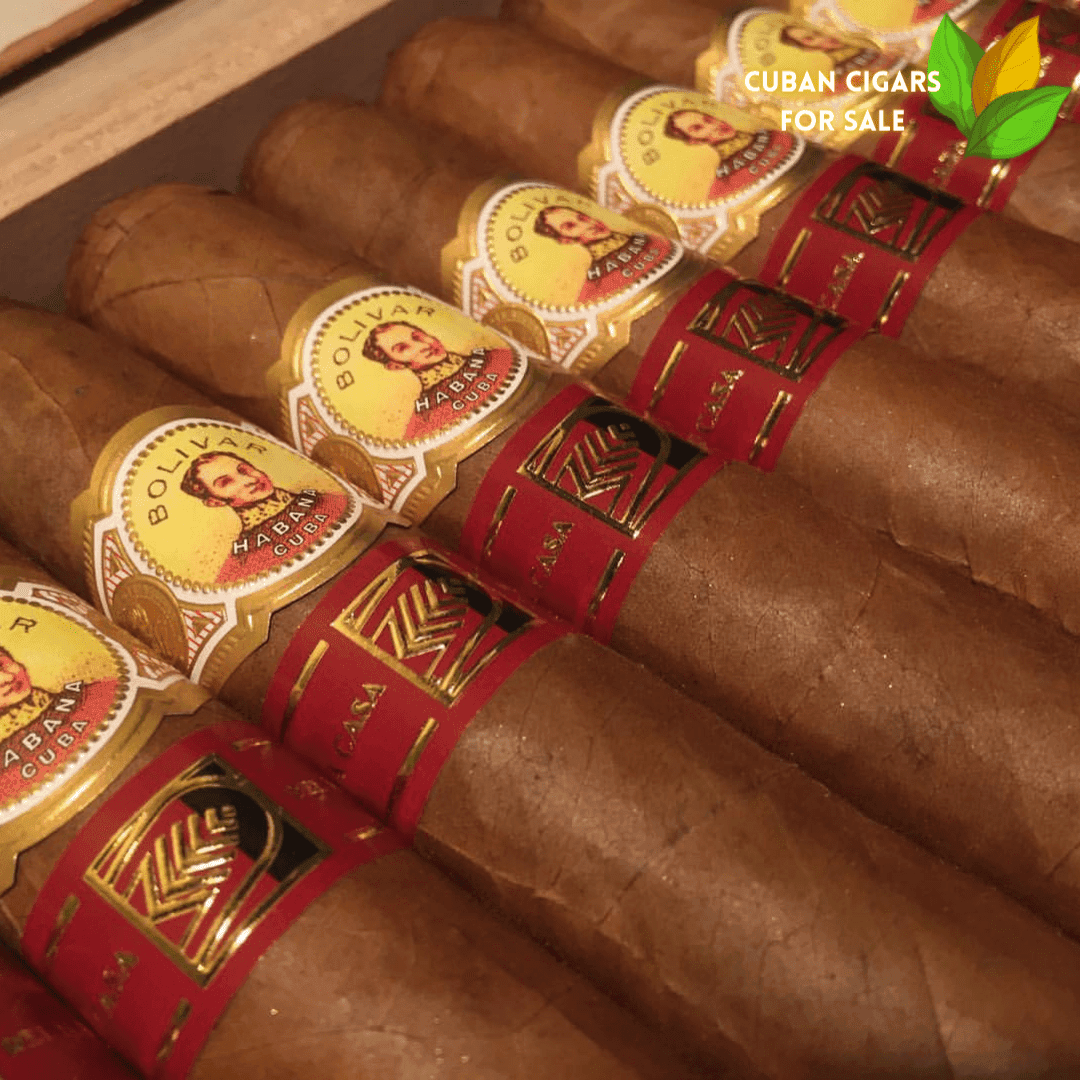
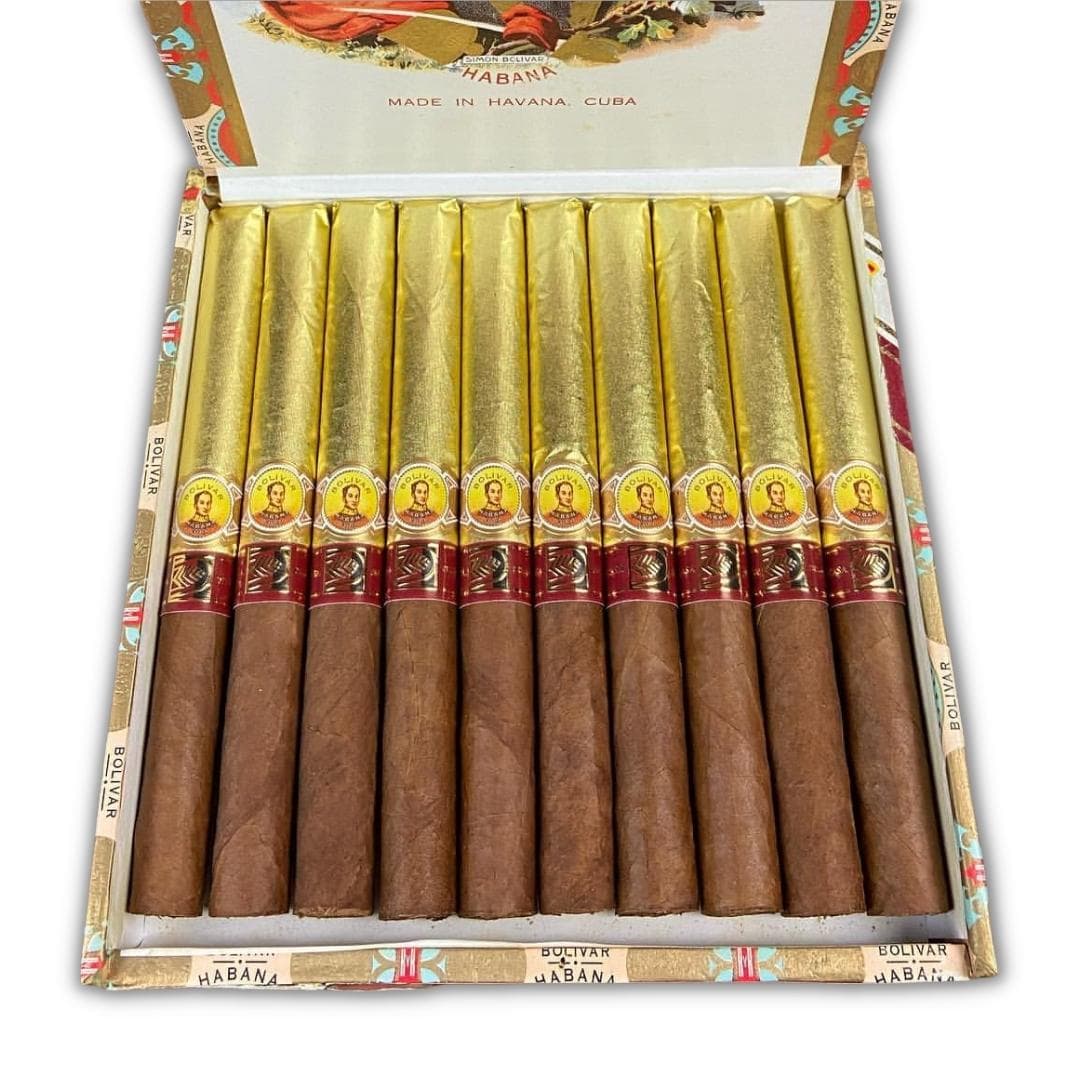
- Presentation: The cigar was adorned with the standard Bolívar "A" band, the classic yellow and red livery that identifies the brand's core lineup.
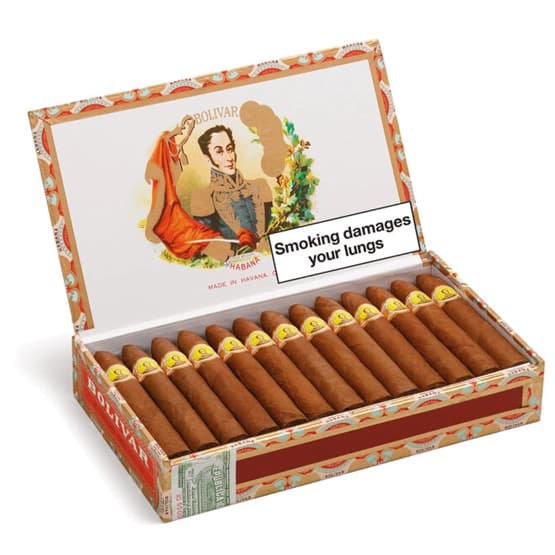
- Packaging: Sold in dress boxes of 25, arranged in the traditional style that collectors prize for its aesthetic uniformity.
The visual appeal of a box of Palmitas is undeniable. The dress boxes, combined with the standard branding, signaled that despite the machine construction, this was still a product of the esteemed Havana hierarchy. It bridged the gap between mass production and premium branding.
A Timeline of Transition and Cessation
The history of the Bolívar Palmitas mirrors the turbulent history of Cuba itself. The vitola was introduced to the market sometime prior to 1960, placing its birth in the pre-revolutionary golden age of Cuban tobacco. It survived the dramatic shift in the industry following the 1959 revolution, continuing to be produced during the early years of the state-run tobacco monopoly. This survival suggests that the Palmitas had a steady demand and a recognized place in the market.
However, the era of the machine-made Bolívar was not destined to last forever. By the mid-1970s, the Palmitas was discontinued. This period saw a gradual consolidation of Cuban cigar offerings, with a sharpening focus on handmade export products that could command higher prices on the international market. The discontinuation of the Palmitas marked the end of this specific slender format for the brand, closing the book on a two-decade run. While the Bolívar name continued to gain fame through hand-rolled legends like the Belicosos Finos and Royal Coronas, the Palmitas quietly exited the stage.
The Collector's Reality
In the contemporary market, the Bolívar Palmitas exists solely as a collectible artifact. Because production ceased nearly half a century ago, finding a box is a rare feat. For the historian or the completist collector, these cigars offer more than just smoke; they offer a lesson in industrial evolution. The fact that they were machine-made does not diminish their value in the eyes of a true archivist; rather, it enhances the story of how the Cuban cigar industry once operated on multiple parallel tracks of production.
While the specific factory responsible for rolling these cigars remains unconfirmed in historical records, the legacy of the Palmitas is secure. It stands as a testament to the breadth of the Bolívar brand, capturing a moment when automation and tradition coexisted in the humidors of the world. For those lucky enough to encounter one, it is a delicate, slender link to the bustling Havana factories of the past.