Among the pantheon of discontinued Cuban cigars, the Bolívar Palmas occupies a special place in the hearts of collectors and aficionados who remember when slender vitolas were more common on humidor shelves. This elegant, long-format smoke has become increasingly difficult to source, transforming it from an everyday option into a treasured artifact of Cuba's rich tobacco heritage. For those fortunate enough to encounter one, the Palmas represents not just a smoking experience, but a tangible connection to an era when the world's most celebrated cigars often came in more delicate proportions.

Origins and Timeline
The Palmas first appeared in the Cuban market before the dawn of the 1960s, emerging during what enthusiasts often reference as the golden era of Cuban cigar production. During this formative period, the Bolívar marca was expanding its reach and reputation, offering smokers a wider variety of shapes and sizes than what would eventually become available in later decades.
Manufacturing of this particular vitola continued for approximately twenty-five years, a substantial production run that allowed it to develop a loyal following among smokers who appreciated its distinctive profile. The brand decided to retire the format in the mid-1980s, a decision that reflected shifting market preferences toward thicker, more robust ring gauges. This discontinuation marked the end of an accessibility window, after which the cigar transitioned gradually into the realm of collector's items.
Technical Details and Construction
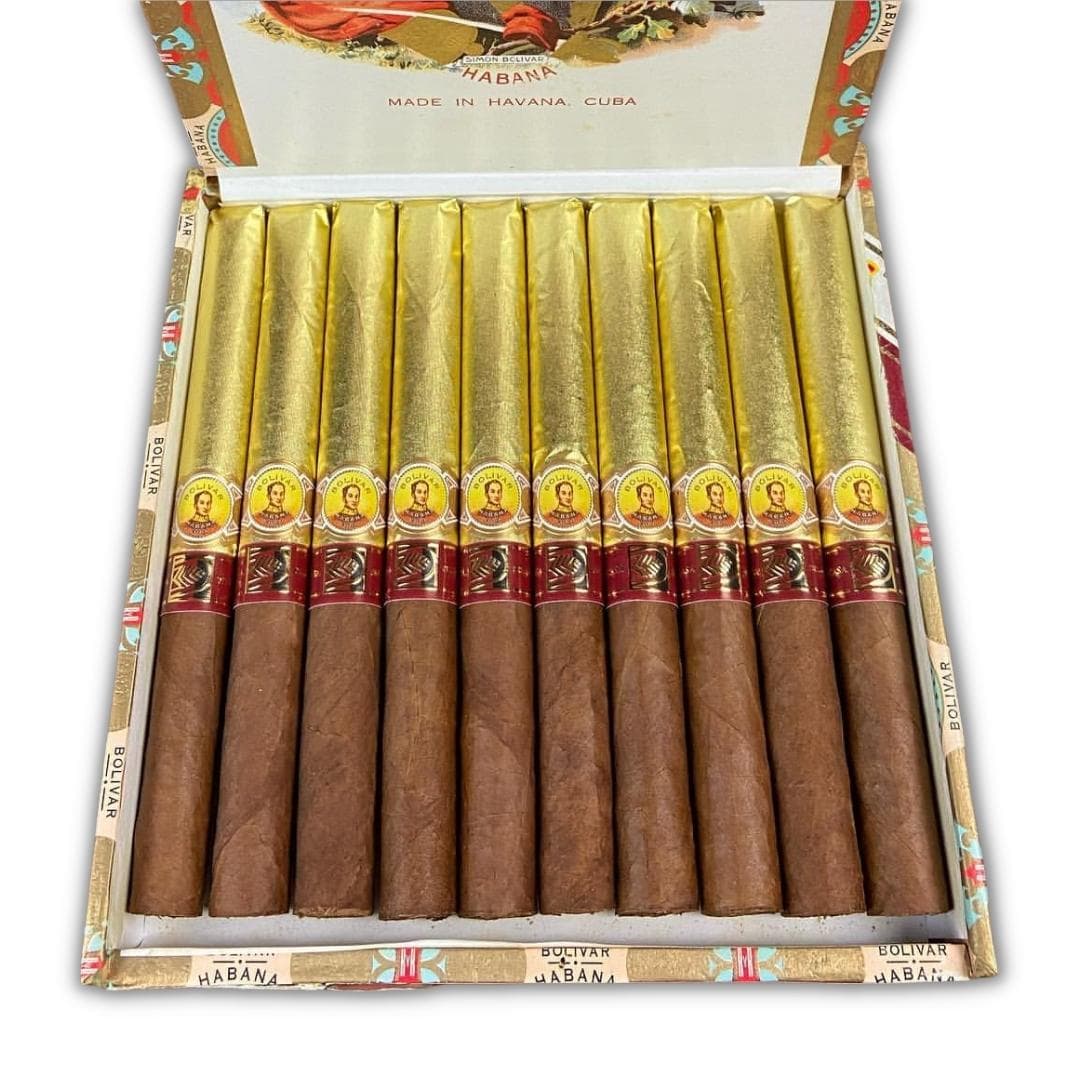
The Palmas was crafted under the factory designation "Ninfas," which serves as the internal nomenclature used within Cuban cigar factories to identify specific dimensional configurations. This particular format is characterized by its notably slender profile, measuring 178 millimeters in length with a 33 ring gauge. The weight registers at approximately 7.07 grams per cigar, contributing to its reputation as a delicate, refined smoke.
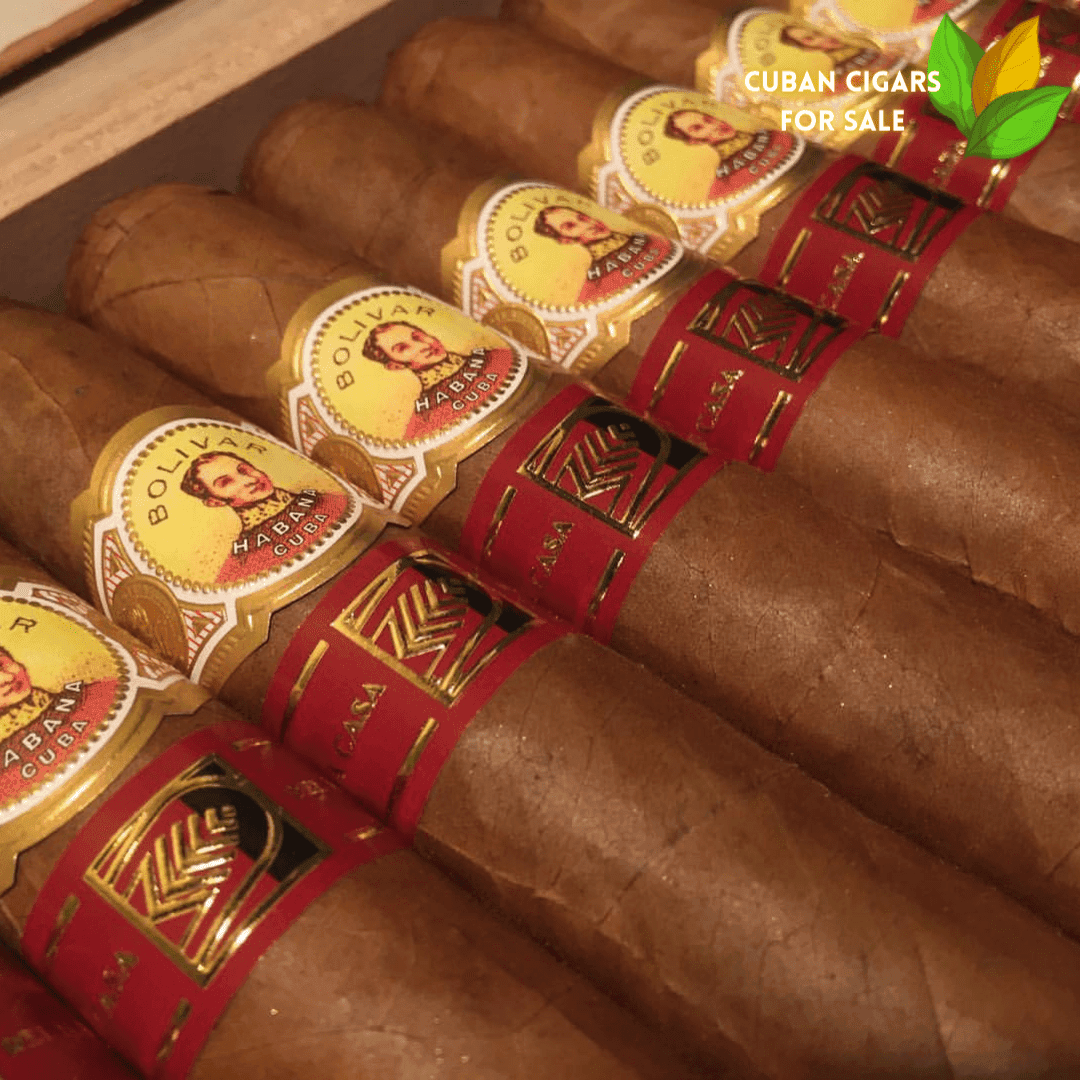
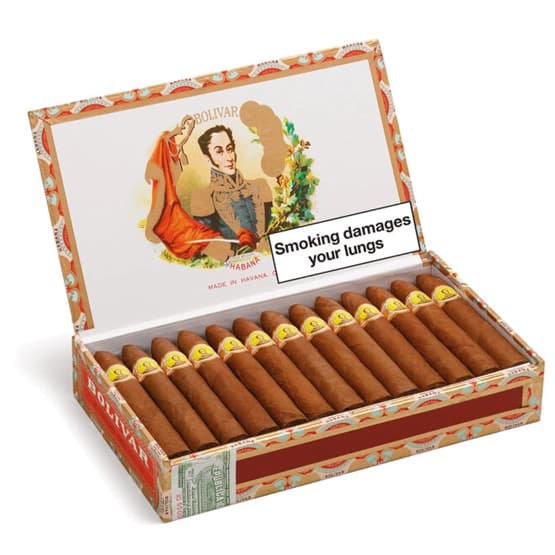
Each cigar was entirely handmade using traditional Cuban techniques, with skilled torcedors carefully rolling the filler and binder tobaccos within a wrapper leaf selected for its texture and combustion properties. The bands featured the standard Bolívar branding, adorned with the iconic lion emblem that has represented strength and prestige for generations. Distribution occurred in dress boxes containing twenty-five cigars each, packaged in the classic style that collectors have come to associate with vintage Cuban releases.
The Lancero Experience
What distinguished the Palmas from other Bolívar offerings was its embodiment of the lancero style—a format that prioritizes elegance and intensity over bulk and boldness. The slim 33 ring gauge creates a distinctly focused draw, concentrating the flavors of the filler blend while maintaining a cooler burning temperature than thicker vitolas might achieve.
Smokers who were fortunate enough to experience the Palmas during its production years often described it as delivering the signature Bolívar character in a more refined presentation. The brand has long been associated with powerful, earthy, and full-bodied smoke, and this format channeled those characteristics through a more delicate medium. The higher wrapper-to-filler ratio inherent in slender cigars like this one allows the wrapper's nuance to play a more prominent role in the overall flavor development, creating a smoking experience that rewarded patience and attention.
Why Collectors Seek This Cigar
Today, the Palmas commands attention in auction houses and specialty tobacconists, with prices reflecting its scarcity and historical significance. Well-preserved examples from the pre-revolutionary and early post-revolutionary periods are particularly prized, serving as important documents of Cuban cigar manufacturing history during a transformative time.
The disappearance of this vitola exemplifies a broader industry trend toward heavier ring gauges that began in the 1980s and accelerated in subsequent decades. As consumer preferences shifted toward maduro wrappers and thicker, more robusto-style formats, many traditional lancero vitolas were quietly retired from production lines. The Palmas stands as a reminder of this transition, representing a time when elongated, slender cigars were considered essential offerings in any respected marca's portfolio.
For serious collectors, acquiring a box of original Palmas represents not merely a smoking opportunity but an investment in preserving a piece of Cuban tobacco legacy. Each well-maintained specimen carries within it the craftsmanship, tobacco blends, and manufacturing traditions of an era that has now passed into history.