For those who spend countless hours scouring humididores and auction catalogs, the pursuit of a truly legendary Habano can feel like a quest for a hidden treasure. Among the many vitolas that have slipped out of production, one name repeatedly surfaces in whispered conversations at cigar lounges: the Bolívar Especiales (2). This slender, hand‑crafted smoke has become a grail for collectors, a symbol of an era when Cuban factories experimented with boutique sizes and limited runs. Its story is a blend of precise engineering, market mystery, and the inexorable pull of rarity.

The Birth of a Legend: Historical Roots
When the first boxes of the Especiales (2) rolled out of the Delicados factory in 1980, they arrived without fanfare. Unlike flagship releases that were heavily marketed, this vitola seemed to emerge from a private commission or a special trial run. The timing coincided with a period of creative exploration within Cuba’s cigar industry, where manufacturers tested smaller gauges to cater to a niche audience that prized a more concentrated smoking experience. Though it never entered the brand’s permanent catalog, the Especiales (2) quickly earned a reputation among seasoned smokers for its intense, full‑bodied flavor profile—a hallmark of the Bolívar name.
Over the decades, the passage of more than forty years has transformed this once‑ordinary stick into an almost mythic artifact. The uncertainty surrounding its original purpose—whether it was a limited promotion, a bespoke order for a select clientele, or simply an experimental batch—adds an aura of intrigue that collectors find irresistible.
Technical Profile: Dimensions and Craftsmanship
Despite its elusive status, the Especiales (2) follows a well‑defined technical specification that reflects the meticulous standards of Cuban hand‑made cigars:
- Factory designation: Delicados
- Ring gauge: 38 – a slender profile that encourages a slower, more nuanced burn
- Length: 192 mm (approximately 7½ inches)
- Weight: 10.29 g – a modest mass that underscores its delicate construction
- Construction: Entirely hand‑crafted, ensuring the nuanced draw that connoisseurs expect from a premium Habano
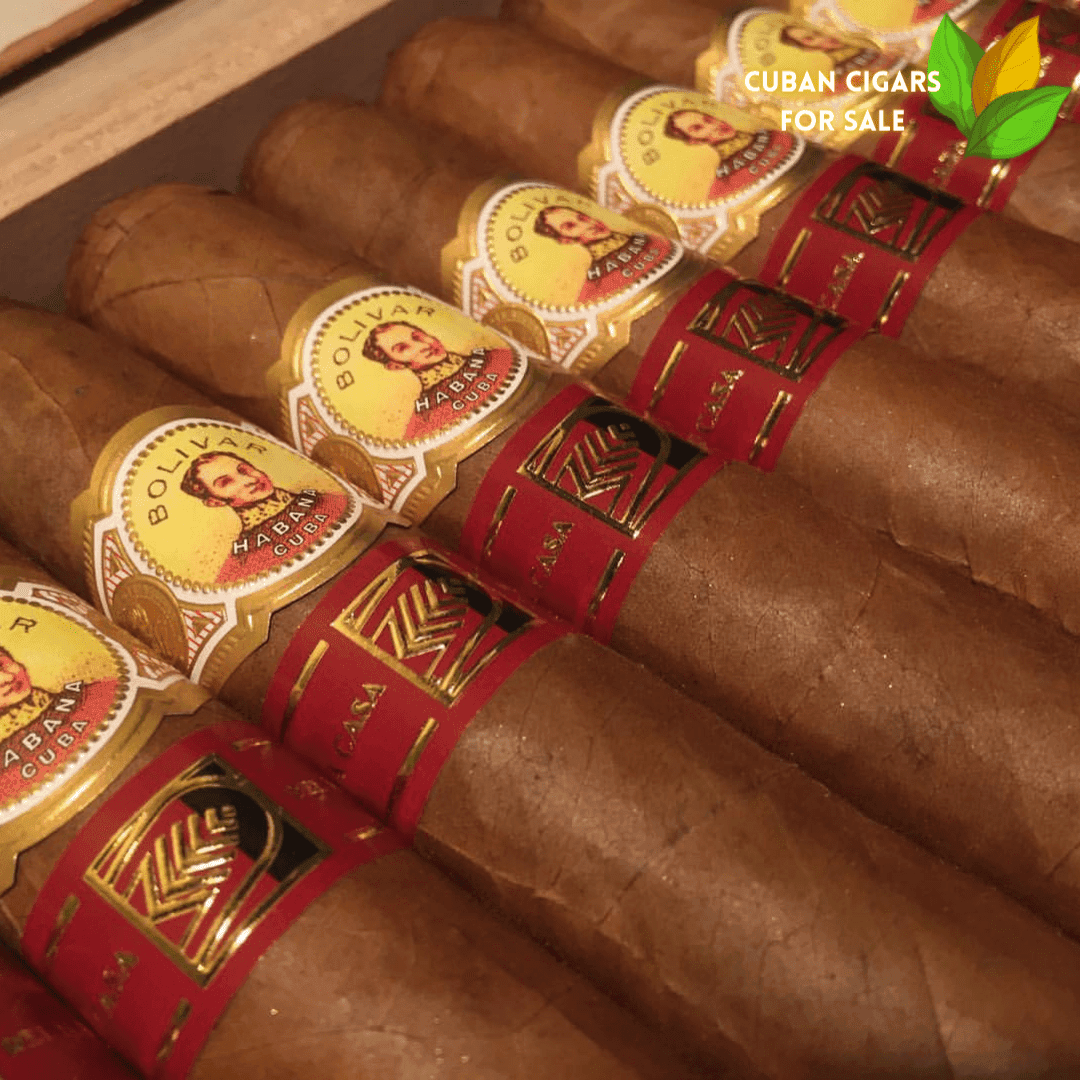
The cigar is finished with the classic A‑style Bolívar band, a visual cue that instantly identifies it as part of the storied brand lineage. The combination of its narrow diameter and extended length produces a concentrated smoke path, allowing the intricate layers of Cuban tobacco to unfold gradually.
Packaging: A Nod to an Era
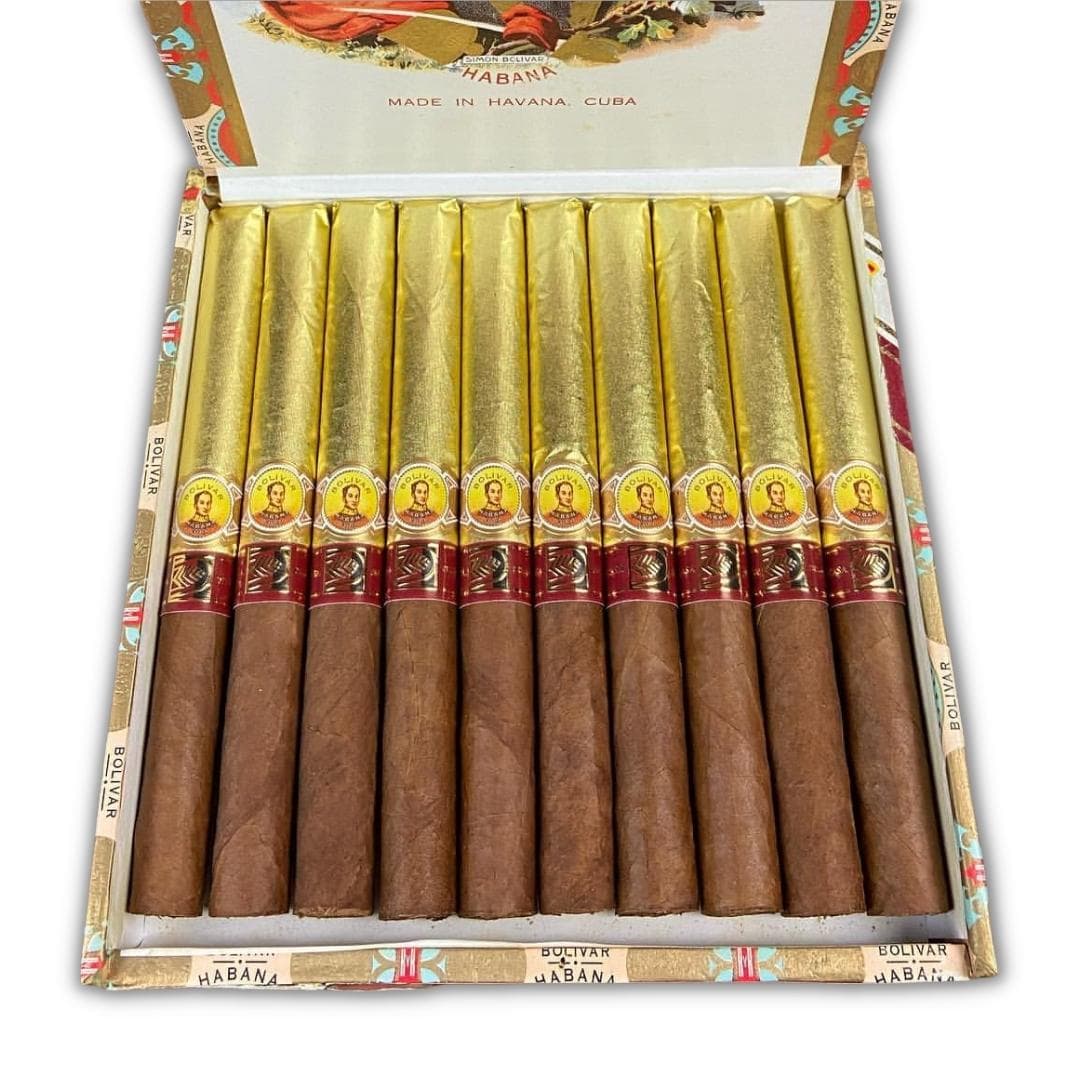
Packaging can often tell as much about a cigar’s history as its blend. The Especiales (2) was presented in dress boxes that each housed 50 cigars. Inside the box, the cigars were grouped into compact aluminium foil bundles, a method favored in the early 1980s to protect the delicate fillers from humidity fluctuations during transit and storage. This foil wrap not only preserved freshness but also contributed to the cigar’s unique character by maintaining a stable microclimate within the box.
The visual presentation reflected the understated elegance of the period: plain, sturdy cardboard with a simple label, offset by the gleaming foil and the distinctive band. For collectors, the packaging itself is a piece of the cigar’s narrative, offering a tangible link to the production practices of the era.
The Collector’s Quest: Rarity, Verification, and Legacy
Finding an authentic Especiales (2) today is a formidable challenge. Decades after its brief appearance, the cigar’s limited output means that only a handful of specimens survive in private collections or carefully curated humidors. Enthusiasts often spend years, sometimes a lifetime, searching for a pristine example, and even then, the hunt can prove fruitless.
When a specimen does surface, proper authentication becomes paramount. The vintage Habanos market has seen an uptick in counterfeits, and the desirability of the Especiales (2) makes it a prime target for fraudsters. Experts recommend verifying band authenticity, examining the foil wrap’s seam, and confirming the weight and dimensions align with original specifications. Engaging reputable dealers or seeking provenance from well‑documented estates can mitigate the risk of acquiring a replica.
Owning an Especiales (2) is more than a matter of bragging rights; it represents an investment in a bygone chapter of Cuban cigar history. For those assembling a comprehensive Bolívar collection, this vitola serves as both a crowning jewel and a reminder of the brand’s capacity for intrigue and exclusivity. Its scarcity ensures that each encounter feels like a fleeting glimpse of a lost masterpiece.