Within the vast and storied landscape of Cuban tobacco, certain vitolas stand out not just for their flavor, but for what they represent regarding the evolution of the industry. The Bolívar Especiales (1) is one such artifact—a cigar that encapsulates a specific, transformative epoch in Havana's history. While the modern cigar market is almost exclusively dominated by hand-rolled premiums, this particular offering hails from a time when machine-made cigars held a prestigious spot in a brand’s catalog. For the serious collector or the historian, this vitola serves as a tangible link to the mid-20th century, a "Golden Era" defined by both pre-Revolution prosperity and the subsequent restructuring of the Cuban tobacco industry.

A Witness to History: The Timeline of the Especiales (1)
The origins of the Especiales (1) trace back to a period before 1960, placing its birth in the bustling, export-heavy years prior to the Cuban Revolution. This launch timing is significant, as it predates the nationalization of the industry, suggesting the vitola was conceived during the height of private enterprise in Cuban tobacco. However, its lifespan was not cut short by the political upheavals of the early 1960s. Instead, the Especiales (1) demonstrated remarkable resilience, continuing to roll off production lines well into the revolutionary period.
It was not until the mid-1970s that this specific format was finally retired. The decision to discontinue the line likely mirrored a global shift in consumer behavior. As the international market for Cuban cigars matured, particularly in Europe, connoisseurs began to demand the artisanal quality of hand-rolled cigars (totalmente a mano). Consequently, the industry began phasing out machine-made vitolas from its primary export brands, pushing the Especiales (1) into obsolescence and, eventually, into the realm of collectible rarities.
Industrial Craftsmanship: Machine-Made Precision
One of the most defining characteristics of the Bolívar Especiales (1) is its construction. Unlike the handcrafted masterpieces that dominate the Bolívar portfolio today, this cigar was produced via machine. In the mid-20th century, this method was not seen as a shortcut but as a viable way to ensure consistency and affordability for a broader market segment. Machine-made cigars from this era allowed manufacturers to utilize high-quality tobacco leaves while maintaining strict quality control standards that machines excelled at.
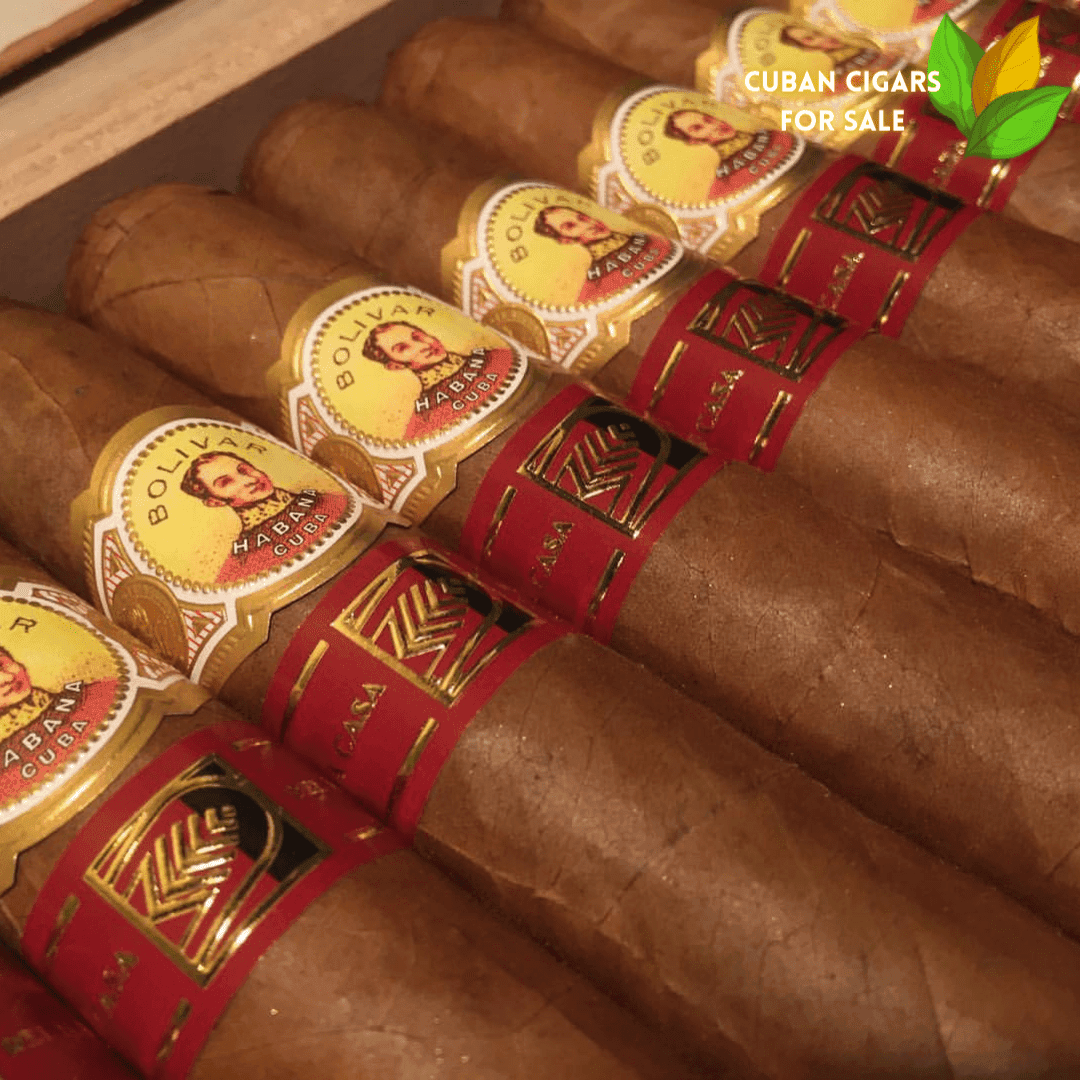
Today, the distinction is vital for collectors. A machine-made cigar from the 1960s or 70s offers a different structural integrity and draw profile compared to a hand-rolled counterpart. Despite the mechanical production, the cigar did not skimp on branding. It featured the "Standard Band A," the iconic Bolívar labeling that signals the brand’s heavy, full-flavored heritage. This visual consistency ensured that even a machine-made product sat comfortably alongside its handmade siblings on the tobacconist’s shelf.
Technical Specifications
The physical dimensions of the Especiales (1) reveal a classic format that has largely fallen out of fashion in the modern era of thicker ring gauges. The technical details are as follows:
- Dimensions: Measuring 125 mm (approximately 4 7/8 inches) in length with a ring gauge of 39, this was a slender, elegant smoke.
- Weight: The official weight was recorded at 6.21 grams.
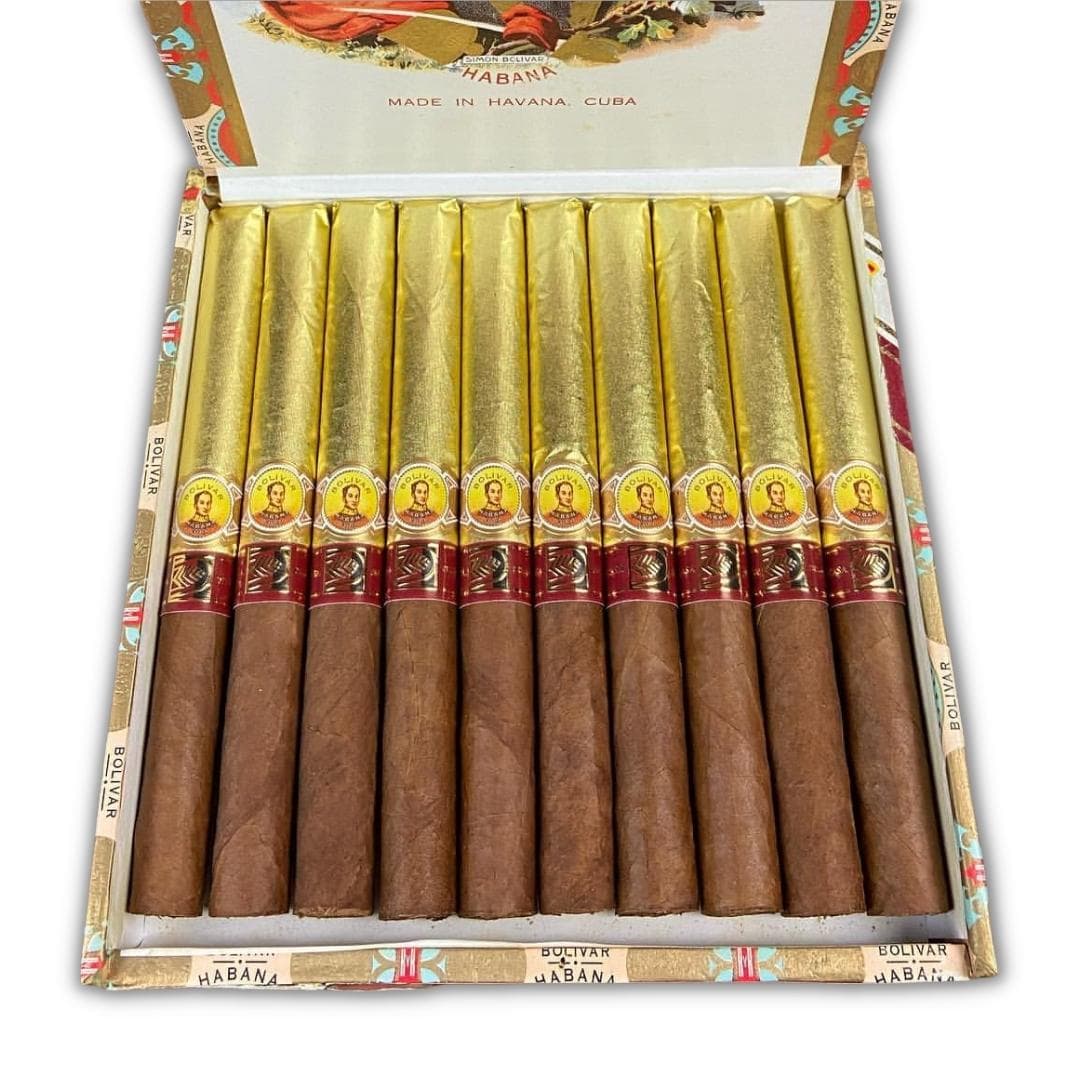
- Presentation: The cigar was packaged in traditional dress boxes containing 25 units, a presentation style that emphasized elegance.
- Status: Discontinued regular production.
Presentation and Modern Collectibility
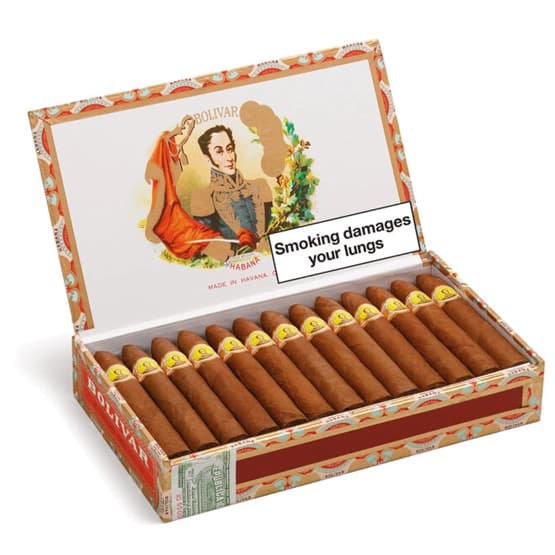
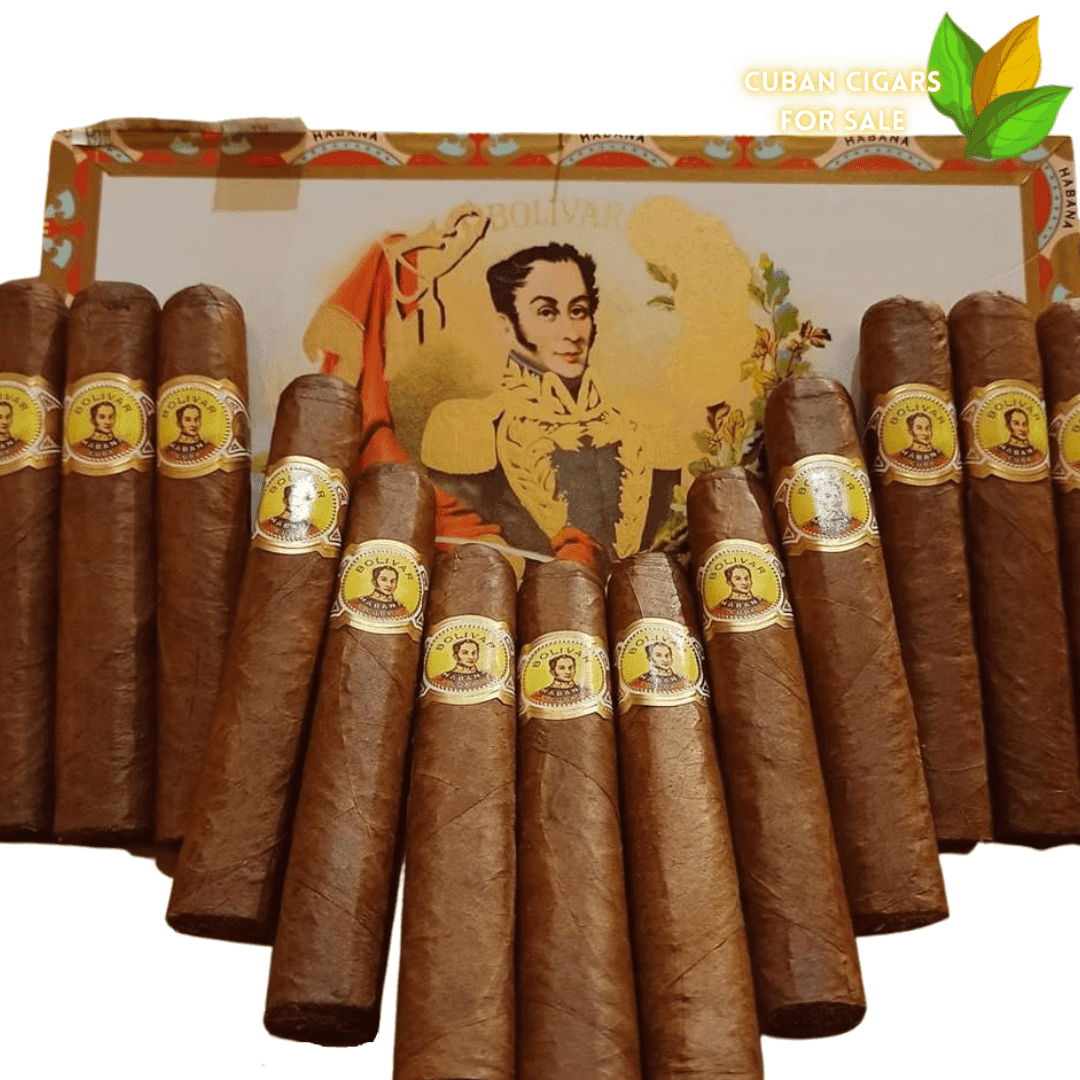
The packaging of the Bolívar Especiales (1) was designed to reflect the premium status of the brand, despite its machine-made origin. Housed in a "dress box" of 25 cigars, the presentation was intended to be visually appealing and protective. For the modern collector, finding one of these boxes in good condition is a significant coup. The boxes themselves, often adorned with the classic Bolívar livery featuring the portrait of Simón Bolívar, are sought-after pieces of memorabilia.
The collectibility of the Especiales (1) is driven by its scarcity and its status as a "time capsule" product. Because it bridges the gap between the pre-embargo private industry and the post-Revolution state-run enterprise, it offers a unique study in tobacco blending and industrial adaptation. The mid-1970s discontinuation date means that any surviving examples are now decades old, offering a glimpse into the flavor profiles and combustion characteristics of a bygone Havana. For those looking to own a piece of Cuban industrial history, the Especiales (1) remains a fascinating, if obscure, trophy.