In the rarefied air of Cuban cigar collecting, where handmade masterpieces often command the highest attention, there exists a fascinating subset of vitolas produced not by the skilled hands of a torcedor, but by the precision of machinery. The Bolívar Coronas Largas stands as a prime example of this bygone industrial era. While the modern cigar market is dominated by a pursuit of artisanal perfection, this specific format serves as a historical marker, reminding enthusiasts of a time when Cuba’s tobacco industry was navigating a profound transformation. It is a cigar that tells a story of adaptation, standardization, and the shifting tastes of the mid-20th century smoker.

A Product of a Transformative Era
The timeline of the Bolívar Coronas Largas is inextricably linked to one of the most turbulent periods in Cuban history. The vitola was introduced to the market prior to the seismic shifts of 1959, establishing its presence while the island was still under different economic and social circumstances. However, its most significant years came in the decades following the revolution. As the Cuban cigar industry moved from private ownership into state-controlled entities, the landscape of production changed dramatically.
This particular cigar maintained its place in the regular production lineup for roughly fifteen to twenty years following the nationalization of the industry. Its lifespan bridges the gap between the old-world traditions of pre-revolution Cuba and the standardized export models of the early socialist era. Ultimately, the Coronas Largas was phased out during the mid-1970s, a period when Habanos began to streamline its offerings and reevaluate which vitolas best suited the evolving international market. Its disappearance marked the end of a specific chapter for the Bolívar brand, making room for the hand-rolled heavyweights that would define the marque in later decades.
Technical Specifications and Industrial Craft
One of the most defining characteristics of the Bolívar Coronas Largas is its construction. Unlike the premium handmade cigars that dominate the Bolívar portfolio today, this vitola was manufactured using machine-made processes. During the mid-20th century, mechanized production was a common and accepted method for creating cigars that were consistent in draw and burn, often offered at a more accessible price point than their hand-rolled counterparts. This method allowed manufacturers to maintain high volume output during a time when raw materials and labor were in flux.
The physical attributes of the cigar reflect the preferences of its time, favoring a longer, slender profile that has become somewhat of a rarity in the contemporary market. The name "Coronas Largas" translates to "Long Coronas," an apt description for a format that extends the traditional corona dimensions.
- Vitola Name: Coronas Largas
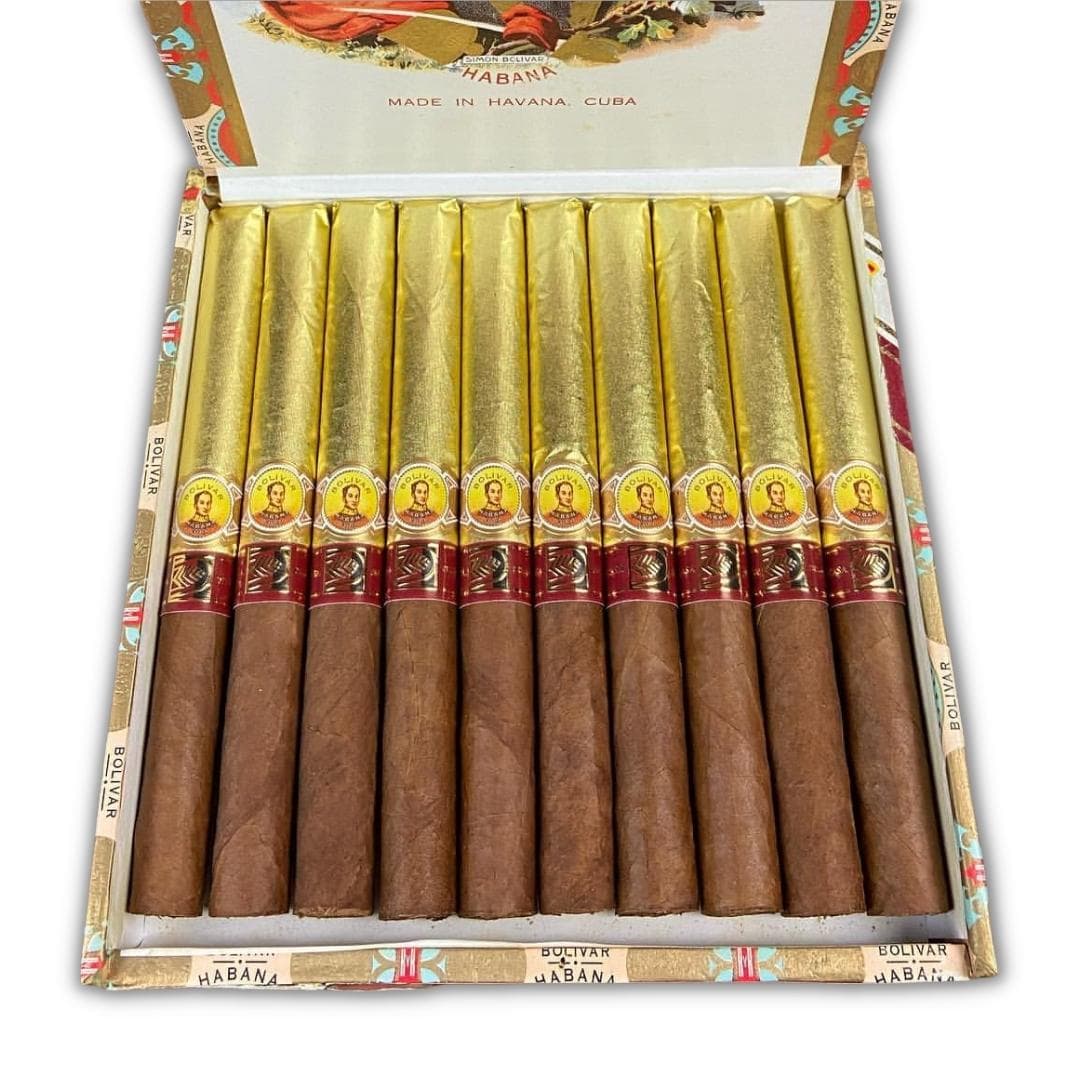
- Measurements: The cigar measures 160 mm (approximately 6 ¼ inches) in length with a ring gauge of 39.
- Weight: Officially listed at 8.33 grams.
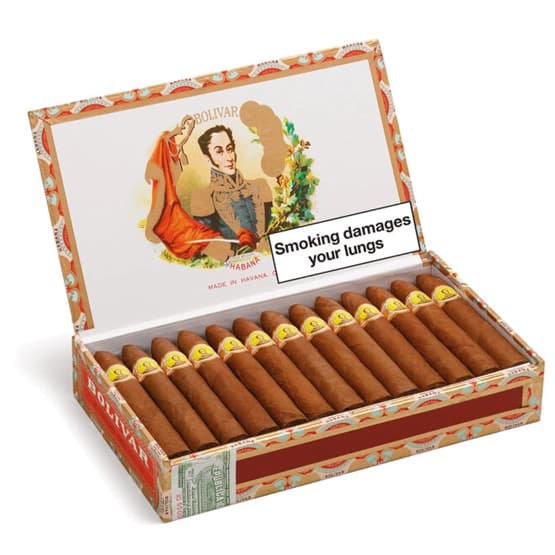
- Presentation: The cigars were sold in dress boxes of 25, adhering to the classic aesthetic presentation valued by collectors.
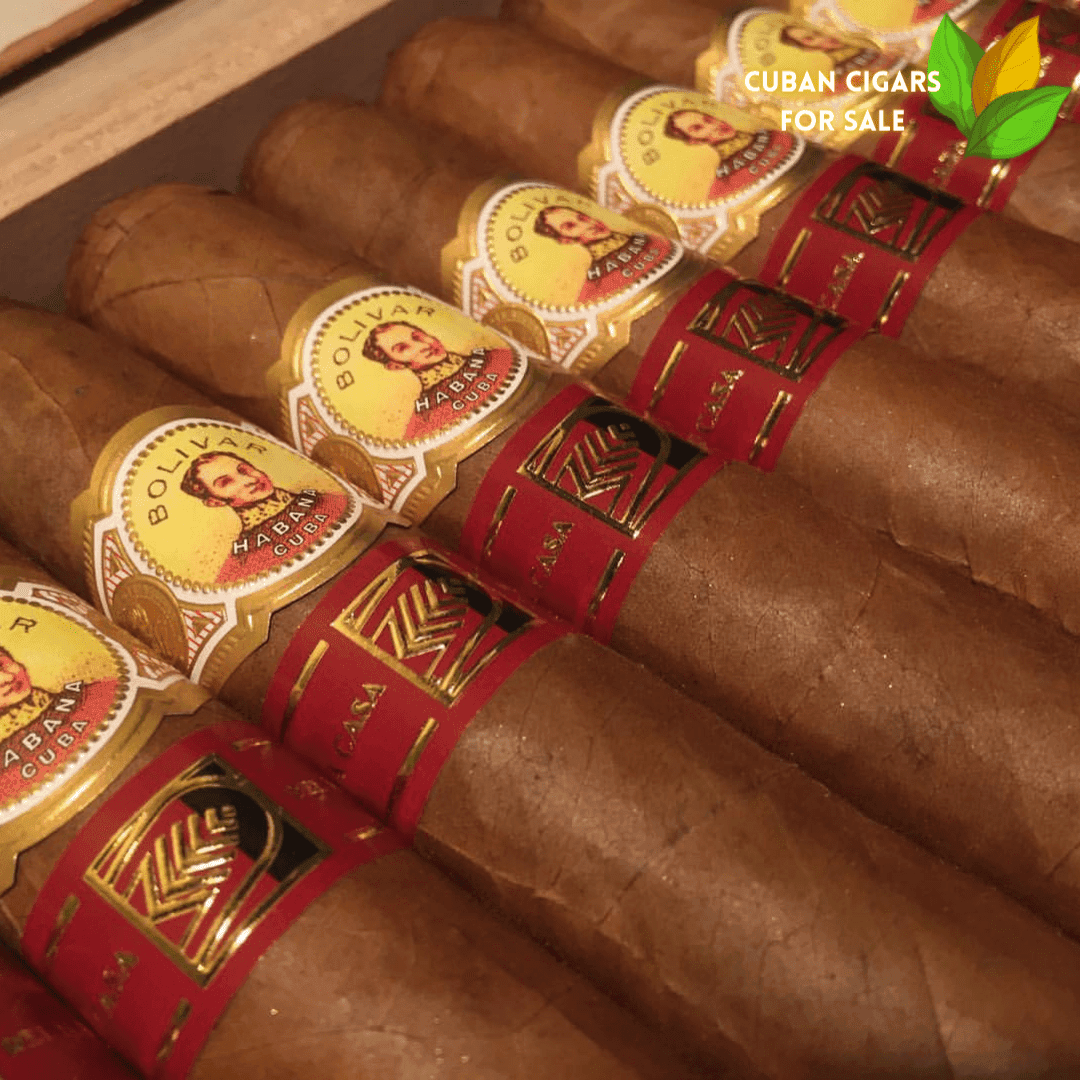
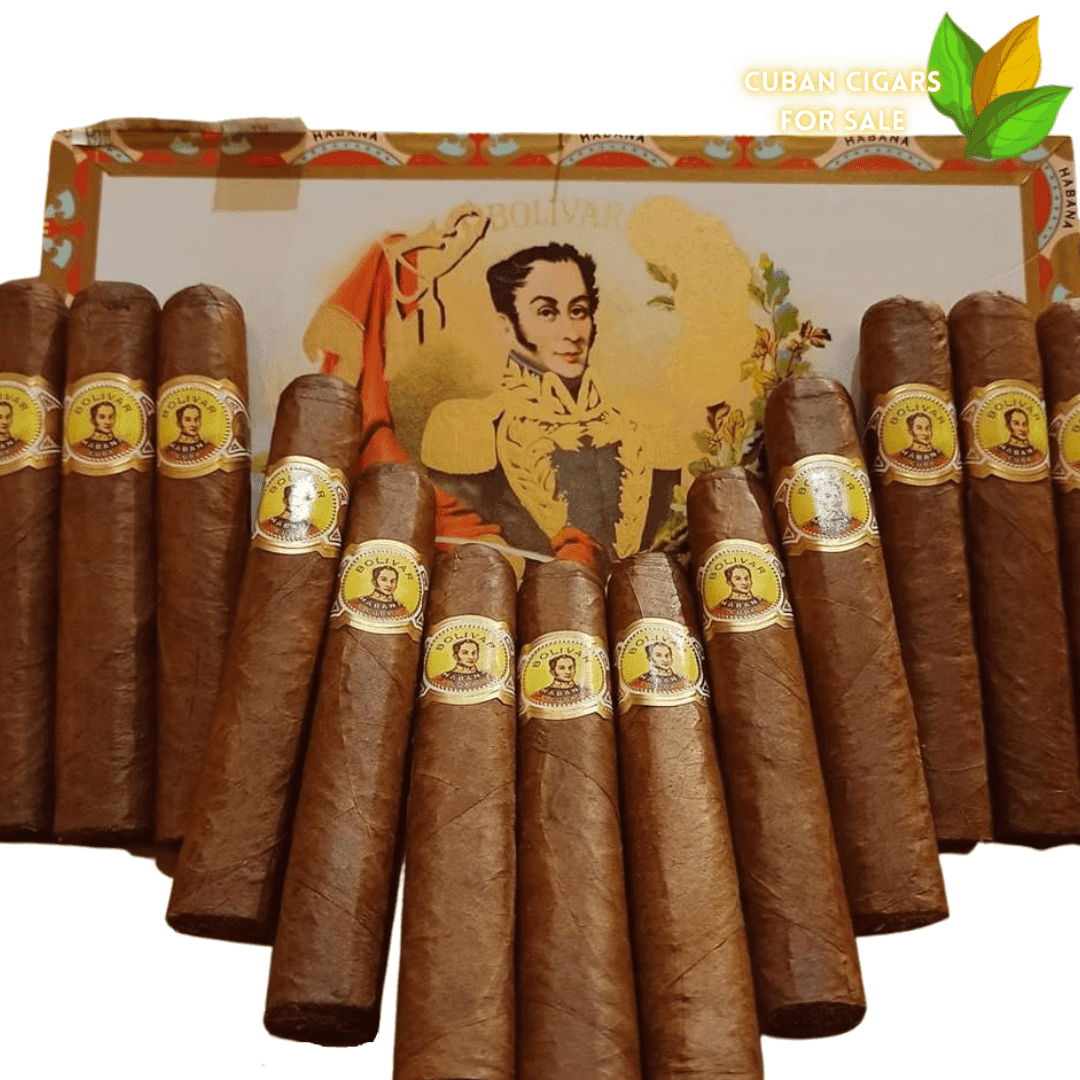
- Branding: Each unit featured the standard Bolívar "Band A," the iconic labeling associated with the brand’s rich, full-bodied heritage.
The Legacy of a Discontinued Vitola
Today, the Bolívar Coronas Largas exists primarily as a subject of study for historians and a "wish list" item for serious collectors. Because production ceased decades ago, finding a well-preserved box is a challenge that offers a tangible connection to the past. The cigar represents a manufacturing philosophy that has largely been abandoned by the premium sector of the Cuban industry. While machine-made cigars still exist, they rarely carry the historical weight or the specific branding of a major export marque like Bolívar during that transitional era.
For students of tobacco history, this vitola offers critical insight into the breadth of the Bolívar portfolio. It demonstrates that the brand was not always exclusively the domain of powerful, hand-rolled robustos; it once catered to a broader demographic through mechanized production. The thin ring gauge and machine construction provide a smoking experience that differs markedly from the modern perception of the brand, offering a glimpse into the diverse approaches to flavor and construction employed by Cuban factories over forty years ago. As a discontinued artifact, the Coronas Largas remains a silent witness to the evolution of Habanos, capturing a specific moment in time before the industry fully pivoted toward the artisanal luxury goods market we recognize today.