In the ever-evolving landscape of premium tobacco, few things capture the imagination of collectors quite like a discontinued vitola. For enthusiasts of Cuban cigars, the absence of a beloved format creates a distinct sense of longing, transforming a simple smoke into a piece of history. The Bolívar Champions stands as a prime example of this phenomenon. While the Bolívar brand is synonymous today with powerful, hand-rolled robustos and imposing double coronas, this particular offering once served a different purpose entirely. It was a staple of the regular lineup for decades, offering a unique blend of accessibility and the brand’s signature intensity before eventually fading into memory.

A Heritage Rooted in the Pre-Revolution Era
The history of the Champions stretches back much further than many modern smokers might realize. Its origins are firmly planted in the pre-1960 era, a time often romanticized as the golden age of Cuban tobacco. This lineage meant that the cigar carried a sense of gravitas; it was not a fleeting special release, but a long-standing pillar of the brand’s portfolio. For over forty years, this specific vitola maintained its place in the catalog, surviving the tumultuous changes of the Cuban industry and the nationalization of the sector.
However, all good things must come to an end. The year 2002 marked a significant turning point for the Champions, as Habanos S.A. made the decision to cease production. The discontinuation was part of a broader strategy during that period to streamline offerings and reshape the portfolio of various brands. Consequently, the Champions transitioned from being a readily available, everyday option to a sought-after relic. Its departure from the market left a void for those who appreciated its specific dimensions and construction, cementing its status as a "discontinued classic" in the eyes of historians and collectors.
Technical Specifications and Construction
One of the most defining characteristics of the Bolívar Champions was its method of construction. In an era where premium status is almost exclusively tied to hand-rolled craftsmanship, the Champions was distinctively machine-made. This classification might raise eyebrows among purists, but it served a vital role in the brand’s ecosystem. By utilizing machine production, the manufacturer could ensure a level of consistency and price accessibility that hand-rolling sometimes precludes. It allowed smokers to experience the bold Bolívar flavor profile without the premium price tag associated with the brand's handmade flagships.
In terms of physical dimensions, the cigar adhered to a classic format known in the factory as the "Cremas." It measured 140 mm (approximately 5½ inches) in length with a slender ring gauge of 40. This created a long, elegant silhouette that is somewhat rare in modern trends, which have shifted heavily toward thicker gauges. The official weight was recorded at 8.11 grams, a testament to the density of the tobacco used despite the machine-rolled format.
Detailed Breakdown
- Vitola Name: Champions
- Factory Name: Cremas
- Dimensions: 140 mm x 40 ring gauge
- Construction: Machine-made
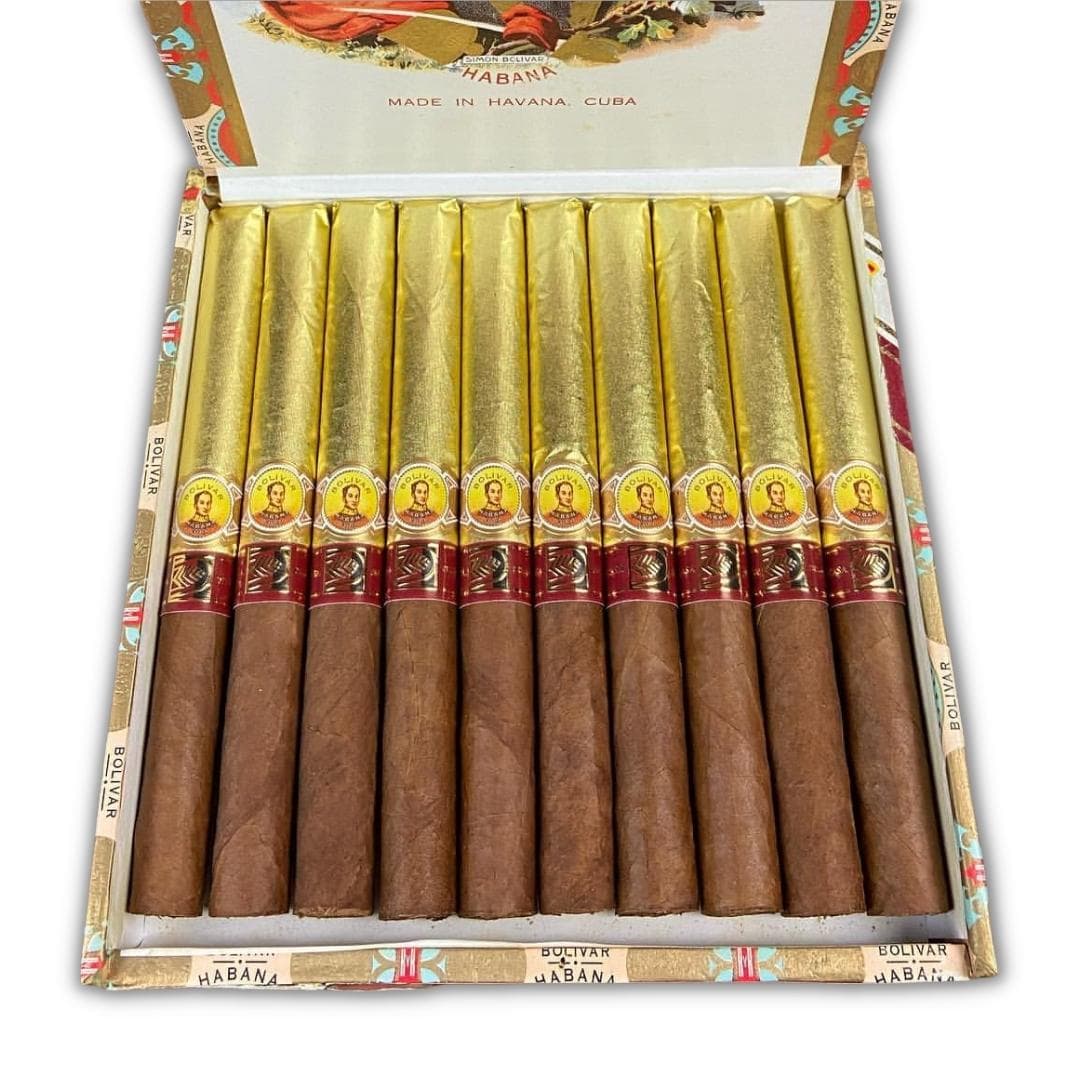
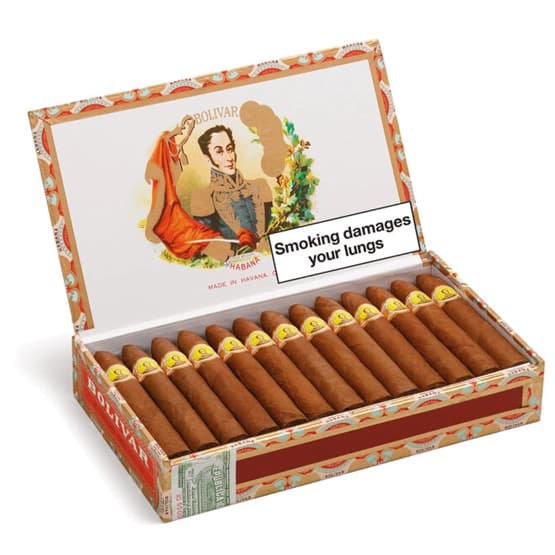
- Packaging: Standard dress boxes containing 25 cigars, often presented with cellophane wrapping.
The Smoking Experience and Flavor Profile
Despite being machine-made, the Champions was expected to deliver the quintessential Bolívar experience. The brand is named after the Venezuelan military leader Simón Bolívar, often referred to as "El Libertador," and its tobacco is historically known for being robust, full-bodied, and unapologetically strong. The Champions was designed to embody this spirit in a format that was approachable for various occasions. The combination of a 40 ring gauge and a length of nearly five and a half inches provided a smoking duration that was substantial enough to satisfy yet convenient enough for a shorter interlude.
Aficionados often noted that while the draw and burn were aided by the precision of machine construction, the flavor retained the earthy, leathery, and spicy notes typical of the Bolívar blend. It served as an accessible entry point for new smokers looking to understand the brand's character, while simultaneously acting as a reliable, no-fuss option for seasoned veterans who wanted a consistent smoke without the variability inherent in some handmade cigars.
The Collector's Afterlife
Since production halted in 2002, the Bolívar Champions has moved from the humidor of the casual smoker to the inventory of the serious collector. Finding a well-preserved box today requires patience and a bit of luck. The standard dress boxes of 25, particularly those with cellophane wrapping, are now viewed as artifacts of a different time in Cuban cigar manufacturing. They represent an era when machine-made cigars played a more prominent role in the regular production of major brands.
For those lucky enough to encounter aged Champions, the experience offers a window into the past. The decades-long presence in the Bolívar catalog speaks to the enduring appeal of the format. While the brand has moved on to focus on prestigious hand-rolled icons like the Belicosos Finos and the Royal Coronas, the Champions remains a point of interest. It serves as a reminder that value and quality can exist outside the realm of handmade perfection, and that sometimes, the most interesting stories in the cigar world belong to the cigars that are no longer with us.