For the discerning aficionado, few things evoke a sense of loss quite like the discontinuation of a beloved vitola. When production ceased on the Bolívar Bonitas in 2009, the cigar world bid farewell to a landmark of Cuban heritage. This wasn't merely a product removed from a catalog; it was the conclusion of a narrative that began long before the Cuban Revolution, spanning nearly half a century of tumultuous history and changing tastes. As a creation born before 1960, the Bonitas served as a bridge between the golden age of privately owned cigar manufacturers and the modern era of state-run tobacco production, leaving behind a legacy that continues to captivate collectors.

A Survivor from the Golden Age
The origins of the Bonitas trace back to an era when Cuba was a playground for the wealthy and the tobacco industry was dominated by privately held marques. Introduced prior to 1960, this cigar predates the nationalization of the industry, giving it a pedigree that modern releases simply cannot replicate. Its survival through the transition to a state-run economy is a testament to its enduring popularity. While many brands and sizes fell by the wayside during the upheaval of the 1960s, the Bolívar Bonitas endured, maintaining its place in the regular portfolio for decades. This longevity suggests that the blend found a permanent home in the humidors of traditionalists who valued consistency over passing fads.
The decision to discontinue the line after such a long run marked a significant shift in the market. It signaled a move away from some of the more slender, classic formats in favor of the thicker ring gauges that have dominated the global market in the 21st century. For the traditional smoker, the loss of the Bonitas was a blow to the history of the brand, representing the end of a direct link to the pre-revolutionary standard of manufacturing.
The Elegant Londres Format
In an age where cigar trends often drift toward massive ring gauges and imposing lengths, the Bonitas stood as a pillar of classical elegance. Classified as a Londres, the vitola measures a slender 126 millimeters (approximately 5 inches) with a ring gauge of 40. This format offers a distinct smoking experience compared to modern robustos or gordos. The dimensions provide a moderate smoking time, allowing the smoker to enjoy a quick yet satisfying session without the commitment required by larger formats.
Technically, the cigar was constructed to the exacting standards of the era, weighing in at 7.29 grams. The Londres shape is often praised for its ability to concentrate flavor. By utilizing a thinner ring gauge, the ratio of wrapper leaf to filler is increased. Since the wrapper is often the most flavorful component of a Cuban cigar, this format allows the smoker to experience the full nuance of the tobacco. For fans of the Bolívar brand, known for its full-bodied and robust character, the Bonitas offered a way to enjoy that signature intensity in a package that was refined rather than overwhelming.
Visual Identity and Presentation
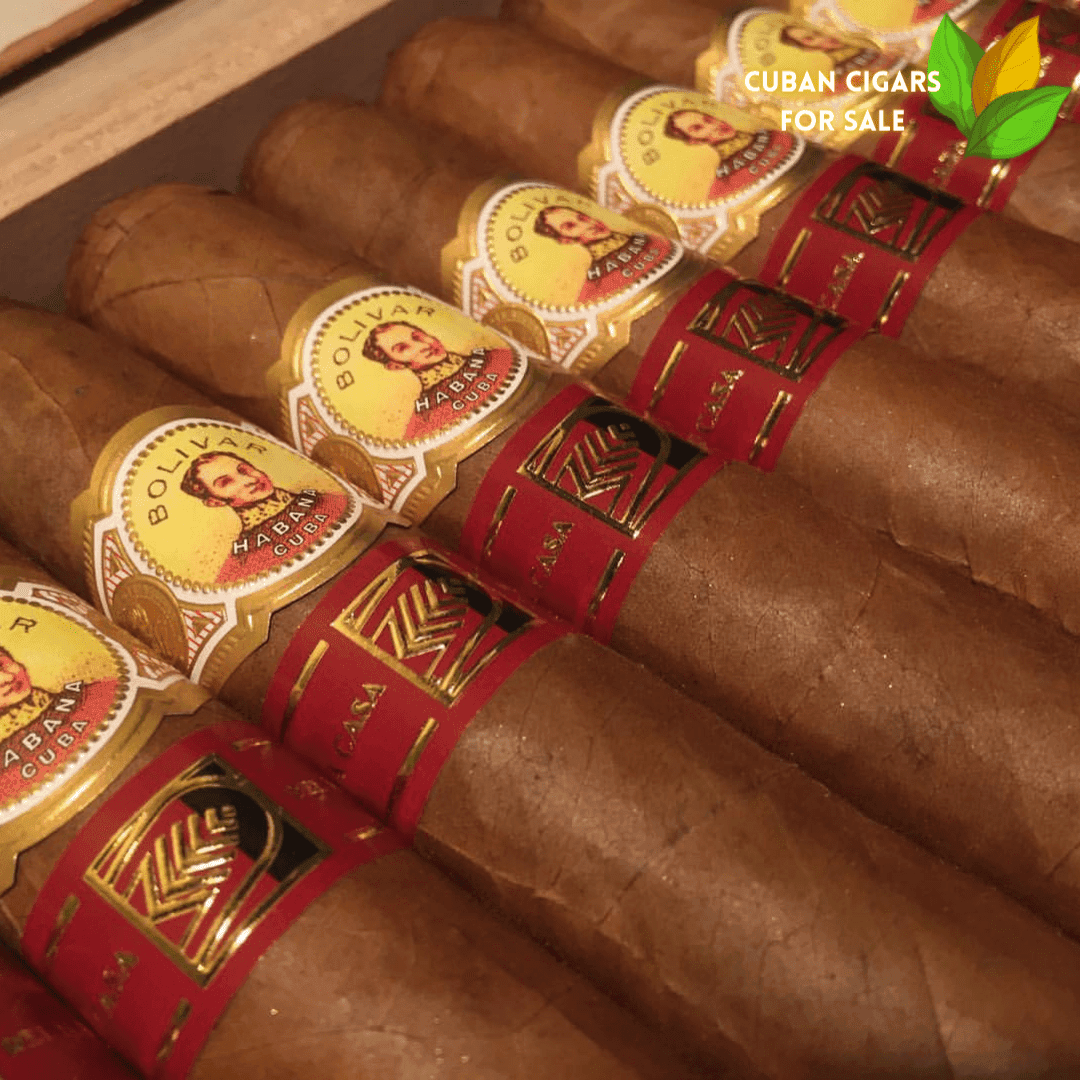
The aesthetic presentation of the Bolívar Bonitas adhered to the marque's storied and aggressive visual identity. Unlike some modern releases that experiment with minimalist designs, this cigar featured the standard dual-band configuration that collectors recognize instantly. The presence of both the A and B bands on the cigar signals its status as a regular production line release, yet the double bands add a layer of visual prestige and brand authority.
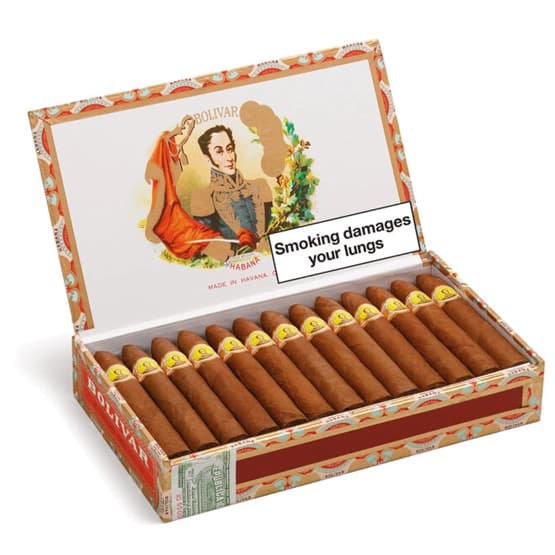
The cigars were housed in traditional dress boxes, containing 25 units. This method of packaging is favored by collectors for its ability to age cigars gracefully. The box presentation allowed the cigars to "marry" over time, a process where the flavors of the different leaves harmonize, often resulting in a smoother, more complex smoke after years of resting in the box.
The Millennium Humidor Connection
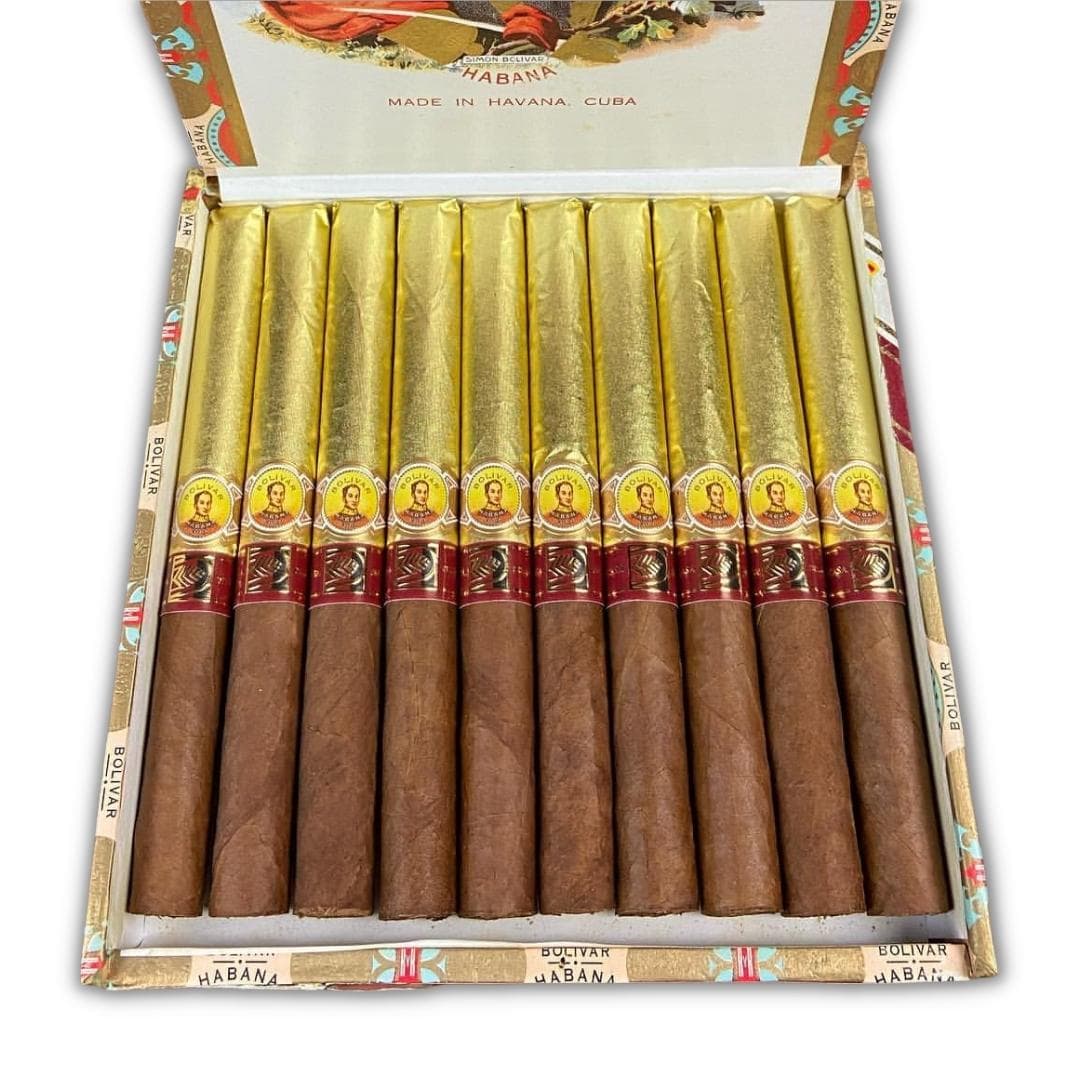
While the Bonitas was a staple of regular production, it also achieved a moment of high prestige during the turn of the millennium. The vitola was selected for inclusion in the prestigious Bolívar Siglo XXI Millennium Humidor. This special edition release was designed to commemorate the year 2000 and showcased some of the brand's most celebrated formats in an ultra-premium presentation.
The inclusion of the Bonitas in such a rare and exclusive collection reinforced its status within the brand hierarchy. It proved that this slender Londres was not just a common smoke for casual consumption, but a vitola worthy of celebration and preservation. It stood shoulder-to-shoulder with other iconic shapes, cementing its reputation as a critical component of the Bolívar identity. Today, finding a box of these discontinued gems is a rare treat, offering a glimpse into a bygone era of Cuban cigar craftsmanship.