Among the pantheon of Cuban cigar marques, Bolívar has long been celebrated for its uncompromising strength and deep, earthy flavors. Yet within the brand’s extensive catalog lies a relatively obscure vitola that once embodied the very essence of pre‑revolutionary cigar making: the Bolivares. This short, slender smoke, bearing the name of South America’s famed liberator Simón Bolívar, has slipped from production but remains a quiet testament to a transformative era in Cuban tobacco history.

Pre‑Revolution Roots: The Birth of the Bolivares
Long before the 1959 revolution reshaped the island’s tobacco landscape, the Bolívar brand had already carved out a reputation for producing cigars that demanded respect from any smoker. The decision to introduce a new vitola called the Bolivares came at a time when Cuban factories were experimenting with a variety of sizes and strengths to cater to an increasingly discerning international clientele. By naming the cigar after Simón Bolívar, the brand not only invoked a sense of patriotic vigor but also aligned itself with the bold, revolutionary spirit that would later define the Cuban cigar industry. The vitola first appeared on the market before 1960, placing it squarely in the twilight of the pre‑revolutionary period, a time when classic, hand‑rolled cigars were still crafted under the watchful eyes of seasoned torcedors.
Technical Specifications: Dimensions and Composition
Despite its modest length, the Bolivares packed a punch that belied its compact stature. Below is a concise rundown of its key measurements and production details:
- Length: 126 mm (approximately 5 inches)
- Ring Gauge: 40
- Weight: 7.29 g
- Manufacturing Method: Entirely handmade, employing traditional Cuban rolling techniques
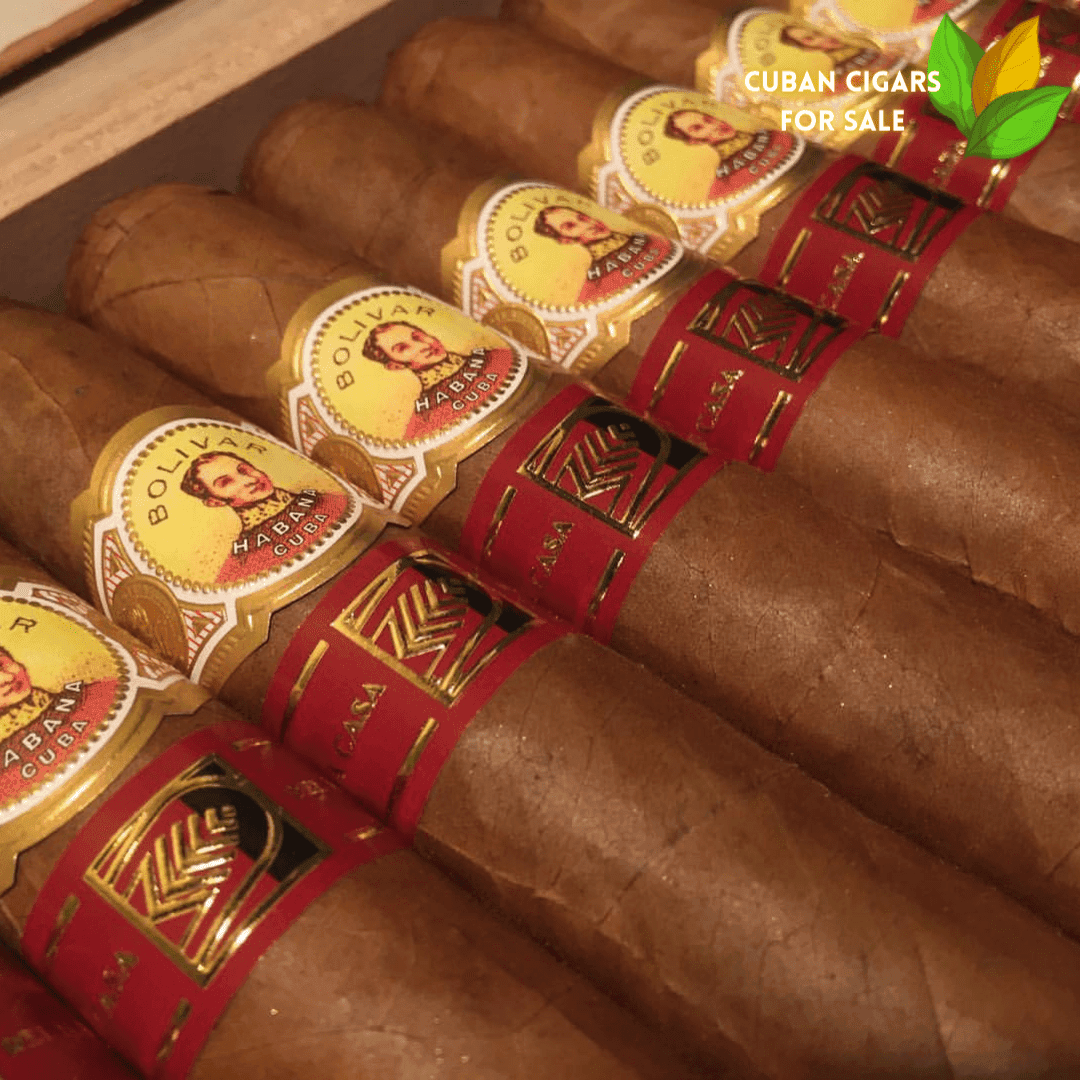
- Band Style: Classic “band A,” featuring the iconic Bolívar emblem
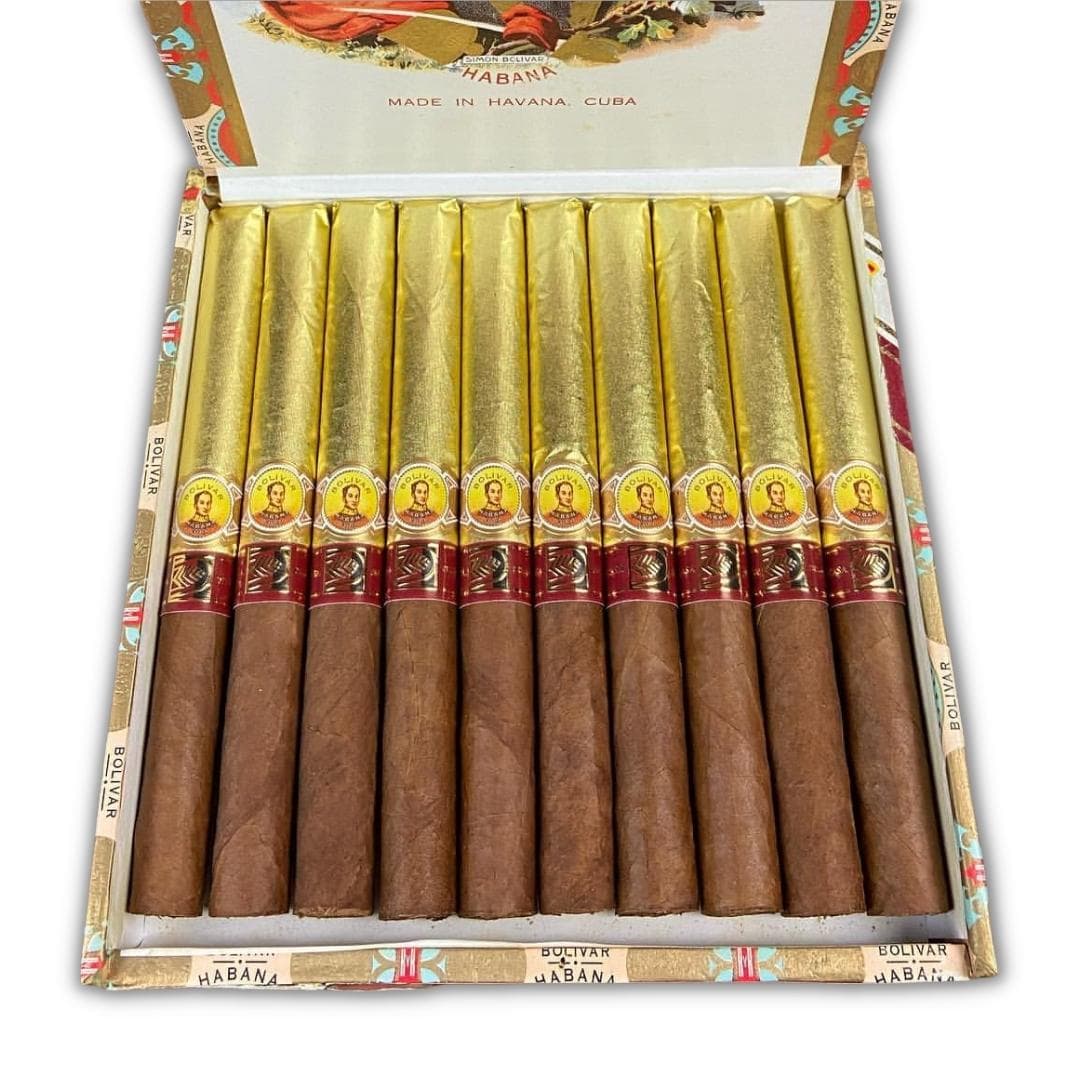
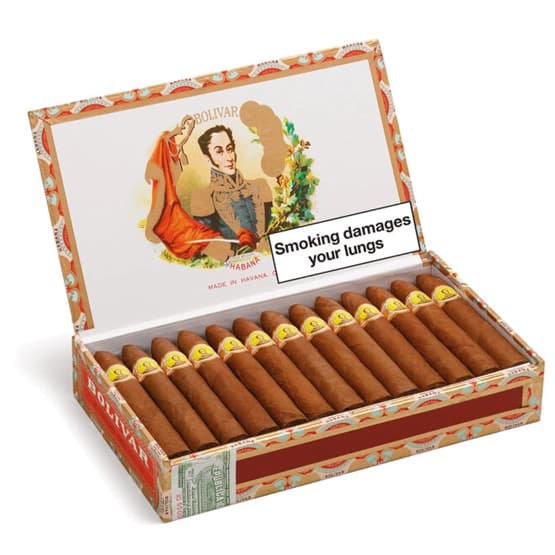
- Packaging: Presented in a dress box containing 25 cigars, a format that persists for many premium Cuban cigars today
The combination of a 40‑ring gauge and a 5‑inch length gave the Bolivares a relatively tight draw, encouraging a slow, contemplative smoking experience. Its weight, a modest 7.29 grams, meant that it burned evenly and delivered a concentrated flavor profile that appealed to seasoned enthusiasts.
Hand‑Crafted Excellence: Construction and Presentation
In an era when machines were still a novelty, every Bolivares was the product of meticulous handwork. Skilled rollers selected long‑filler leaves, often a blend of Cuban tobacco varieties, and wrapped them in a sun‑grown wrapper that contributed the cigar’s distinctive aroma. The use of a standard band—designated “band A”—served both as a visual identifier and a nod to the brand’s heritage. The cigars were then nestled in a dress box, a utilitarian yet elegant packaging style that protected the delicate sticks during transport and storage. This presentation not only preserved the cigar’s freshness but also added a layer of prestige that collectors came to expect from premium Cuban offerings.
Collectibility and the Brand’s Ongoing Story
When production of the Bolivares ceased in the mid‑1970s, it reflected a broader rationalization of Cuban cigar portfolios after the revolution. Factories were consolidating less popular vitolas, focusing resources on those that could sustain high demand in an increasingly regulated market. As a result, surviving examples of the Bolivares have become rare artefacts, sought after by connoisseurs who wish to taste a slice of pre‑revolutionary craftsmanship. A well‑preserved specimen can offer a nostalgic journey back to a time when the cigar industry was less globalized and more intimately tied to the rhythms of the island’s soil and climate.
While the Bolivares may no longer roll off the rollers of Habanos S.A., the Bolívar marque continues to thrive with a roster of other celebrated sizes—such as the Bolivar Corona, the Bolivar Petit Corona, and the Bolivar Belicoso Finos. These modern vitolas inherit the brand’s legacy of full‑bodied intensity, ensuring that the spirit of the original Bolivares lives on in the hands of today’s smokers. For collectors, the discontinued cigar stands as both a historical marker and a reminder of the ever‑evolving narrative of Cuban tobacco, a story written in smoke, soil, and the relentless pursuit of perfection.