For aficionados of Cuban tobacco, few events are as bittersweet as the discontinuation of a beloved vitola. In 2017, the industry bid farewell to one of its most enduring standards: the Bolívar Tubos No.1. This cigar was not merely a smoking accessory; it was a historical artifact that bridged the gap between the pre-revolutionary era and the modern age of Habanos. For nearly sixty years, this handmade Corona offered a distinct window into the storied past of the Bolívar brand, making its departure a significant loss for connoisseurs around the globe.

A Legacy Spanning Decades
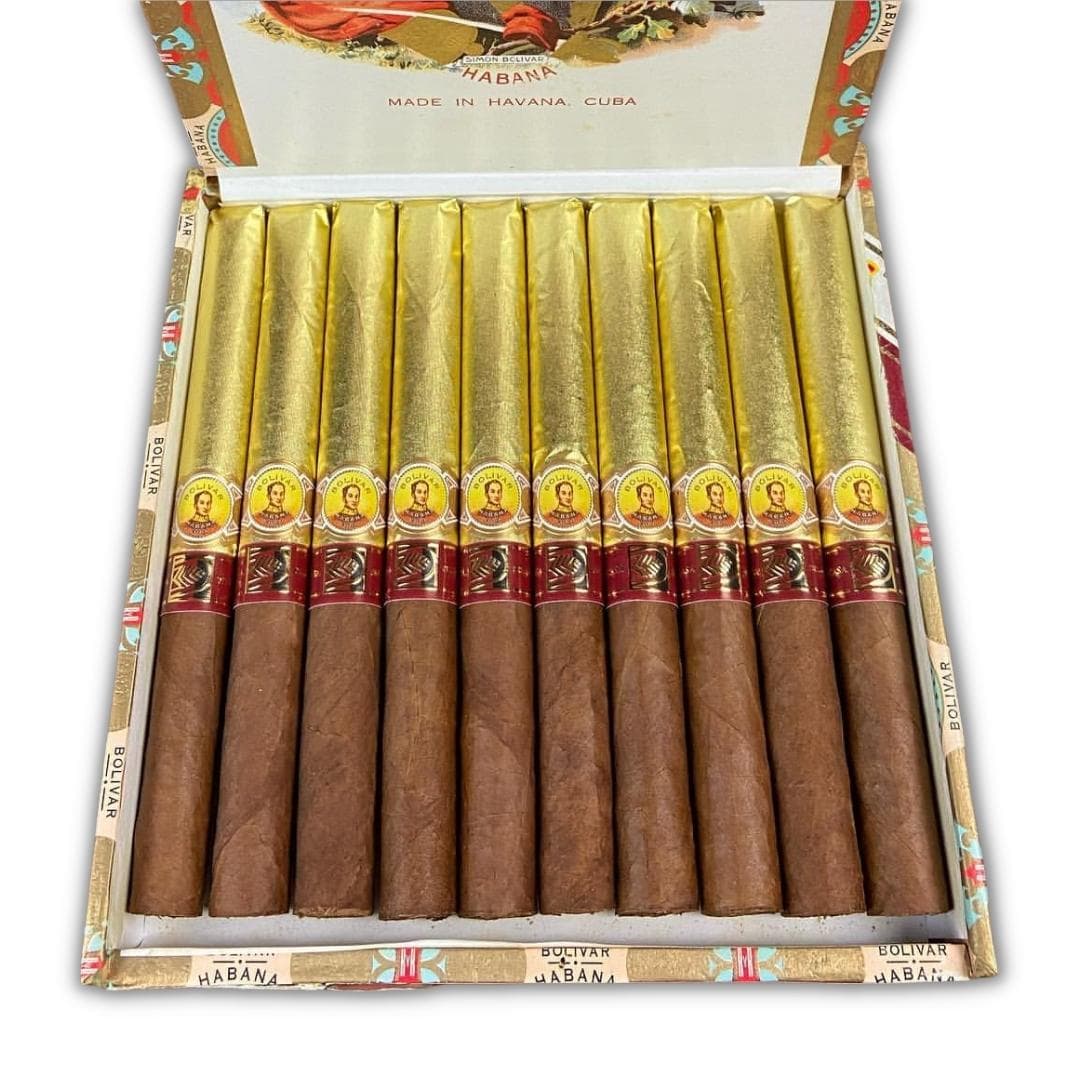
The history of the Tubos No.1 is extensive, tracing its roots back to a time before the Cuban Revolution. Having been introduced to the market prior to 1960, the cigar enjoyed a production run that spanned generations. Its longevity is a testament to its consistent quality and the enduring appeal of its format. Over the course of its lifetime, the packaging underwent significant evolution. Early releases were shipped in traditional large format cajónes, or wooden boxes, that contained 100 cigars. However, as market preferences shifted during the 1960s, this bulk packaging was phased out. In its place, the brand adopted the more refined "dress box" presentation, holding 25 cigars, each protected by its own aluminum tube. This packaging standard remained the norm until the final boxes left the factory in 2017.
Classic Dimensions and Construction
At its core, the Bolívar Tubos No.1 was a study in traditional proportions. The cigar measured 142 mm (5⅝ inches) in length with a ring gauge of 42, dimensions classified by the factory name "Coronas." While modern trends have drifted toward thicker ring gauges, this vitola maintained the elegant, slender silhouette that defined classic Cuban smoking experiences. The official weight of each unit was recorded at 9.29 grams, ensuring a substantial yet manageable feel in the hand.
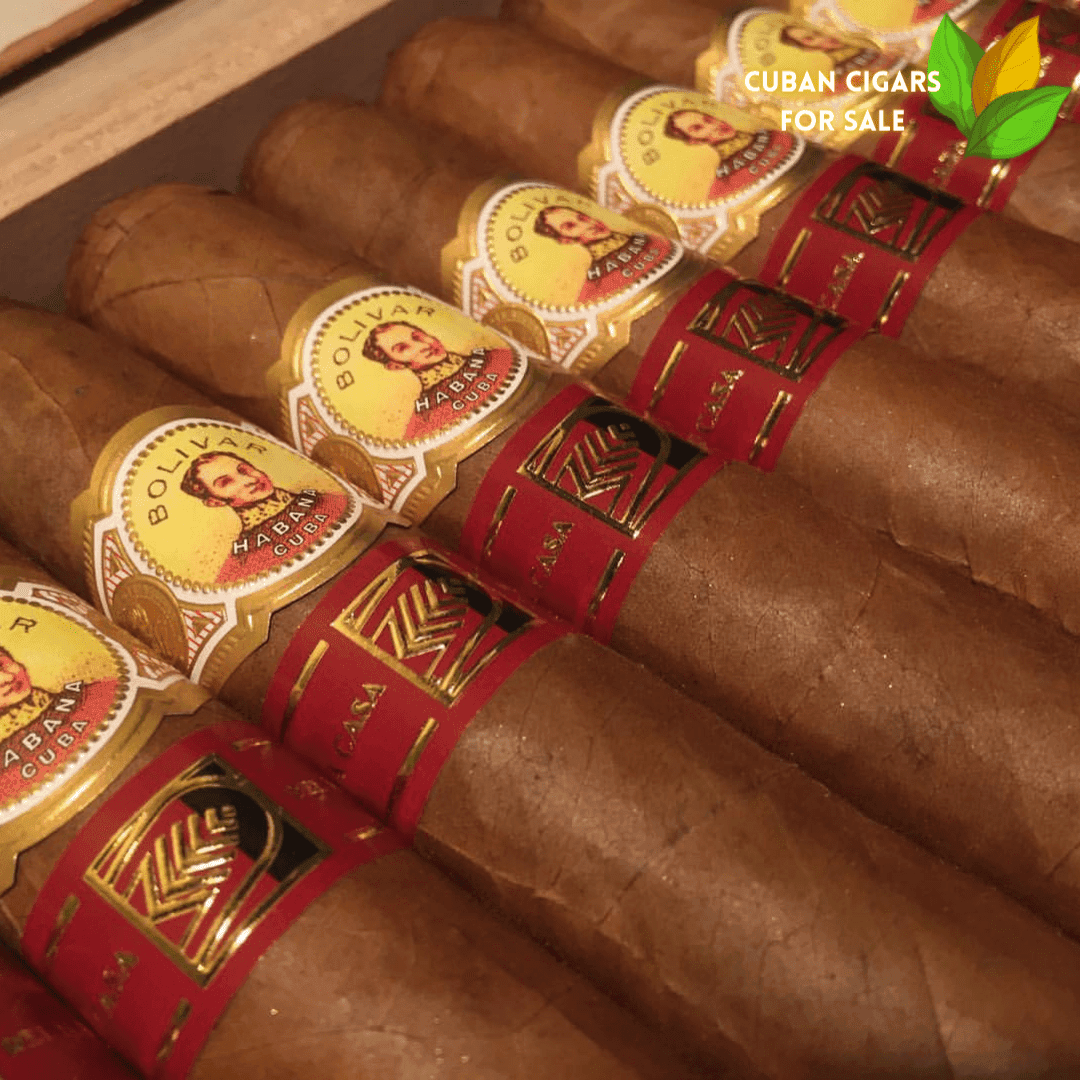
As a fully handmade product, the cigar featured the standard Bolívar banding (styles A, B, and C) and was sheathed in aluminum tubing to preserve its condition. In approximately 2009, the visual presentation received a slight update with the introduction of a new style tube, refreshing the look for the final years of its production run.
A Refined Tasting Experience
While the Bolívar brand is frequently associated with bold, powerful blends, the Tubos No.1 charted a different course. Review data consistently highlights a medium-bodied profile, with strength ratings averaging a modest 2 out of 5. This allowed the cigar to shine in other areas, specifically in elegance and aftertaste, where it garnered impressive scores of 4 out of 5. The overall impression left on the palate was equally strong, earning a matching 4 out of 5 rating, suggesting a smoke that was as refined as it was satisfying.
The flavor profile was a complex tapestry woven from earthy and sweet elements. The most prominent notes identified by reviewers included:
- Leather and Earth: These two characteristics were the most frequently cited, forming the robust foundation of the cigar's flavor.
- Natural Sweetness: Surprising many, distinct notes of caramel and marshmallow were common, adding a dessert-like quality to the smoke.
- Forest Floor: Complementing the earthiness, flavors of forest floor and mushroom provided a savory, organic depth.
- Subtle Nuances: Keen palates also detected hints of spice, floral notes, and even occasional touches of bitter chocolate, cream, molasses, and almond.
The Transition to Collectible Status
Since its discontinuation in 2017, the Bolívar Tubos No.1 has transitioned from a retailer shelf staple to a sought-after collectible. Its status as a pre-1960 creation gives it significant historical weight, appealing to those who wish to experience the classic "Coronas" format as it was originally intended. Related releases, such as those found in the Siglo XXI Millennium Humidor and the Tubos Selección, further cement its lineage. As remaining stocks dwindle, this specific iteration of the Bolívar brand stands as a poignant reminder of Cuban cigar heritage, representing a flavor profile and elegance that is no longer in production.