Brand history
Bolívar Cuban Cigars: Complete Guide to Heritage, Band Evolution and Premium Varieties
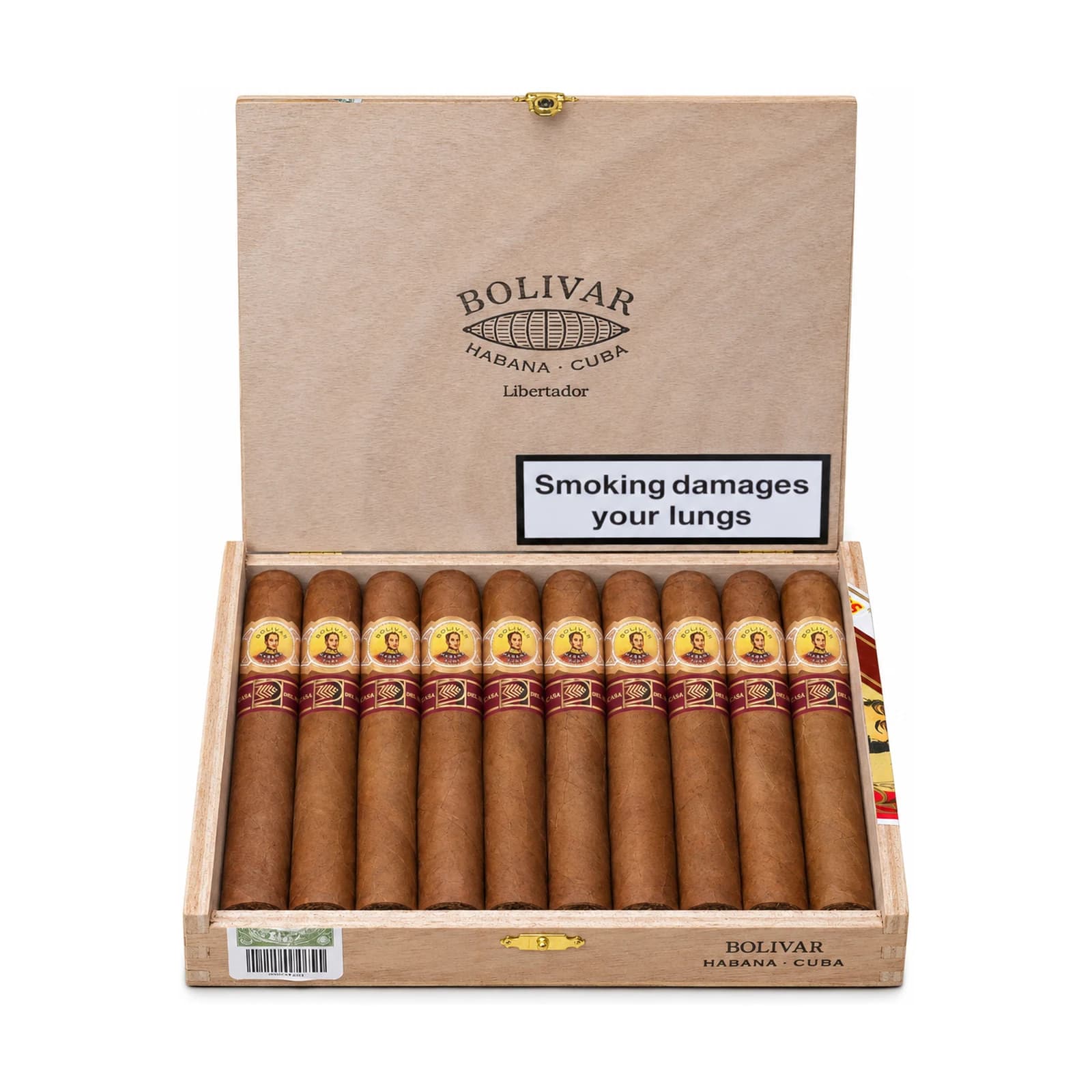
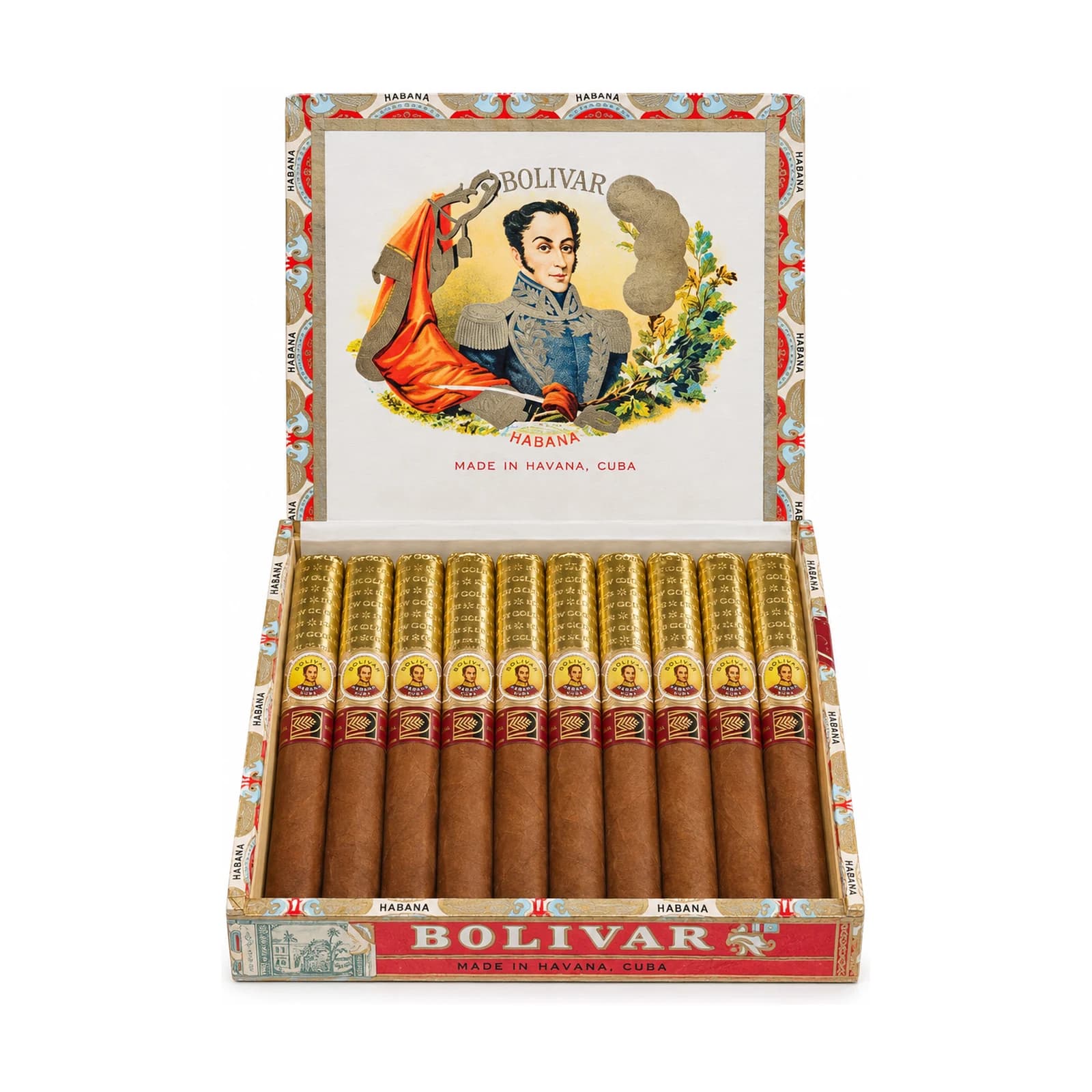
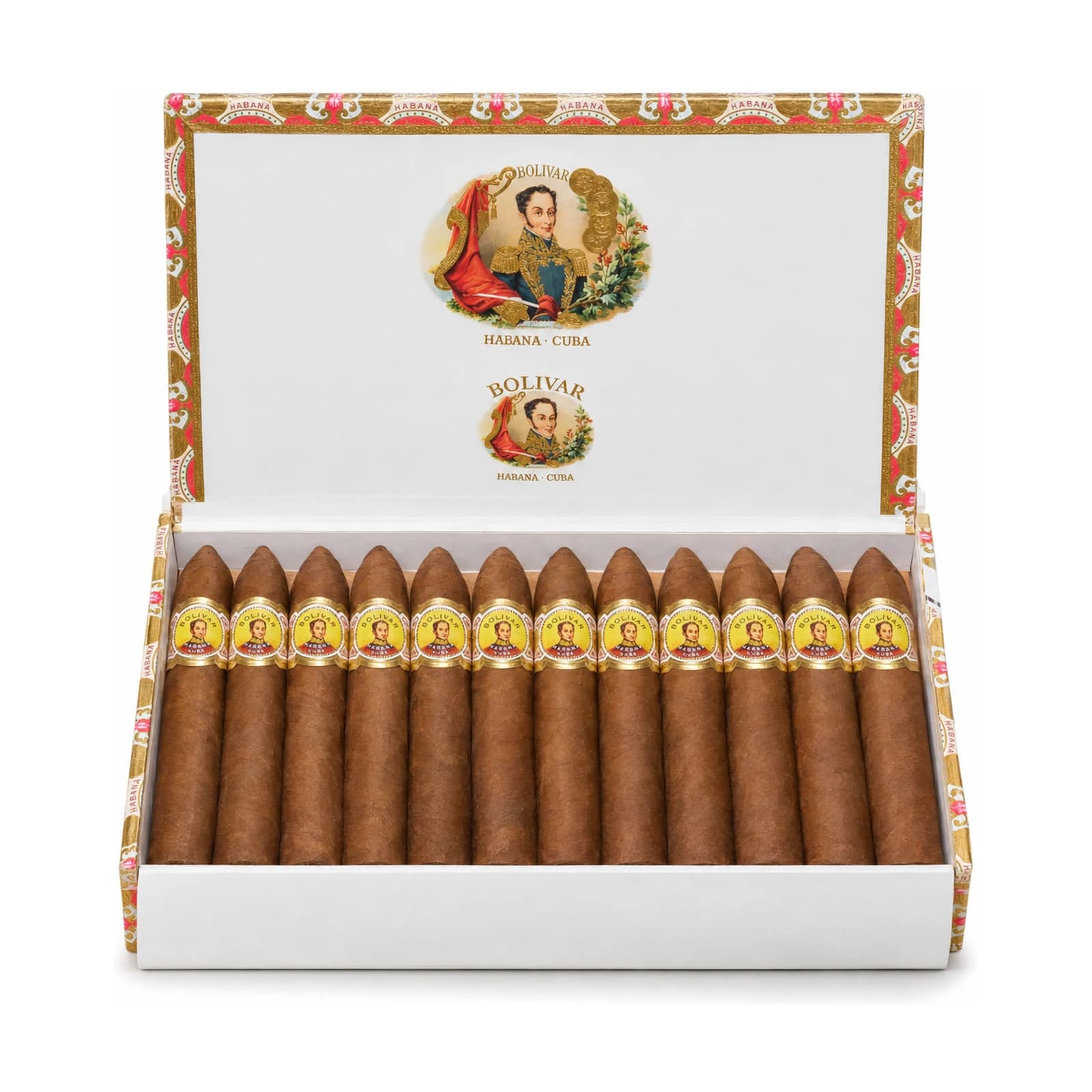
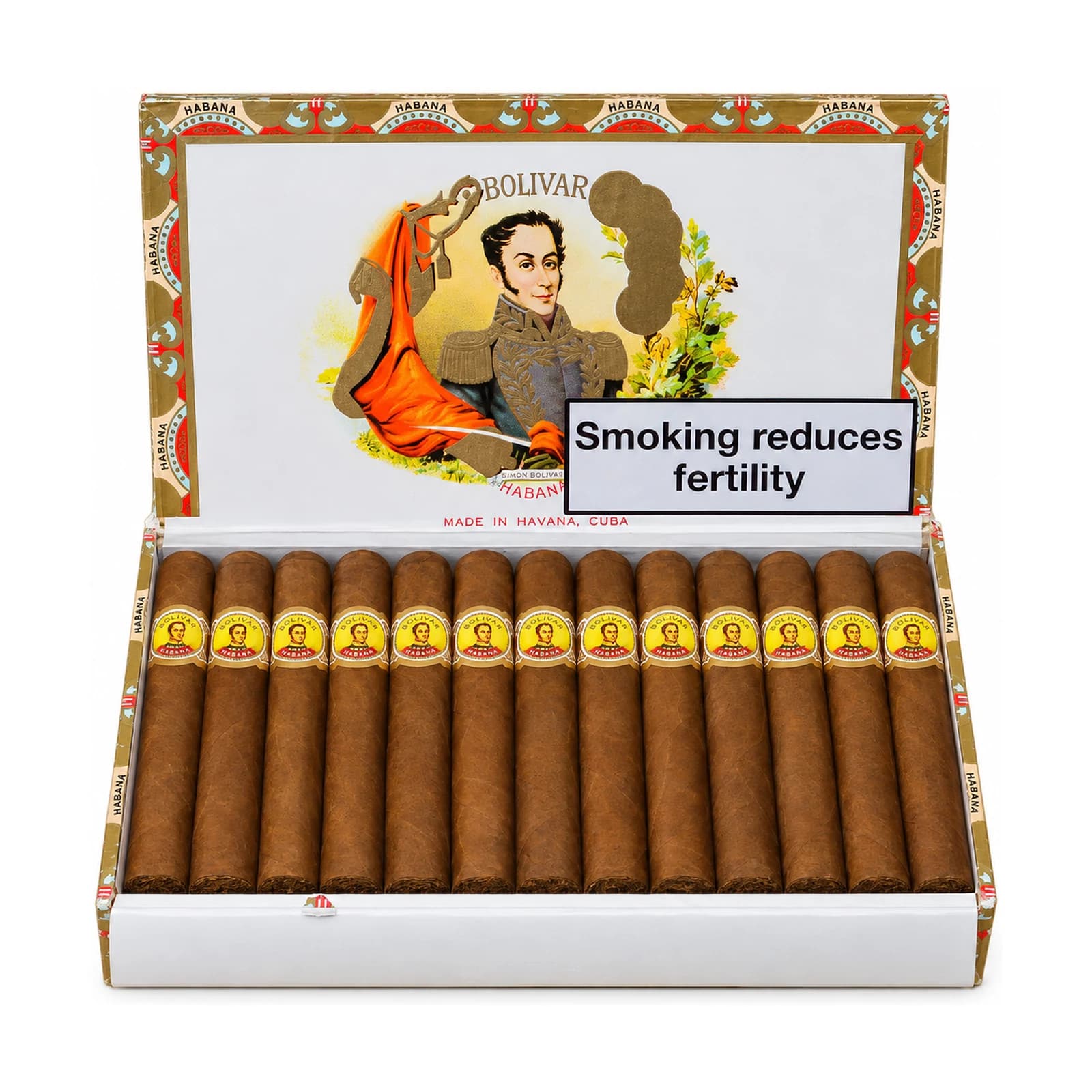
When a cigar bears the Bolívar name, it carries more than just tobacco and craftsmanship—it bears a century‑old narrative wrapped in silk‑like bands. The subtle shifts in design across the decades have become silent witnesses to the brand’s journey, offering collectors a visual roadmap to authenticity and age. This guide dissects the Bolívar band lineage, detailing each iteration and the stories behind their debut.
Foundations of a Legendary Marque
Founded in the early 1900s in Havana, Bolívar quickly ascended the ranks of Cuban cigar producers by delivering bold, full‑bodied smokes that appealed to connoisseurs worldwide. Early packaging reflected the era’s elegance, with hand‑applied bands that emphasized the marque’s regal status. Over time, the brand refined its visual identity, turning each new band into a marker of both aesthetic evolution and manufacturing milestones.
Chronology of Standard Bands
Four distinct standard band designs have surfaced on regular production cigars, each marking a specific chapter in Bolívar’s modern history. Below is a concise breakdown of their timelines and defining traits.
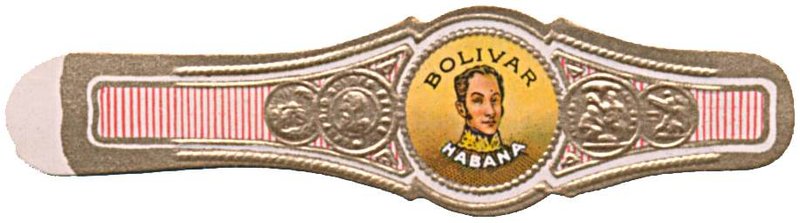
- Band A (pre‑1960s – ≈2002): The inaugural design sported a refined serif script that evoked classical typography. Embossed details added a tactile dimension, signaling a premium product. After roughly four decades, this classic look was retired.
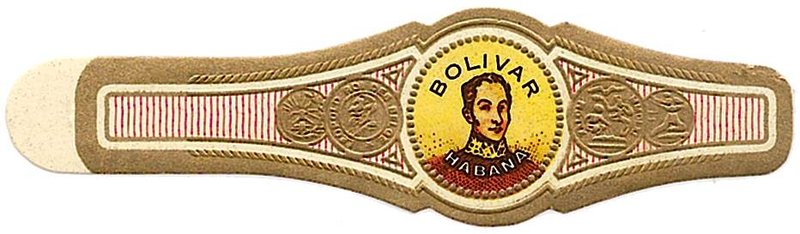
- Band B (≈2002 – late 2009): A shift toward contemporary aesthetics brought a sans‑serif typeface, giving the band a cleaner silhouette. A newly engineered embossing die produced sharper, crisper relief, enhancing visual impact while preserving the brand’s signature embossed tradition.
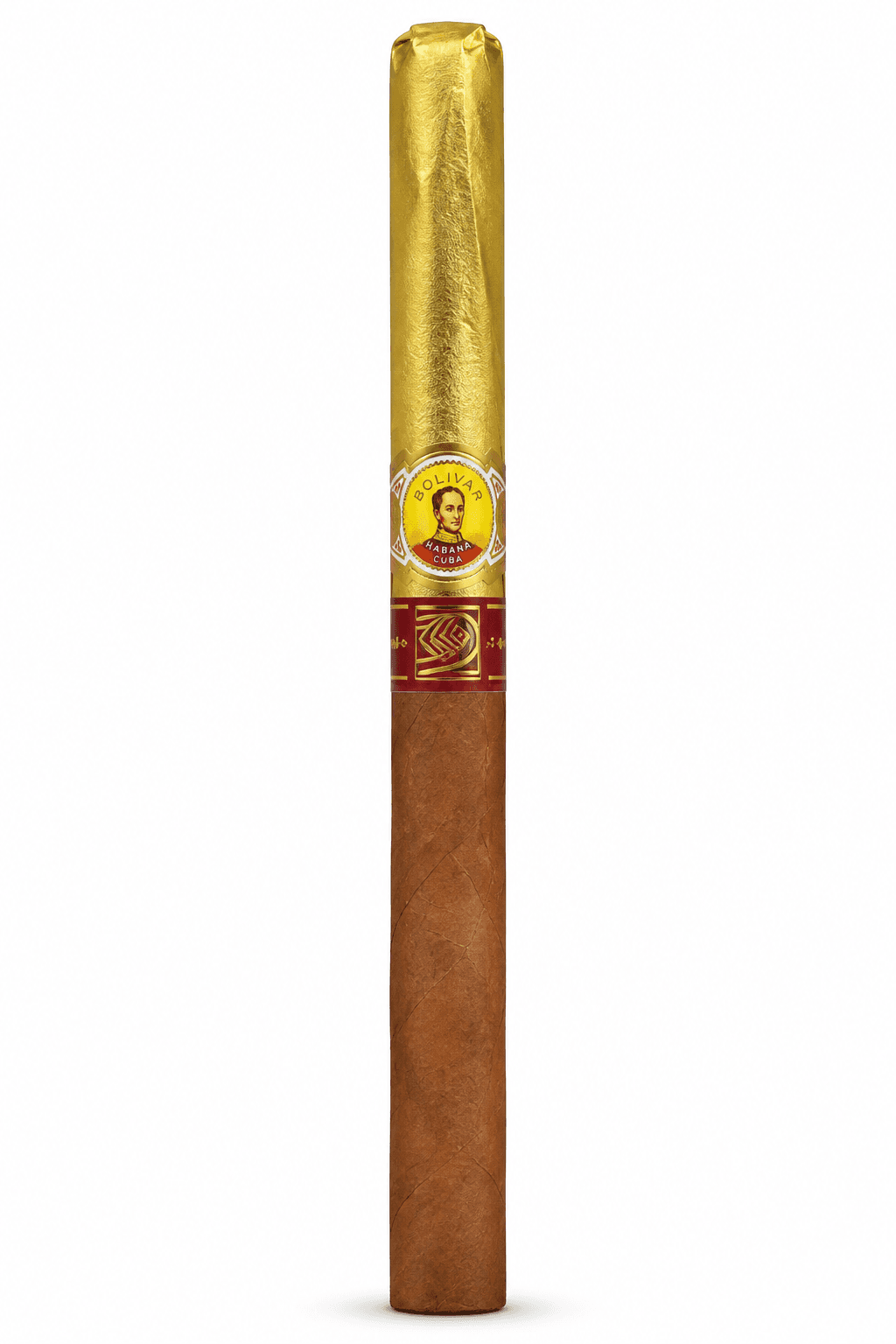
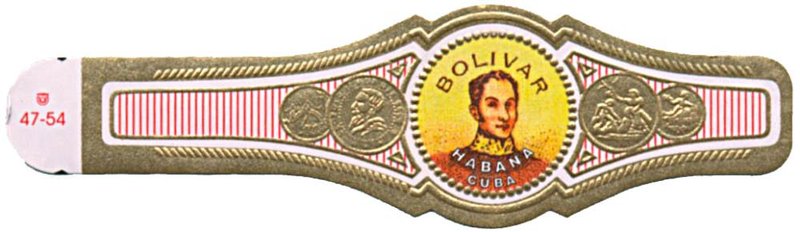
- Band C (2006 – present, mainstream from late 2009): Introduced first on special releases, this iteration added the word “Cuba” below “Habana,” offering clearer provenance. The embossed motif remained, and the design soon became the default for all regular production sticks.
- Band D (≈2009 – present): Crafted specifically for the brand’s thinner ring‑gauge vitolas, this variant strips away the “Habana Cuba” legend, delivering a minimalist look that complements more delicate sizes. Embossed detailing continues to differentiate it from non‑Bolívar cigars.
Special‑Release Bands: Marking Milestones
Beyond the standard lineup, Bolívar has issued a series of commemorative bands for limited‑edition and anniversary releases. One standout is the Centenary Selection band, created to honor the brand’s centennial. These special bands feature unique artwork, often incorporating historic motifs or extra‑fine foil accents, setting them apart from everyday production pieces. Collectors prize them not only for their scarcity but also for the narrative they embed—each band tells the story of a particular celebration or partnership.
Using Bands for Identification and Authenticity
For enthusiasts and investors alike, the evolution of Bolívar’s bands serves as a practical authentication tool. Key points to remember:
- Date the cigar by its band. Matching the design to the timeline above narrows the production window, especially when the vitola alone does not provide enough context.
- Inspect embossing quality. Early bands display a softer, more hand‑crafted relief, while later iterations are noticeably sharper due to advances in die‑making.
- Look for regional notations. The inclusion of “Cuba” beneath “Habana” on Band C and later designs helps differentiate modern releases from older stock.
- Seek special‑release markers. Commemorative bands often feature unique color schemes or additional text, indicating a limited run. Verify these details against reputable catalogs to avoid counterfeit replicas.
Quick Reference Table
| Band Type | Era | Key Visual Elements |
|---|---|---|
| Band A | Pre‑1960s – ≈2002 | Serif script, embossed detail |
| Band B | ≈2002 – late 2009 | Sans‑serif script, crisp embossing |
| Band C | 2006 – present | “Cuba” below “Habana”, embossed |
| Band D | ≈2009 – present | Minimalist, no “Habana Cuba”, embossed |
| Centenary Selection | Special releases | Unique artwork, commemorative text |
By familiarizing yourself with these band signatures, you gain an invaluable lens through which to view Bolívar’s storied past. Whether you’re selecting a fresh robusto from a contemporary box or hunting for a vintage smoke in a collector’s humidor, the subtle details etched into each band will guide you toward authenticity and appreciation.
Reader questions
Questions & answers
What is the history of Bolívar cigar bands and when did they change?
Asked by HavanaSmoker · Jan 12, 2026
Bolívar employed Standard Band A from the pre-1960s until approximately 2002, featuring elegant serif script with embossed detailing. Around 2002, Standard Band B was introduced with updated typography. These band variations help collectors date and authenticate vintage Bolívar cigars. For premium alternatives with distinctive band heritage, explore <a href="/cohiba-behike-52">Cohiba Behike 52</a> or <a href="/cohiba-siglo-ii">Cohiba Siglo II</a>.
Cuban Cigars For Sale · Jan 12, 2026
How to identify authentic Bolívar Cuban cigars by the band?
Asked by CubanCigarFan · Jan 15, 2026
Authentic Bolívar cigars feature precise embossed detailing and specific typography—pre-2002 examples use classic serif script, while post-2002 bands show refined modern lettering. Check for crisp gold embossing, correct color registration, and holographic elements on newer productions. Counterfeit bands often lack the tactile quality of genuine Cuban printing. Purchase verified authentic cigars like <a href="/montecristo-edmundo">Montecristo Edmundo</a> from trusted retailers.
Cuban Cigars For Sale · Jan 15, 2026
Is Bolívar worth collecting compared to other Cuban cigar brands?
Asked by WeekendSmoker · Feb 26, 2026
Bolívar merits serious collection due to its rich heritage dating to 1902 and distinct band evolution that provides clear dating reference points. The brand's full-bodied profile and limited regional editions appreciate reliably. Pre-2002 banded examples command premiums among enthusiasts. For comparable investment-grade alternatives, consider <a href="/cohiba-behike-52">Cohiba Behike 52</a> or the accessible <a href="/cohiba-siglo-ii">Cohiba Siglo II</a>.
Cuban Cigars For Sale · Feb 26, 2026
What's the difference between Bolívar Standard Band A and Standard Band B?
Asked by AficionadoMike · Mar 16, 2026
Standard Band A (pre-1960s–2002) featured traditional serif script typography with pronounced embossed detailing, serving approximately four decades. Standard Band B (circa 2002–present) introduced cleaner, more contemporary lettering while maintaining gold and yellow color schemes. Both bands measure roughly 54mm × 21mm. For modern Cuban cigars with evolved branding, try <a href="/montecristo-edmundo">Montecristo Edmundo</a> or the classic <a href="/cohiba-siglo-ii">Cohiba Siglo II</a>.
Cuban Cigars For Sale · Mar 16, 2026