
Description
There’s a specific kind of silence that only lives in a room filled with old books and even older memories. I found myself sitting in my father’s study last week, the late afternoon sun cutting through the dust motes like a spotlight on a stage that hadn’t seen a performance in years. I was packing for a solo trip to Spain—a bit of a “find myself” journey I’d been putting off for a decade—and I felt this overwhelming wave of gratitude. Gratitude for the man who taught me that a good map is worth more than a GPS, and that a good smoke is worth more than a dozen quick conversations.
I was rummaging through the bottom drawer of his mahogany desk, looking for a compass he’d promised me, when I found a small, cedar-lined travel humidor. Inside, tucked away like a forgotten secret, were three cigars. No flashy bands, no gold foil. Just the humble, rustic look of a brand that doesn’t feel the need to shout.
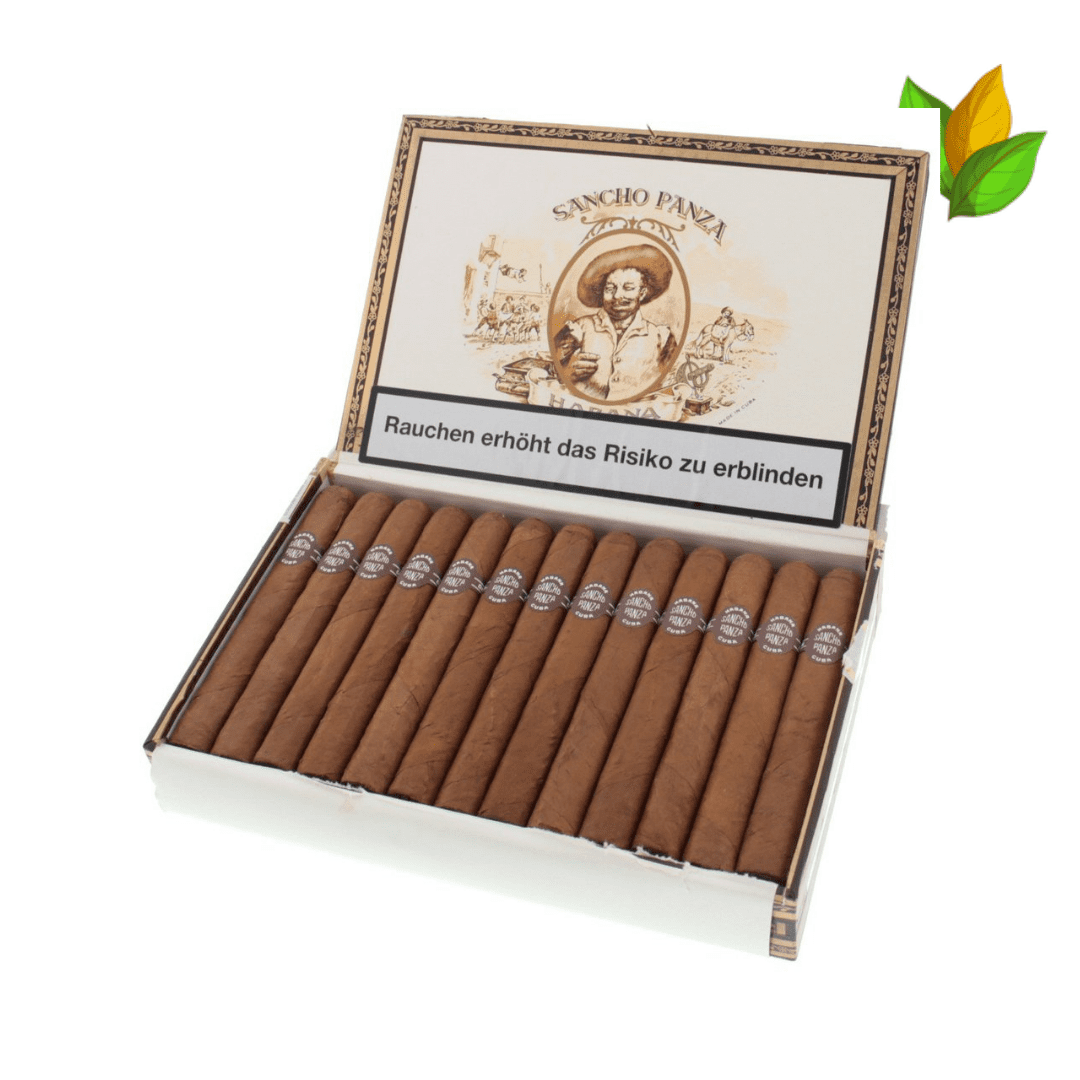
That smoke? The Sancho Panza Non Plus. It felt like a sign. Sancho Panza, the loyal squire, the man who stayed grounded while his master chased windmills. As I sat there in the quiet of the study, I realized I didn’t need a grand, “legendary” cigar for my send-off. I needed something honest. I needed this.
The Specs
Before I get into the weeds of how this thing actually smokes, let’s look at the “bones” of the cigar. It’s a classic Vitola, the kind of size that used to be the industry standard before everyone decided they needed to smoke small logs.
| Feature | Specification |
|---|---|
| Product Type | Cigar |
| Vitola de Galera | Mareva |
| Popular Vitola | Petit Corona |
| Ring Gauge | 42 |
| Length | 129mm (5⅛″) |
| Origin | Cuba (Habanos S.A.) |
| Tobacco Zone | Vuelta Abajo |
| Construction | Handmade, Long Filler (Tripa Larga) |
| Weight | 8.46 grams |
| Discontinued | 2019 |
The First Impression: Construction & Feel
I pulled the Non Plus out and just held it for a minute. You ever notice how modern cigars are sometimes too perfect? They look like they were turned on a lathe. This Sancho Panza isn’t like that. It’s got a rustic charm. The wrapper is a bit toothy, a little matte, and the veins are visible but not intrusive. It feels like something made by human hands, not a machine in a sterile lab.
The weight is light—just over eight grams—but it feels balanced in the fingers. I gave it a gentle squeeze, and I gotta say, it was firm. Maybe a little too firm. Cuban quality control can be a roll of the dice, and the Non Plus is known for having a slightly tight draw. I nipped the cap with my double-guillotine cutter, and the cold draw confirmed my suspicion: it was snug. Not “sucking a milkshake through a straw” snug, but you definitely have to work for it.
The unlit aroma is straight-up old-school Cuba. I got heavy hits of dry wood and a bit of that barnyard funk that tells you the tobacco from the Vuelta Abajo was fermented right. There was a faint hint of cocoa on the foot, but mostly, it just smelled like a workshop.
The First Third: The Wake-Up Call
Lighting this up in my father’s study felt like a ritual. I used a single wooden match, letting the flame dance across the foot until it glowed an even cherry red.
The first few puffs are decisive. There’s no “warming up” period here. Immediately, my palate was hit with a dry, woody profile. It’s not that creamy, buttery cedar you get from some high-end blends; it’s more like oak or mahogany. Solid. Real.
About five minutes in, a pleasant peppery spice started to tingle on the back of my tongue. It wasn’t overwhelming, just enough to let me know it was there. Then, out of nowhere, this subtle hazelnut note popped up. It’s a weird contrast—the dry wood and the oily nuttiness—but it works. The strength started at a firm medium. I found myself leaning back in the leather chair, watching the smoke curl toward the ceiling, feeling that pre-trip anxiety just melt away.
The Second Third: Into the Earth
As I moved into the middle of the stick, the flavor profile shifted. The woodiness didn’t disappear, but it definitely took a backseat to a deep, rich earthiness. If the first third was the workshop, the second third is the forest floor.
The hazelnut from the beginning stuck around, but it got darker, almost like a roasted almond now. I started playing with the retrohale—blowing the smoke out through my nose—and man, that’s where the pepper lives. It’s sharp and punchy. It’ll clear your sinuses if you aren’t careful, but it adds a layer of complexity that keeps the “rustic” character from feeling “simple.”
I noticed the draw opened up just a hair during this stage, which I was grateful for. The ash was a mottled grey and held on for about an inch before I tapped it into the heavy crystal ashtray on the desk. It’s a slow burner for a Petit Corona. Even though the official smoking time is listed around 25-30 minutes, I was twenty minutes in and barely at the halfway mark. I wasn’t complaining.
The Final Third: The Strength Builds
By the time I reached the final third, the Sancho Panza Non Plus decided it was done being subtle. The strength ticked up from medium to a solid medium-full.
The flavors got “toasty.” Imagine the smell of slightly burnt sourdough bread mixed with espresso beans. The earthiness was still the foundation, but there was this new vegetative note—almost like green tea or dried hay—that kept things interesting.
The pepper intensified in the final inch. It’s a “hot” finish, but not in a way that ruins the experience. It’s just a bold way to end a smoke. I didn’t get much of the chocolate or cocoa that some people claim to find here; for me, this was a savory, earthy, and spicy journey from start to finish. I smoked it down until my fingers were feeling the heat, not wanting to let go of the moment or the memory of the room.
Pairing: What to Drink?
Since I was in the study, I didn’t have a full bar at my disposal, but I think I made the right call. I had a small cup of black espresso—no sugar. The bitterness of the coffee played off the earthy notes of the Sancho Panza perfectly.
If I were sitting on a patio in Madrid, I’d probably go with a dry Sherry or maybe a glass of Ron Zacapa. You want something with a bit of sweetness to balance out the dry, woody profile of the cigar, but nothing so heavy that it drowns out the spice. A peaty Scotch might be too much; you’d just have a battle of the smokes. Keep it simple. Keep it honest.
The Verdict
I’m honestly a bit gutted that Habanos S.A. decided to discontinue these in 2019. I get it—the market wants big, flashy cigars with “limited edition” bands and price tags that make your eyes water. But the Sancho Panza Non Plus represents a side of Cuban cigar history that we’re losing: the reliable, affordable, “everyman” smoke that doesn’t try to be something it’s not.
It’s not an “elegant” cigar. It’s not pretty. The draw can be a bit of a workout, and the flavor profile is more “work boots” than “tuxedo.” But that’s exactly why I love it. It’s decisive. It’s rustic. It’s the loyal squire that gets the job done while everyone else is distracted by the windmills.
If you can find a box of these gathering dust at a local tobacconist or in a corner of an online humidor, buy them. Don’t think about it. Just buy them. They are becoming increasingly rare, and once they’re gone, that specific “Non Plus” character—that unapologetic earthiness—is going to be hard to replace.
As I closed the travel humidor and tucked the remaining two cigars into my carry-on, I felt ready for Spain. I didn’t need a grand plan. I just needed to be like Sancho: grounded, persistent, and appreciative of the simple things.
Final Thought: A solid, no-nonsense Cuban that rewards the patient smoker with deep earthy tones and a punchy finish. It’s a shame it’s gone, but I’m grateful I got to spend an hour with it in my father’s chair.
Solid.