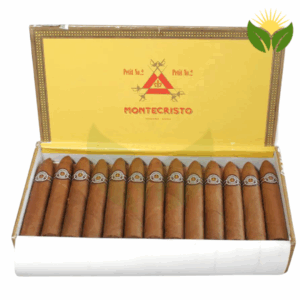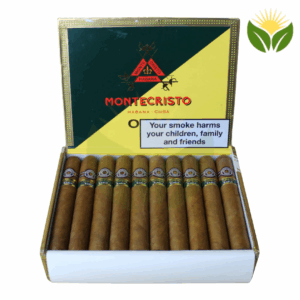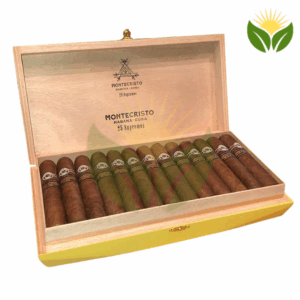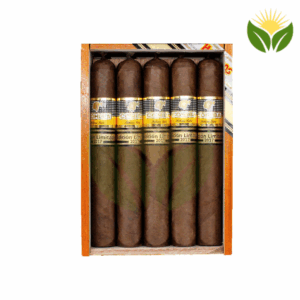

Description
Montecristo Open Master: The Diplomat of Cuban Cigars
You know that colleague who’s equally comfortable at a board meeting and a backyard barbecue? The one who never seems out of place, whether they’re in a three-piece suit or weekend khakis? That’s exactly what smoking the Montecristo Open Master feels like. It’s the diplomatic cigar of the Cuban world—sophisticated enough for serious aficionados, yet approachable enough that you won’t intimidate someone trying their first premium smoke.
I’ve been smoking Cuban cigars for over a decade, and honestly, the Open Master surprised me. When Montecristo released the Open series back in 2009, I’ll admit I was skeptical. Another “milder” Cuban? Wasn’t that missing the point? But after spending quality time with this particular stick, I’ve come to appreciate what the master blenders at Vuelta Abajo were going for. Sometimes you don’t need a cigar that punches you in the face with strength.
The Open Master occupies this interesting middle ground in the Montecristo lineup. It’s not trying to be the powerful No. 2 or the complex Edmundo. Instead, it carved out its own niche as the thinking person’s everyday smoke. Let me walk you through why this particular robusto has earned a permanent spot in my humidor.
Technical Specifications
| Length | 124mm (4 7/8 inches) |
| Ring Gauge | 50 |
| Vitola | Robusto |
| Strength | Light to Medium |
| Smoking Time | 45-60 minutes |
| Wrapper Origin | Cuban (Vuelta Abajo) |
Flavor Journey Through the Thirds
Here’s where the Open Master really shows its personality. This isn’t a static smoke—it evolves beautifully from first light to final puff, though in a more subtle way than some of its bolder siblings.
Opening Third: Setting the Stage
Right off the bat, you’ll notice this cigar has some initial tightness in the draw. Don’t panic—that’s normal for the Open Master, and it opens up beautifully after the first inch. The initial flavors are creamy and woody, dominated by cedar notes that immediately identify this as Cuban tobacco. I always pick up fresh herbs in the beginning, along with a gentle spice that tingles without overwhelming.
The smoke itself is aromatic and oily, which tells you the tobacco quality is there. There’s a subtle nuttiness that starts creeping in around the halfway point of the first third. It’s not aggressive or in-your-face, but it’s definitely present if you’re paying attention.
Middle Third: The Heart of the Matter
This is where the Open Master really finds its groove. The roasted nuts become more prominent—I’m talking butternut specifically, not just generic “nutty” flavors. The spices evolve into something more complex, though they remain light and approachable. There’s a subtle sweetness that develops, complemented by cocoa and coffee notes that aren’t overwhelming.
What I really appreciate here is the high citrus tones that add brightness to the profile. Some people detect a slight bitterness in this section, but I find it balanced beautifully by fresh cream undertones. The combustion is slow and even, giving you time to really appreciate what’s happening.
Final Third: The Satisfying Conclusion
The finish is where the Open Master shows it’s still a proper Montecristo. Chocolate-like flavors emerge, not sweet milk chocolate, but something more sophisticated. There’s a tangy undertone that keeps things interesting, and I consistently pick up raisin notes that add complexity without overpowering the experience.
The burn stays even right to the end, and the aromatic finish is clean. It doesn’t leave you with harsh aftertastes or that “beaten up” feeling you sometimes get from stronger cigars. Very good solid cigar craftsmanship shows through right to the final puff.
Construction and Appearance
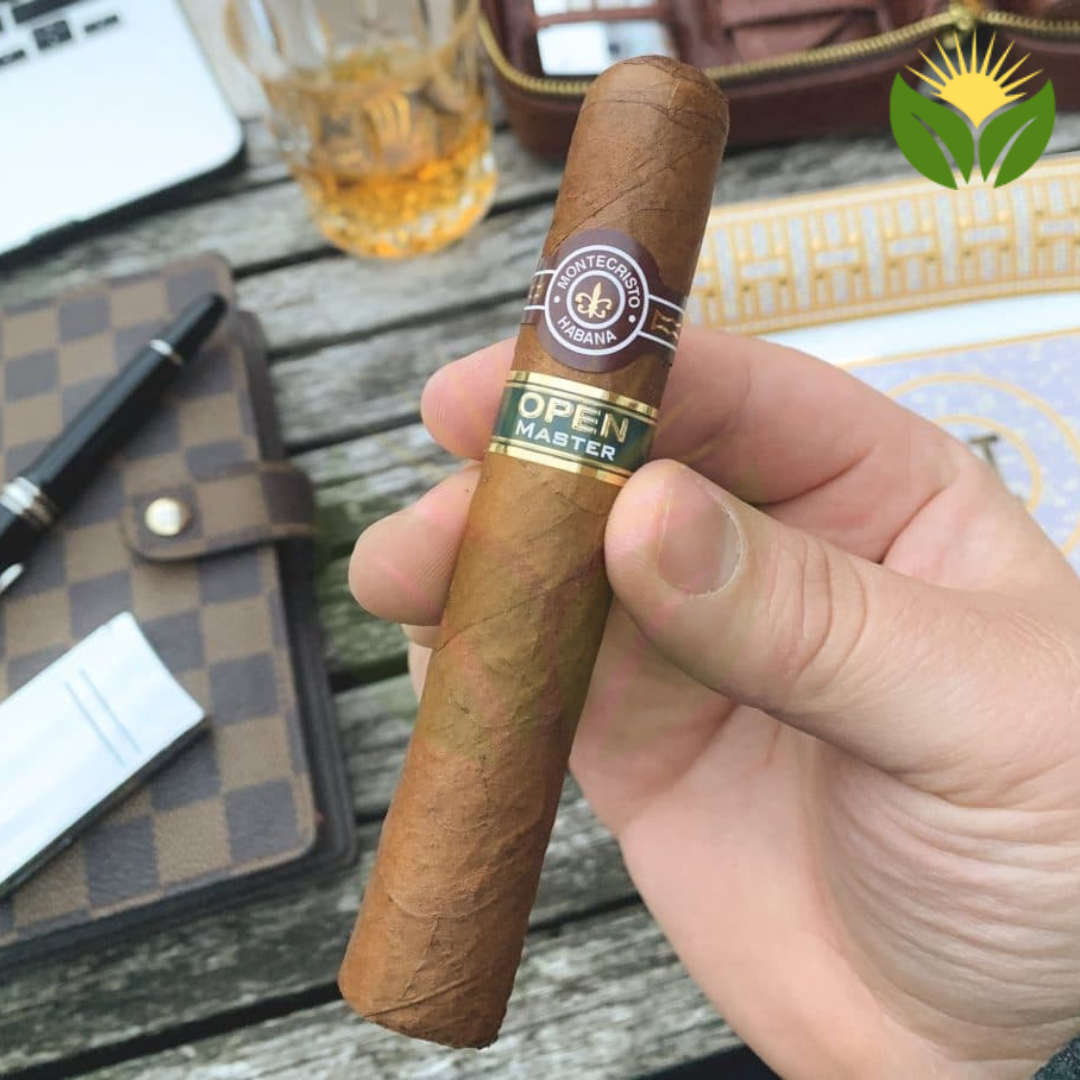
The wrapper on the Open Master is classic Cuban—not the prettiest leaf you’ll ever see, but functional and well-selected. It’s got that slightly rough, toothy texture that Cuban tobacco is known for, with a natural brown color that’s neither too light nor too dark. The construction is solid, though not perfect every time. I’ve had the occasional tight draw that needed some attention, but that’s not uncommon with Cuban cigars.
What impressed me most is how well these age. The special Montecristo Open Master double band introduced with this series isn’t just for show—it indicates tobacco that’s been selected specifically for this blend. The handrolling is consistent, and when you get a good one (which is most of the time), the construction quality really shines through.
The master open series delivers exactly what you’d expect from premium Cuban tobacco—that unmistakable terroir from the Vuelta Abajo region that you simply can’t replicate anywhere else.
Who This Cigar Is For
If you’re new to Cuban cigars, this is honestly one of the best entry points you could pick. The light to medium body won’t intimidate beginners, but there’s enough complexity to keep experienced smokers engaged. I’ve recommended it to countless people making the transition from New World to Cuban cigars, and the feedback has been consistently positive.
It’s also perfect for situations where you want a quality smoke without the commitment of a full-strength Cuban. Golf course? Absolutely. Afternoon on the patio? Perfect. Business dinner where you need to stay sharp? This is your cigar. The 45-60 minute smoking time fits nicely into most social situations without overstaying its welcome.
For the experienced smoker, don’t dismiss this as “just a mild cigar.” There’s real sophistication here—it’s just delivered in a more subtle package. Sometimes you want silky medium-bodied smoke that doesn’t dominate the conversation or the palate.
Storage and Aging Considerations
Like all Cuban cigars, the Open Master needs proper care to reach its potential. I keep mine at 65-70% relative humidity and maintain temperature between 65-70°F (18-21°C). This isn’t negotiable—go too dry and you’ll lose the subtle flavors that make this cigar special; too humid and you risk mold and construction issues.
What’s interesting about the Open Master is how it responds to aging. Fresh from the box, it’s pleasant but not extraordinary. Give it six months to a year in proper storage, and the flavors really start to marry and develop depth. I’ve got some three-year-old Open Masters that are absolutely singing—the cedar mellows, the cream becomes more pronounced, and the overall complexity increases significantly.
If you buy the tubed versions, they’re great for travel but don’t rely on the aluminum tube for long-term storage. Get them into your humidor as soon as you’re home. For detailed storage techniques, check out these proven preservation methods that’ll keep your investment protected.
Perfect Pairing Recommendations
The Open Master’s approachable profile makes it incredibly food and drink friendly. For coffee lovers, this pairs beautifully with a medium roast—the nutty notes in the cigar complement coffee’s natural flavors without competing. I particularly enjoy it with Colombian or Guatemalan single origins.
When it comes to spirits, I’ve found that aged rum works wonderfully. The sweetness and spice in good rum enhance the cigar’s subtle complexity. A 12-year Guatemalan or Venezuelan rum is my go-to choice. If whisky is more your style, stick to something smooth—Highland Scotch or Irish whiskey work better than peated or high-rye options that might overpower the delicate flavors.
For wine drinkers, light to medium reds are your friend. A good Rioja or Côtes du Rhône won’t compete with the cigar’s nuanced profile. Even some full-bodied whites—think aged Chardonnay or white Burgundy—can create interesting flavor interactions.
Honestly, this is one of those cigars that’s forgiving with pairings. It won’t clash with most drinks, making it perfect for social situations where people are drinking different things.
Identifying Authentic Open Masters
With Cuban cigars, authenticity is always a concern, and the Open Master’s popularity makes it a target for counterfeiters. Here’s what to look for when you’re ready to add these to your cart:
Authentic Open Masters come with the distinctive double band—the standard Montecristo band plus the Open series band. The construction should be consistent: exactly 124mm length with a 50 ring gauge. I’ve seen fakes that are clearly off in their measurement, so pay attention to proportions.
The wrapper should have that characteristic Cuban tooth and slight roughness. If it’s perfectly smooth and pretty, be suspicious. The draw might be tight initially, but it shouldn’t be completely plugged. Real Cuban tobacco has a distinct, earthy aroma—if it smells chemically or harsh, walk away.
Always buy from reputable sources. The savings from questionable sellers aren’t worth the disappointment of smoking fake Cuban tobacco. Check for proper Habanos S.A. markings and holograms on the box, and make sure the vendor can provide authentication details.
Cutting and Lighting Technique
The Open Master responds well to a straight cut—nothing fancy needed here. Cut just enough to open the cap cleanly; you’re not trying to cut into the shoulder. Given the initial tight draw I mentioned earlier, some people prefer a slightly deeper cut than usual, but start conservative. You can always trim more if needed.
For lighting, take your time. The robusto format gives you a decent surface area, so make sure you’re getting an even light across the foot. I prefer wooden matches or butane lighters—avoid anything that might impart off-flavors to those delicate opening notes.
Don’t rush the lighting process. Toast the foot gently, then light with slow, measured puffs. The Open Master will reward patience with better flavor development and more even burn throughout the smoke. For more detailed technique guidance, here’s a comprehensive guide to proper Cuban cigar smoking methods.
Frequently Asked Questions
How does the Open Master compare to other Montecristo vitolas?
The Open Master is definitely on the milder end of the Montecristo spectrum. It’s less intense than the No. 2 or Edmundo, but more complex than you might expect from its “light to medium” designation. Think of it as Montecristo’s approachable side—same quality tobacco from Vuelta Abajo, just blended for broader appeal. It’s a great stick for when you want Montecristo character without the full strength commitment.
Should I age these cigars or smoke them fresh?
While they’re smokeable fresh, I’d strongly recommend aging them for at least six months if you can wait. The flavors really start to integrate and develop depth after some humidor time. I’ve got some that are three years old now, and they’re significantly better than when I first bought them. The cedar mellows, the cream becomes more pronounced, and the overall smoking experience improves noticeably.
What’s the difference between the regular and tubed versions?
Functionally, there’s no difference in the tobacco or construction—same 124mm x 50 ring gauge cigar. The aluminum tubos are convenient for travel and offer some protection, but they’re not a substitute for proper humidor storage long-term. I keep both versions, using the tubed ones when I’m traveling or giving them as gifts. Just remember to transfer tubed cigars to your humidor if you’re storing them for any length of time.
Why does my Open Master sometimes have a tight draw initially?
This is normal for the Open Master—I’ve experienced it with about half the ones I’ve smoked. It’s part of the construction characteristics of this particular vitola. The good news is that the draw almost always opens up after the first inch or so of smoking. If it stays tight throughout, you might have gotten one with construction issues, but that’s relatively rare. Don’t worry about it initially; just smoke slowly and let it develop naturally.
Is this a good cigar for beginners to Cuban tobacco?
Absolutely—it’s one of the best entry points to Cuban cigars I can recommend. The light to medium strength won’t overwhelm newcomers, but there’s enough complexity to show what Cuban tobacco is capable of. The smoking time is reasonable, the flavors are approachable, and it represents good value in the Cuban market. I’ve introduced dozens of people to Cuban cigars with the Open Master, and it’s rarely disappointed. Posted January recommendations in most cigar forums consistently mention this as a beginner-friendly option.
The Montecristo Open Master isn’t trying to be the strongest or most complex cigar in your humidor. Instead, it’s perfected the art of being reliably excellent—the kind of cigar you can count on for quality and enjoyment without any unpleasant surprises. In a world of finestcigars that sometimes prioritize power over balance, the Open Master reminds us that subtlety and craftsmanship still have their place. Whether you’re new to the Cuban cigar world or a seasoned smoker looking for your next everyday smoke, this robusto deserves serious consideration for your collection.