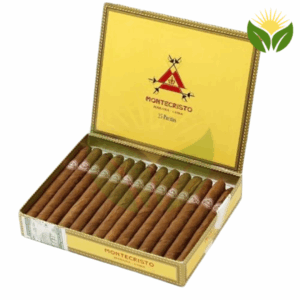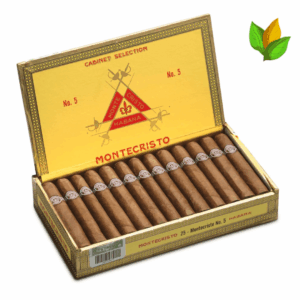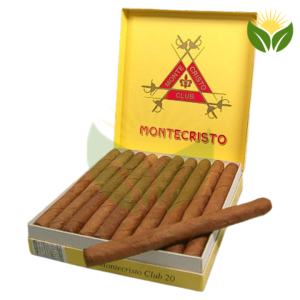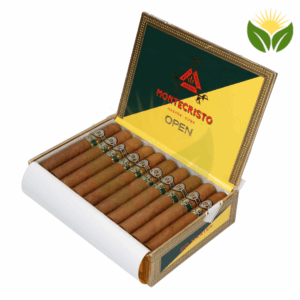

Description
markdown
A few years ago I was seated on a rooftop bar in Madrid, the sort of place where they have an elevator that feels like a rickety time machine and gin tonics priced above what my first car cost.
The sun was that low, reluctant dip toward the horizon — the kind that turned the skyline a bruised purple and warm orange. You know that feeling? When street noise starts registering as nothing more than a low-frequency hum and you’re suddenly acutely aware of the passage of time? I was in a thoughtful mood, considering how little after all of our lives we spend chasing the “new” and the “bold,” while much of what really matters is right there in front of us, wearing a plain brown label.
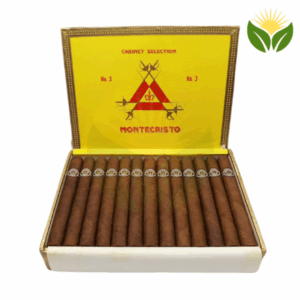
I opened my travel humidor. I didn’t want a monster. I didn’t want a double corona that takes two hours to smoke, or some boutique band with a trendy-looking band that resembles a heavy metal album cover. I longed for something that felt like an old friend. I wanted a smoke that knew its place and didn’t have shout. That smoke? The Montecristo No. 3.
The Specs
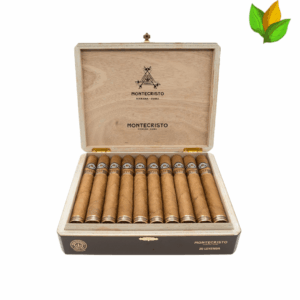
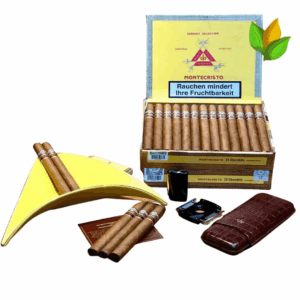
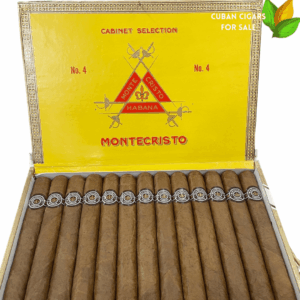
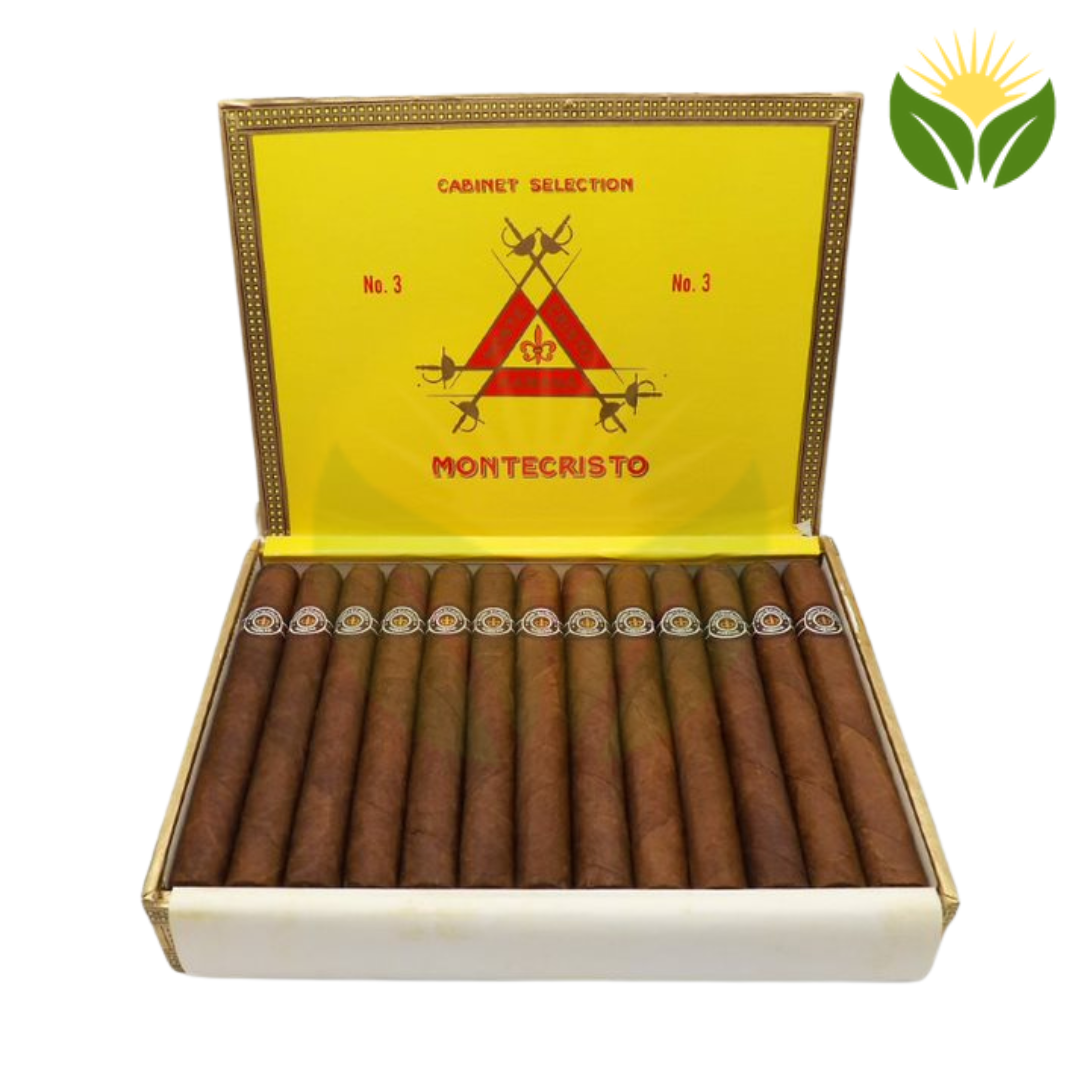
Before getting to the weeds about how this thing actually smokes, let’s take a gander at the vitals. This isn’t a smoke for those who are fans of the flashlight-in-the-mouth. It’s a classic, straight-up Corona.
| Attribute | Specification |
|---|---|
| Product Name | Montecristo No. 3 |
| Origin | Cuba (Habanos S.A.) |
| Vitola de Galera | Corona |
| Length | 142mm (5 5/8″) |
| Ring Gauge | 42 |
| Strength | Medium to Full |
| Wrapper/Binder/Filler | 100% Cuban (Vuelta Abajo) |
| Aging | 2 Years Pre-Release |
Construction and Feel
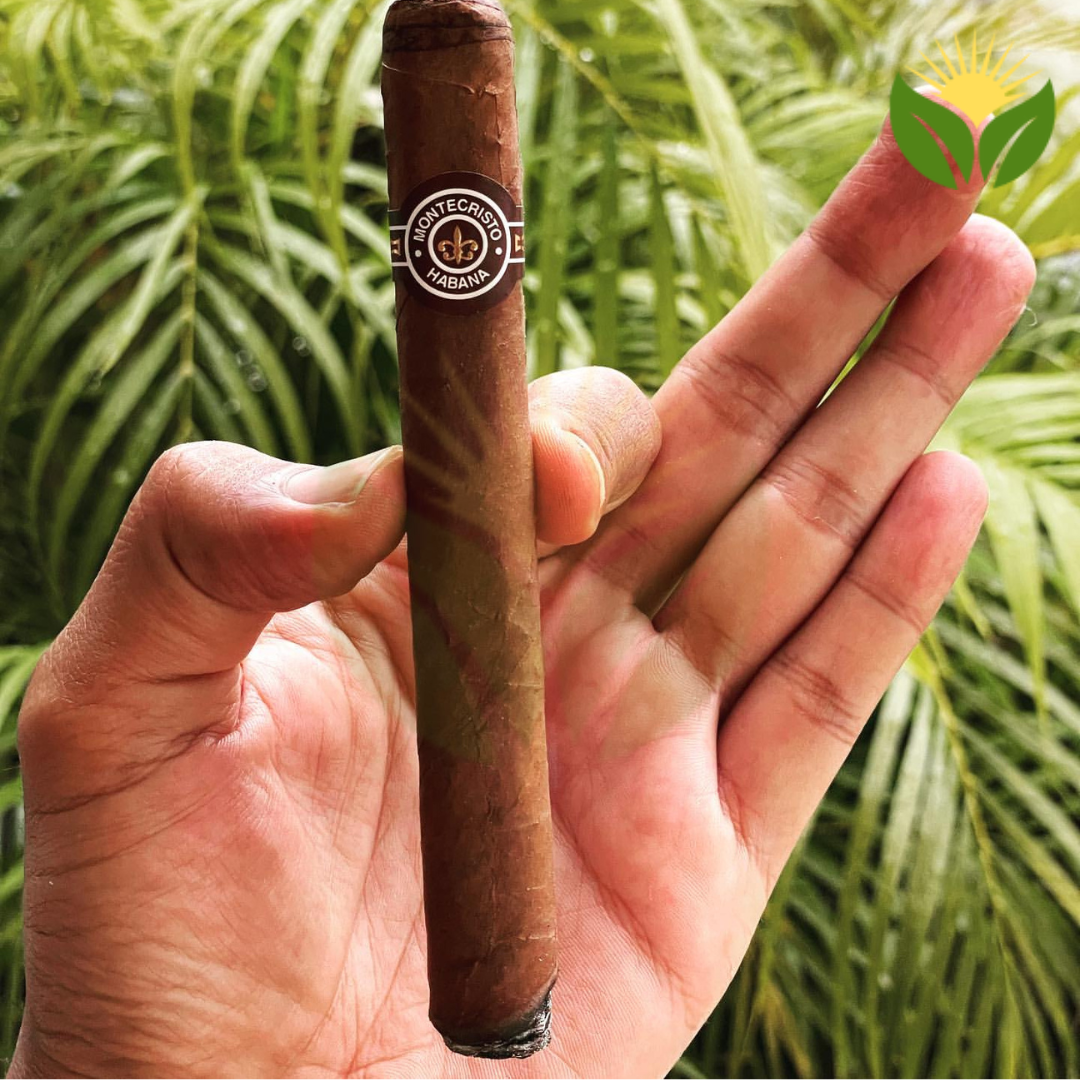
I have to admit, there is something about a 42 ring gauge that just feels perfect in the hand. It’s elegant. It’s not making you look like your’e trying so hard. When I took the No. 3 out of my case, the first thing that struck me was the wrapper. It was not the oily man-show version; it was that matte, Colorado-claro tan of well-ageing leather. It felt solid. Not hard solid, but well-packed solid. You can tell these are hand-rolled by folks who have been doing it since before I was born.
I gently squeezed it. I got a little bit of give, that nice “cushiony feeling” that told me airflow should not become an issue. These guys are aged for two full years before they ever see shelf-time, and it shows. There is no such thing as a “green” smell to it. Rather, the pre-light smell I got was a an old cedar, barnyard and a hint of sweetness that reminded me of dried hay. I clipped the cap straight, my preferred way to open a Corona (some people prefer an angled cut), and found the cold draw to be perfect. Loose but not too loose, not milkshake-through-a-straw suction. Just a perfect, slight resistance.
The First Third: The Greeting
On that rooftop, as the sun finally dipped below the horizon, I toasted the foot. First few puffs of a Montecristo No. 3 are always surprising when you haven’t had one in a while. It doesn’t start shy. I took a hit and boom, the first thing that came to me was toasted tobacco with a very clear honey-like sweetness. It’s not, however, a sugary sweetness — more like that deep, floral honey you sometimes find at farmer’s markets.
There was a little bit of white pepper on the retrohale, enough to let me know it had some “punch” as the old-timers always say.
The smoke had become intense and velvety. I hate thin smoke. If I’m going to smoke a cigar, then I want to take in the full experience. This was a No. 3 and it had a luxurious density to it that coated the palate. It had a thickness, too: I felt like I was chewing on the flavor rather than simply inhaling it. After about ten minutes, the pepper calmed down a bit and more of that classic Montecristo profile can be found — there were notes of toast and something earthy.
The Second Third: Sweet Spot
When I was an inch and a half in, the city lights were starting to twinkle below me. Here is where the No. 3 really gets going. The honey tones of the opening were back in the wings, and the main act burst forth: creamy coffee, cocoa. I mean, that fancy, dark chocolate cocoa powder — bittersweet and fragrant.
I detected a vanilla note edging in, too. It went so well with the coffee flavors that instead of a cup to dip my skimp into, I felt almost like I was eating a birthday latte. The good thing about this particular section of the smoke is that it puffs the same. It’s not a “fussy” cigar. it stays lit, the ash hangs on for a good inch, maybe more (a pretty light grey I might add), and flavor just gets stronger. It’s richer than refined here, if that makes any sense. It’s not trying to be delicate, it’s all about that full Cuban body that made the brand famous in 1935. You can taste the Vuelta Abajo soil — that mineral, salty, “twangy” character that you just can’t find anywhere else.
The Last Third: The Fire and the Punch
When I got to my last third, it really mellowed out. The strength of the cigar had begun to make itself known. According to Habanos, the strength level is a 4 out of 5 and you definitely feel that toward the end. The cocoa and vanilla were gone now, making way for a much more powerful cedar and spicy twang that jolted my palate to attention.
It did get hotter, though not “bitter” hot. It was more a focused intensity. You really get the “fire and punch” that people talk about with the numbered series here. It’s a masculine smoke — strong, woody, slightly pushy. By the half way point I began to slow down, having short pulls trying to cool things off and in turn left an awesome zinger of a spice on my tongue. I smoked the thing down to the nub, could feel the heat on my fingers. I didn’t want to put it down. There is a kind of brutal honesty at the end of a No. 3; it no longer hides behind sweetness. It’s merely pure, aged tobacco doing what it does.
Pairing Recommendations
Now on this rooftop I was drinking a gin and tonic, which wasn’t bad. But if I’m truthful, it didn’t quite work out. There, if you’re smoking a Monte No. 3, you better have something that’s strong enough to compete with that medium-to-full body.
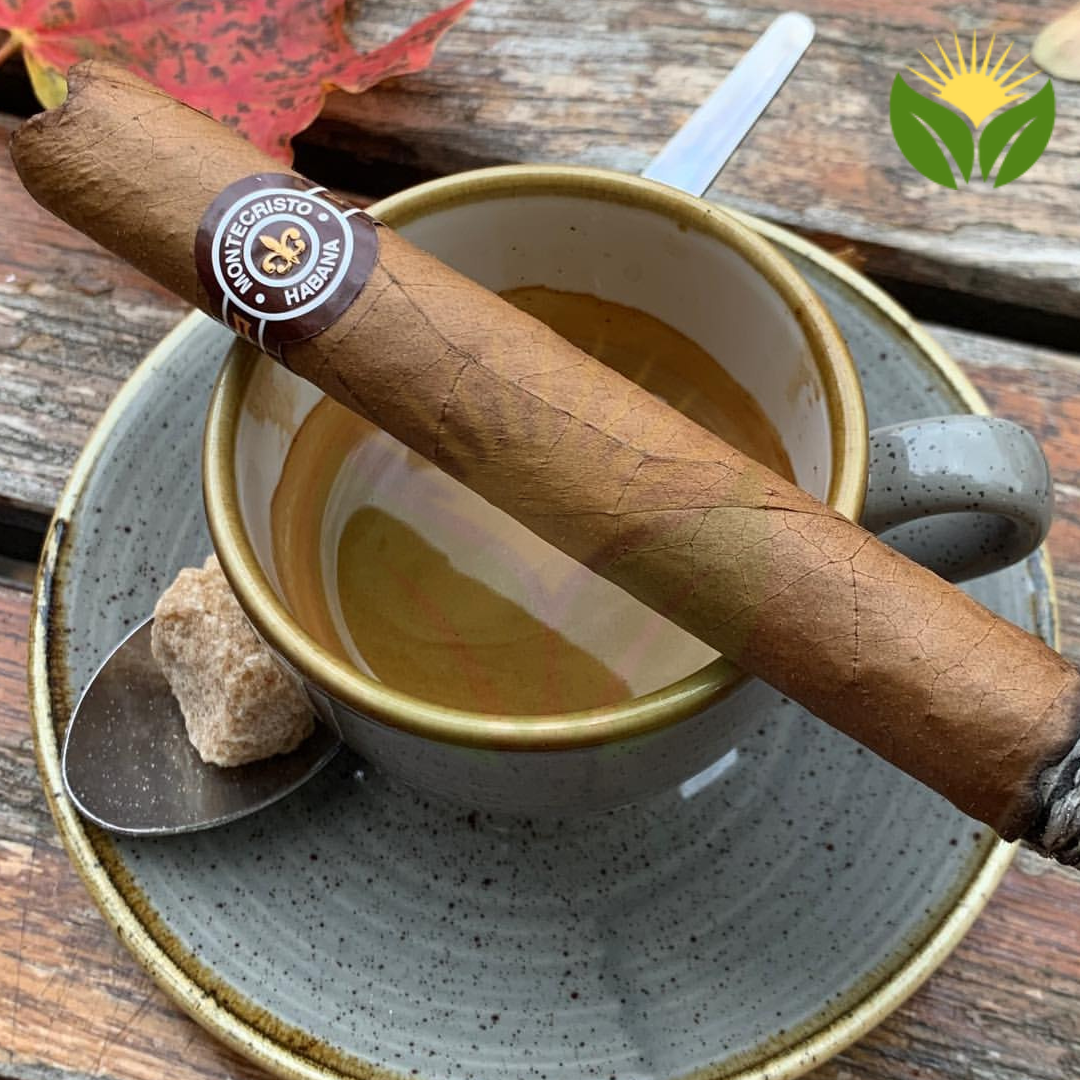
I would choose a Havana Club 7 Year Old rum. The molasses and oak notes in the rum would pair very well with the flavors of cocoa and vanilla in the second third. If you’re not a drinker, an inespresso (black and strong) is in order. The bitterness of the coffee cuts through that silken smoke and demands attention to that honey sweetness in the early going. If it’s late at night and you want something stronger, it might be a peated Scotch, though watch out for the smoke of the whisky drowning out any light cedar notes in your cigar.
The Verdict
You ever purchase something because it’s a “classic” and then come to the realization that in fact it’s just old? The Montecristo No. 3 is not that. It’s a classic because it holds up. It’s the cigar that set the “parejo” shape as a gold standard, making us forget about those strange-looking perfectos of Victorian times. It’s tasteful, it’s dependable and has enough backbone to keep an experienced smoker interested for the full hour it takes to work its way down.
Is it the most complicated cigar I’ve smoked? No. But I’m not always in the mood for a puzzle. Sometimes I just want a goodass smoke that reminds me of knowing my way around Cuba. The two year mellowing process really serves this one well – there’s a smoothness to the strength that you don’t always find with younger Cubas.
If you want something jokey to wave around at a party while being oversized, look elsewhere. But if you’re sitting on a rooftop with the sun going down, and you want a companion with more fun than civility in it, the No. 3 is your play. It’s a smoke that is “fire and punch” in a fancy Corona body. Solid. Truly solid.
Final Thought: If you find a box of these that’s been sitting for another year or two in some store, I’d snag it. They’re only improved with additional rest, but right out of the gate are what a Cuban cigar should be.