
Description
The late afternoon sun was filtering through the tall windows of Club Macanudo in Prague, casting long shadows across the leather armchairs while I contemplated what felt like a small monument to Cuban craftsmanship resting between my fingers. The cigar felt substantial – heavier than I’d expected – with its dark, oily wrapper catching the light in ways that suggested this wasn’t going to be just another smoke.
I’d been curious about this particular vitola for months after hearing whispers about Montecristo finally releasing something with real strength. For a marca that built its reputation on refined, medium-bodied elegance, the idea of them going full-throttle seemed almost revolutionary. The anticipation had been building since I’d placed the order with swisscubancigars weeks earlier.
What I discovered that evening exceeded expectations in ways I couldn’t have predicted. This isn’t just another addition to the Montecristo lineup – it’s a complete departure from everything the brand has stood for, and honestly, it’s about time.
Specifications
| Specification | Details |
|---|---|
| Length | 165mm (6½ inches) |
| Ring Gauge | 55 |
| Vitola | Double Robusto (Maravillas No. 2) |
| Wrapper | Corojo/Natural Carmelite |
| Strength | Full |
| Smoking Time | 75-90 minutes |
| Origin | Cuba (Vuelta Abajo tobacco) |
Construction and Appearance
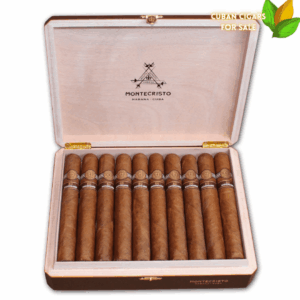
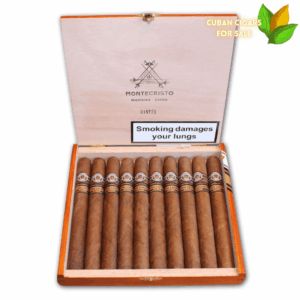
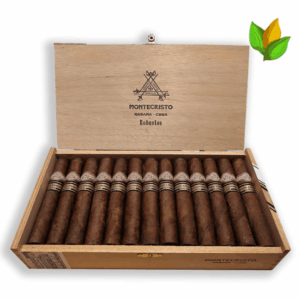
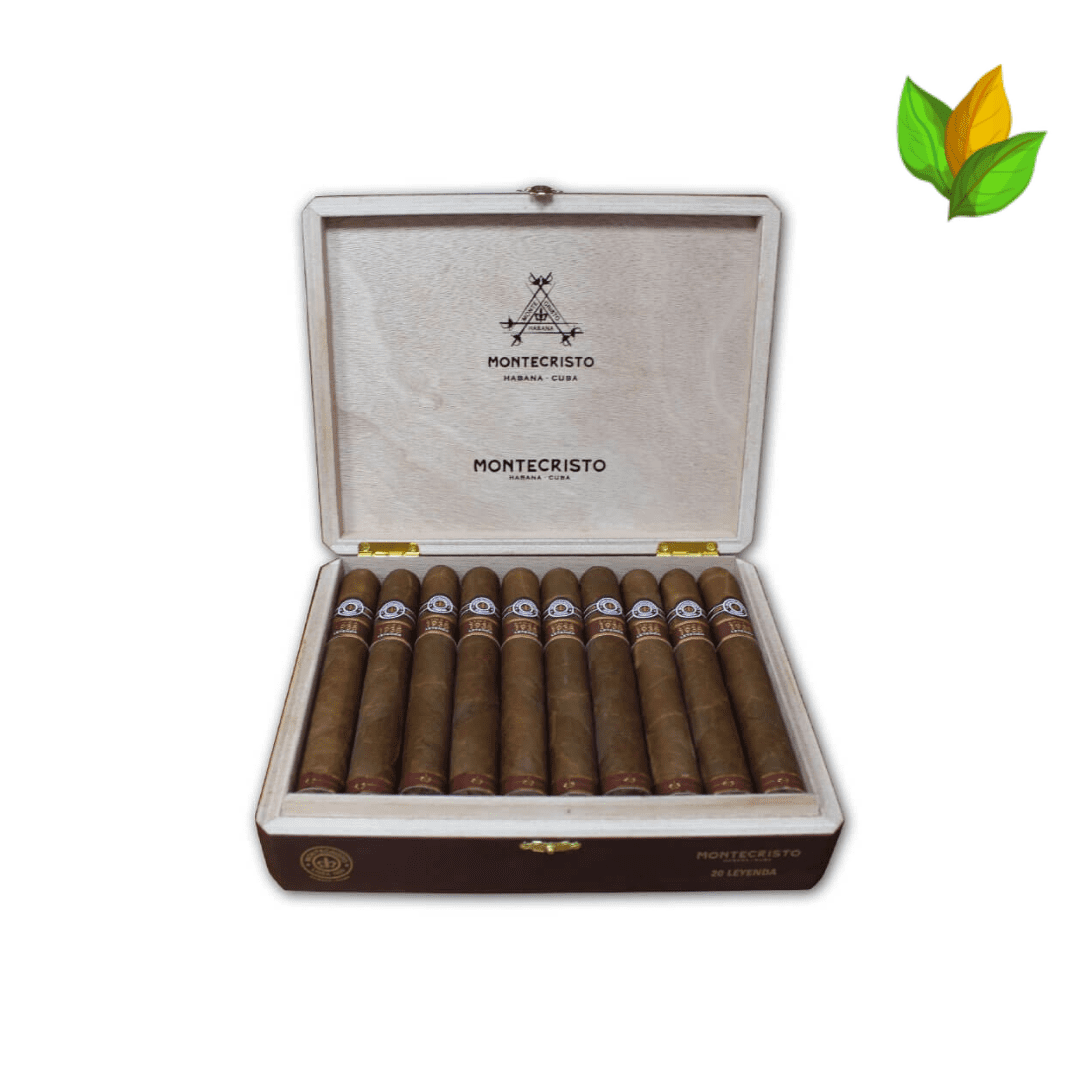
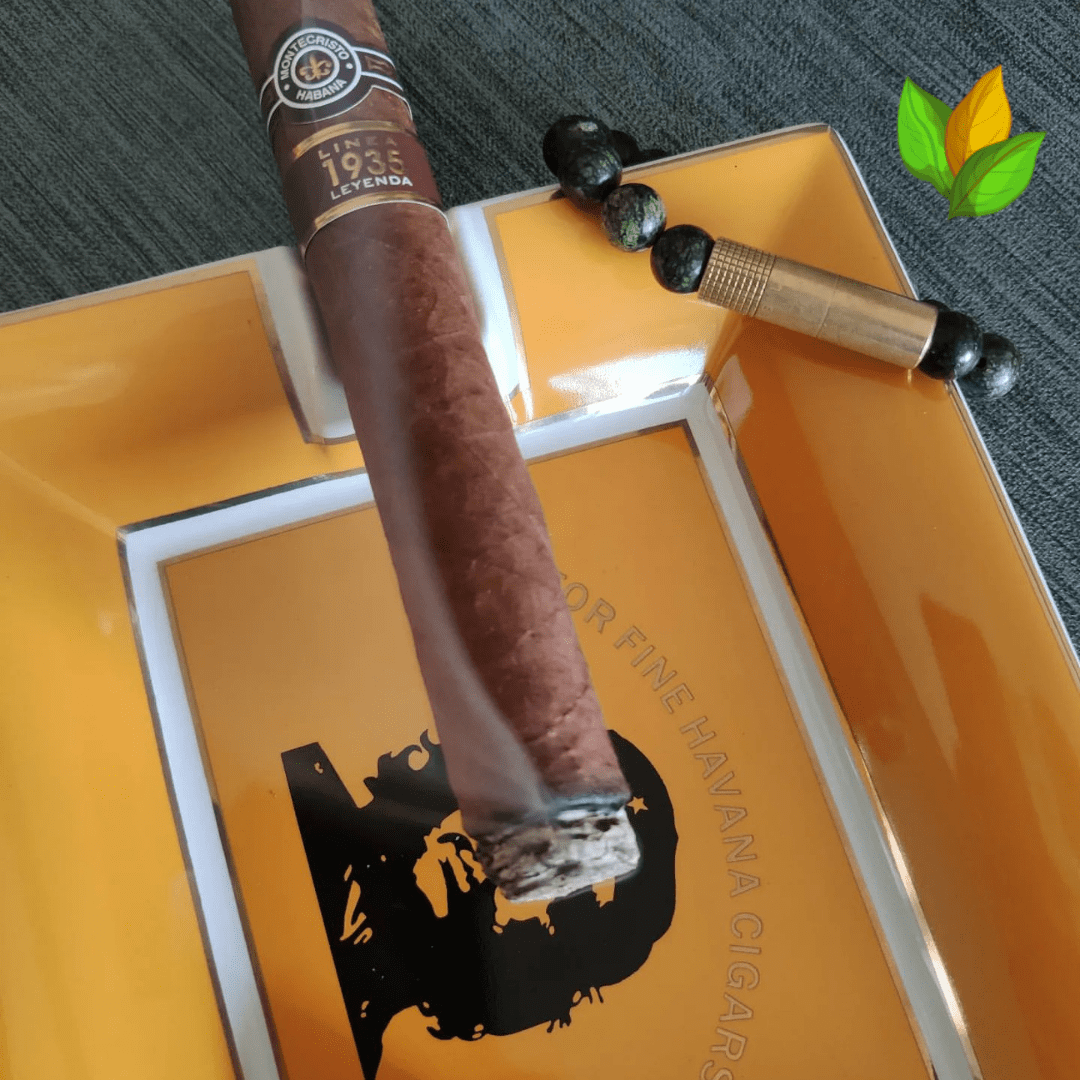
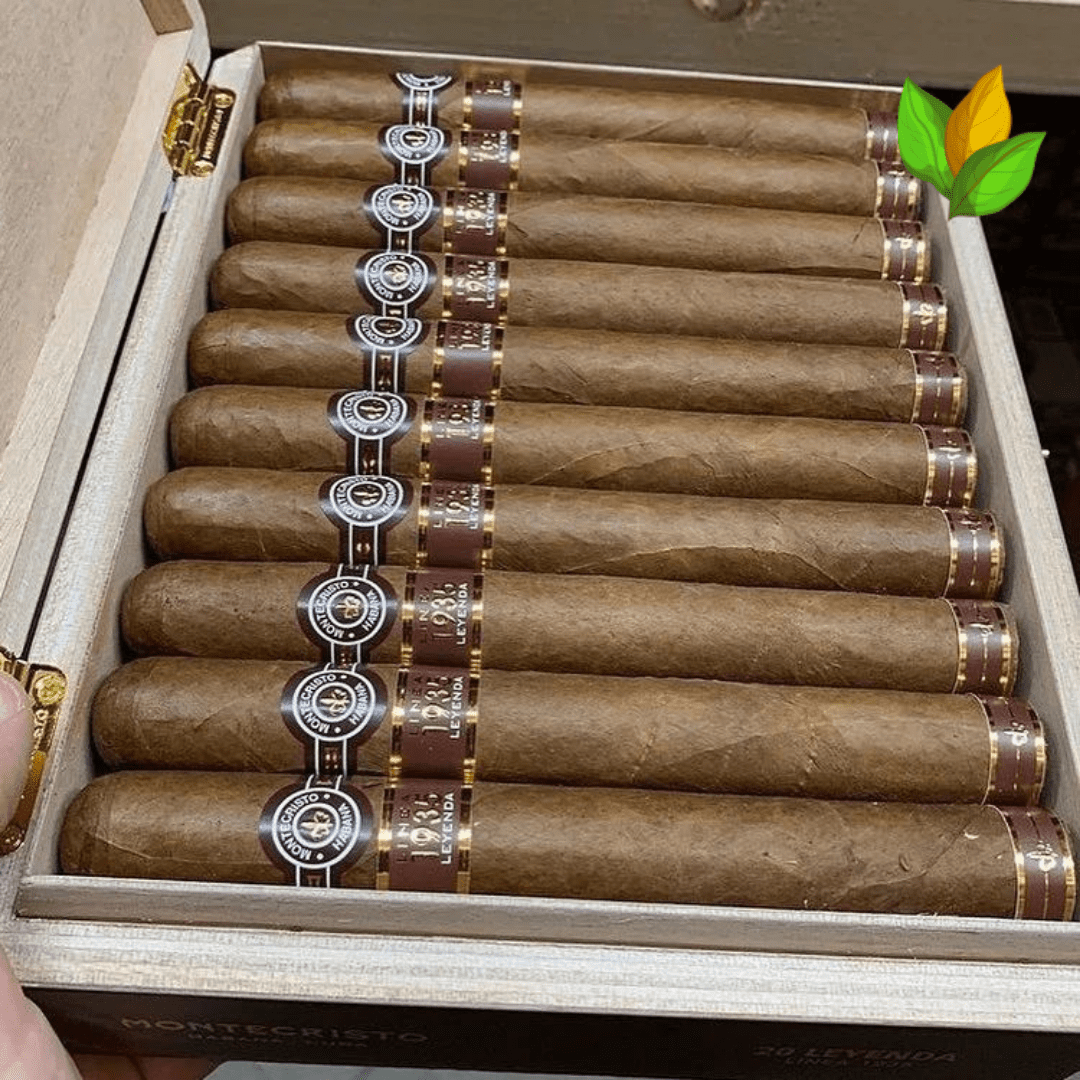
The first thing you notice is how this cigar commands attention. The wrapper is darker than traditional Montecristo offerings – a rich Carmelite brown that borders on maduro territory without crossing that line. It’s got an almost leathery texture that feels substantial under your fingertips, with minimal veins and a silky finish that suggests careful fermentation.
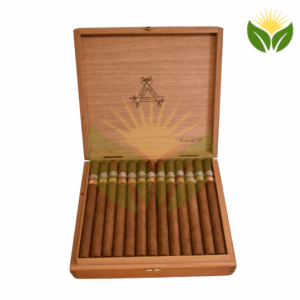
What really sets it apart is the triple band system. Beyond the classic Montecristo band, there’s a second band clearly marking “Leyenda,” and most unusually, a third protective band around the foot. I’ve seen this approach on some Davidoff releases, but it’s rare for Cuban cigars. The attention to detail here signals that Habanos knew they were launching something special.
The construction feels rock-solid. There’s no soft spots when you gently squeeze along the barrel, and the cap is beautifully applied with clean, tight seams. The weight distribution is perfect – you can feel there’s serious tobacco density here without it being overpacked. This is clearly the work of experienced torcedores who understand that a full-strength blend requires different construction techniques than the typical Montecristo profile.
Flavor Profile: A Journey Through Intensity
Opening Third: Bold Introductions
Right from the first draw, you know this isn’t your grandfather’s Montecristo. The initial notes hit with oak and baking spices – think cinnamon and white pepper – that immediately announce this cigar’s serious intentions. There’s a woody foundation that reminds me more of what you’d expect from a Partagás, but with a cleaner, more refined delivery.
The retrohale in this section is intense but not harsh. You get waves of black pepper and cedar, with hints of dark chocolate beginning to emerge around the fifteen-minute mark. The strength builds gradually but persistently – this is definitely full-bodied territory, marking a historic first for the Montecristo línea.
Middle Third: Sweet Complexity Emerges
This is where the cigar really finds its rhythm. Those initial bold oak notes begin to integrate with sweeter elements – hints of honey and what I can only describe as candied apple. It’s an unexpected combination that shouldn’t work but absolutely does. The leather notes become more prominent here, accompanied by dried fruit characteristics that add depth without overwhelming the core strength.
Around the halfway point, subtle vanilla and coconut notes start appearing on the finish. These tropical hints are fascinating given that we’re dealing with traditional Cuban tobacco from the Vuelta Abajo region. The complexity here rivals anything I’ve experienced from premium Cuban cigars, including some of the limited release series from other marcas.
Final Third: Salty Sophistication
The final portion brings everything together with a distinctly salty finish that’s become a signature of well-aged Cuban tobacco. The strength remains consistent – never overwhelming, but definitely demanding respect. Those leather and dried fruit notes from the middle section evolve into something more mineral-driven, with occasional flashes of the original oak and spice combination.
What impressed me most in this section was how clean the finish remained. Despite the full strength, there’s no harshness or bitterness. The burn stayed even throughout, and the ash held solidly in inch-and-a-half segments. This level of construction quality is what you expect to pay premium prices for, and it delivers.
Perfect Pairings
Given the intensity and complexity of the Leyenda, drink selection becomes crucial. My personal preference is a well-aged rum – specifically something like Diplomatico Reserva Exclusiva or Zacapa 23. The vanilla and caramel notes in aged rum complement those candied apple and coconut elements beautifully without competing with the tobacco’s strength.
For whiskey lovers, I’d recommend a Highland Scotch rather than an Islay – the peat would clash with those delicate honey notes. Something like Glenfiddich 18 or Macallan 15 provides enough complexity to match the cigar without overwhelming it. If you’re a bourbon person, stick to wheated varieties like Maker’s Mark 46.
Coffee pairings work exceptionally well, particularly a dark roast Colombian or Guatemalan single-origin. The coffee’s acidity cuts through some of the richer elements while enhancing the chocolate undertones. For wine enthusiasts, a full-bodied Cabernet Sauvignon from Napa Valley or a well-structured Barolo would complement the leather and dried fruit characteristics perfectly.
Who Should Smoke This Cigar
This isn’t a beginner’s cigar, and Habanos doesn’t pretend otherwise. The full strength and complex flavor development require some experience to fully appreciate. I’d recommend at least two years of regular cigar smoking before tackling the Leyenda, preferably with exposure to other full-bodied Cuban marcas like Partagás or Bolívar.
It’s perfect for special occasions when you have 90 minutes to dedicate to the experience. This isn’t a quick smoke or something to rush through during a lunch break. The complexity rewards patience and attention, making it ideal for contemplative evenings or celebrations that deserve something truly memorable.
For collectors, the Leyenda represents an important milestone in Montecristo’s evolution. It’s the first time the marca has truly embraced full strength, making it historically significant beyond just its smoking qualities. I expect these will age beautifully and become increasingly sought-after as word spreads about their quality.
Cutting and Lighting Technique
With the 55 ring gauge, you want a clean, straight cut about 2mm from the cap. I prefer using a sharp guillotine cutter rather than a punch or V-cut for this vitola – the larger ring gauge benefits from maximum draw openness given the tobacco density. Make sure your cutter is sharp; a ragged cut will compromise the draw and potentially cause wrapper issues.
For lighting, take your time with the foot preparation. The protective third band actually makes this easier by providing a clear lighting boundary. Use a butane torch rather than matches – you want even heat distribution across that substantial ring gauge. Toast the foot evenly for 30-45 seconds before taking your first draws.
Given the full strength, pace yourself. I recommend draws every 45-60 seconds rather than the quicker pace you might use with milder cigars. This allows the flavors to develop properly and prevents overheating, which would kill those delicate honey and vanilla notes that make this cigar special.
Storage and Aging Potential
Store these at 65-68% relative humidity and 65-68°F temperature. The slightly lower humidity than some Cuban cigars prefer helps preserve the wrapper’s oils and prevents the full-bodied blend from becoming too soft. I use Boveda 65% packs in my humidor specifically for stronger Cuban cigars like this.
The aging potential here is exceptional. Based on the tobacco quality and construction, I expect these to improve significantly over 3-5 years of proper storage. The strength will mellow slightly while the complex flavors integrate and develop additional nuances. If you can afford to buy a box, I’d recommend smoking one now and putting the rest away for future enjoyment.
For optimal aging, store them in their original box within your humidor. The wood helps regulate moisture and allows for slower, more even aging than storing individual cigars loose. Check our guide on proven preservation techniques for detailed storage recommendations.
Authentication Guide
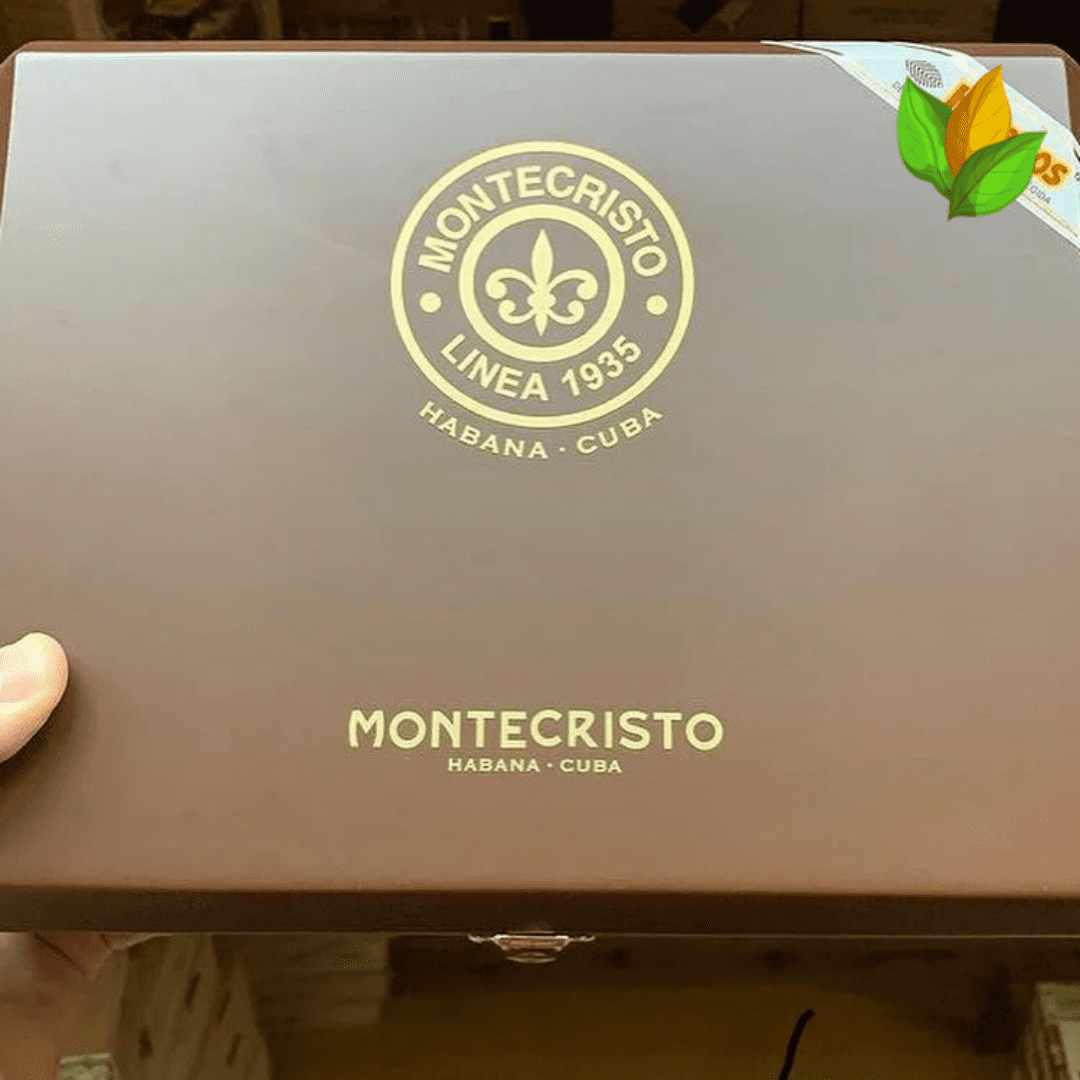
Given the premium pricing and limited availability, counterfeits are unfortunately common. Authentic Leyenda cigars have three specific bands: the traditional Montecristo band, a second band clearly marking “Leyenda,” and a unique protective band around the foot. All bands should have crisp printing with no bleeding or smudging.
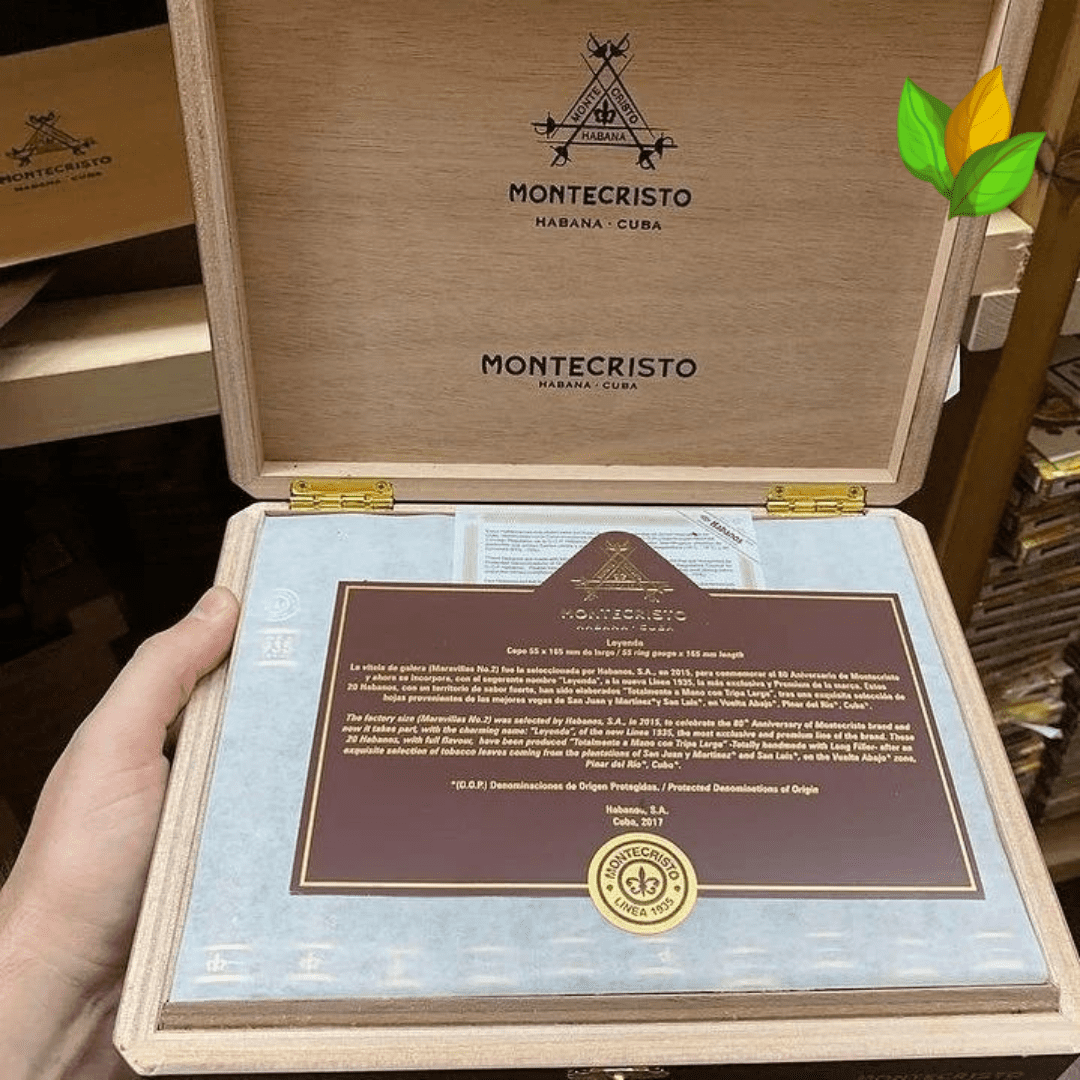
The box should include proper Habanos warranty seals and authentication stickers from authorized distributors like Intertabak or Cuba Cigars. The cigars themselves should feel substantial but not overpacked, with consistent construction across all cigars in the box. The wrapper should have that distinctive Carmelite color – not too dark, not too light.
Purchase only from reputable sources with established authentication procedures. The price point alone – typically $35-45 per cigar – should raise red flags if someone’s offering them significantly cheaper. When in doubt, compare with verified authentic examples or consult with experienced Cuban cigar retailers who understand the specific characteristics of this release.
Frequently Asked Questions
How does the Leyenda compare to other full-strength Cuban cigars?
The Leyenda offers more complexity and refinement than traditional full-strength Cuban marcas like Partagás or Bolívar. While those cigars rely heavily on earth and leather notes, the Leyenda incorporates sweeter elements like honey and candied apple that create a more sophisticated flavor profile. It’s full strength with Montecristo elegance – something that hasn’t existed before in the Cuban cigar world.
What makes this different from regular Montecristo cigars?
This is Montecristo’s first full-strength blend, representing a complete departure from their traditional medium-bodied profile. The tobacco selection, fermentation process, and aging are all different from classic Montecristo líneas. Where traditional Montecristo cigars focus on elegance and refinement, the Leyenda adds power and intensity while maintaining that signature smoothness. Learn more about Cuban cigar production methods to understand these differences.
How long should I age these cigars before smoking?
They’re excellent to smoke immediately, but will develop additional complexity with 6-12 months of proper humidor storage. For optimal development, 2-3 years of aging will allow the strength to integrate better with the complex flavor elements. The high-quality construction means they’ll continue improving for 5+ years if stored properly.
Are these worth the premium price compared to other Cuban cigars?
At $35-45 per cigar, they’re definitely in premium territory, but the quality justifies the cost. The construction, tobacco selection, and unique flavor profile represent significant innovation for Montecristo. Compared to other limited or special releases from Cuban manufacturers, the pricing is consistent with the quality level. For special occasions or serious collectors, they offer value that standard production cigars simply can’t match.
What’s the best time of day to smoke a Leyenda?
Given the full strength and 90-minute smoking time, these are best enjoyed in the evening after a substantial meal. The intensity can be overwhelming on an empty stomach, and you want adequate time to appreciate the complex flavor development. Weekend afternoons also work well if you’ve had lunch and can dedicate the full time needed. For more guidance on timing and technique, check out our comprehensive smoking guide.