
Description
You ever had one of those nights where the air feels just a little bit thinner, the city lights look a little bit brighter, and you realize you’re exactly where you’re supposed to be? I had one of those last month. It was my tenth wedding anniversary, and my wife and I were sitting on a rooftop bar overlooking the skyline. The wind was low, the jazz was soft, and I was feeling—honestly—just incredibly grateful. Grateful for the decade behind us, sure, but mostly grateful for the quiet moment of peace in a world that usually moves way too fast.
I’m the kind of guy who marks a milestone with a long smoke. I don’t want a twenty-minute Robusto when I’m reflecting on ten years of life. I want something that demands my time. I reached into my travel humidor and pulled out something I’d been sitting on for a while. I needed a companion that could keep up with the conversation and the view. I needed something with some age, some wisdom, and a bit of a story.
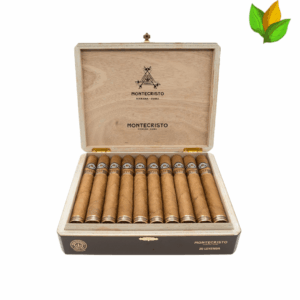
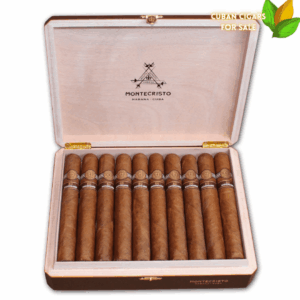
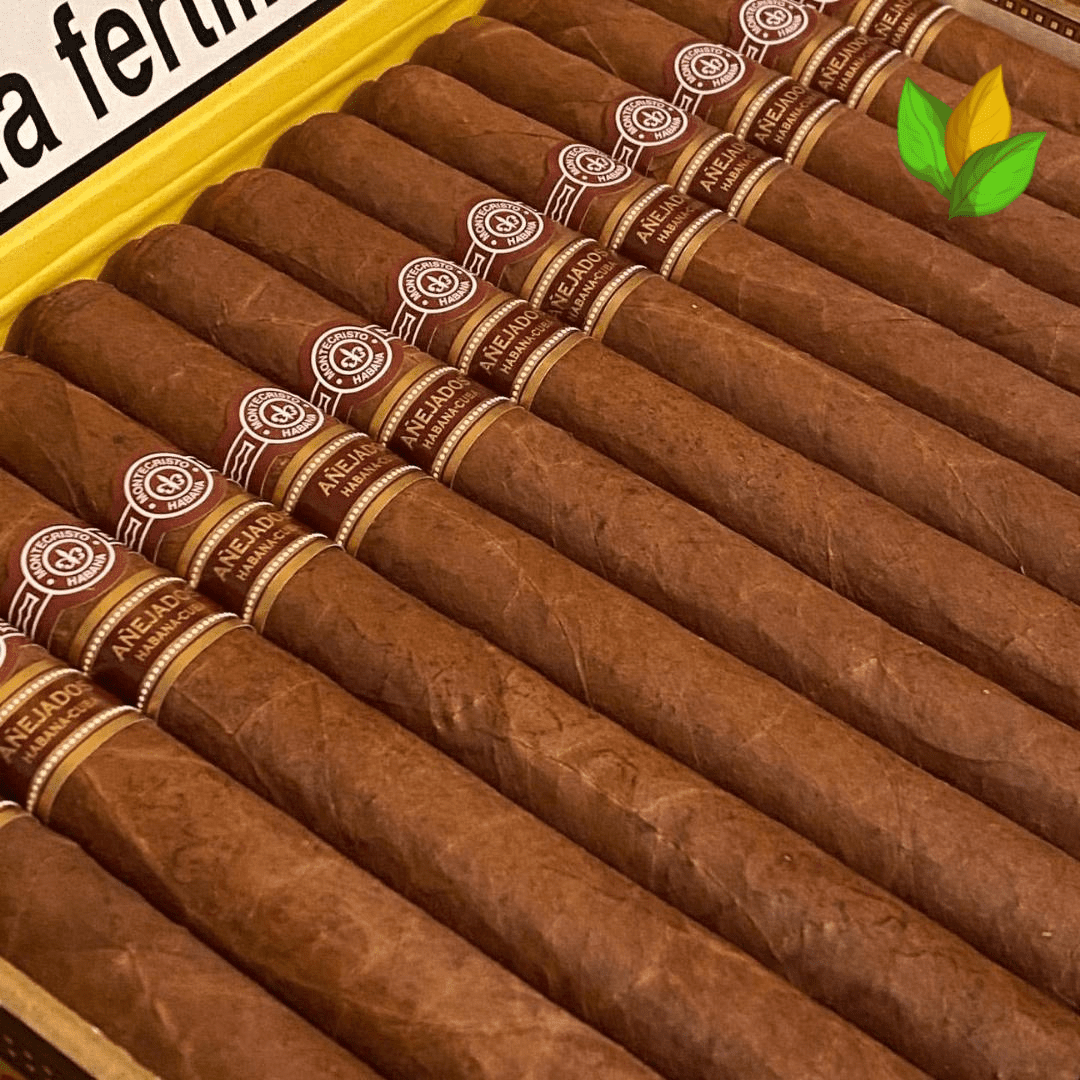
That smoke? The Montecristo Churchill Añejados. It’s a Cuban stick that doesn’t just show up to the party; it waits until the party is worth showing up for. I remember looking at the dual bands—that classic Montecristo brown and the gold Añejados secondary band—and thinking, “Yeah, this is the one.”
The Specs
Before I get into how this thing actually performed while I was watching the sunset, let’s look at the vitals. This isn’t your standard production Monte. This is part of the Habanos S.A. “Añejados” (Aged) line, meaning these cigars were rolled, tucked into their boxes, and left to sleep in Cuba for anywhere from five to eight years before they ever saw the light of day.
| Attribute | Details |
|---|---|
| Factory Name | Julieta No. 2 |
| Commercial Name | Churchill |
| Length | 178mm / 7 inches |
| Ring Gauge | 47 |
| Origin | Cuba (Vuelta Abajo) |
| Wrapper/Binder/Filler | Cuban (Vuelta Abajo) |
| Strength | Medium |
| Smoking Duration | 90 – 120 minutes |
Construction: The Feel of Time
When I pulled the Churchill out of my case, the first thing I noticed was the wrapper. It’s a dark, Colorado-maduro shade of brown, and it has this subtle, oily sheen that tells you the tobacco has been well-kept. Now, because these cigars sit in their dressed boxes for years before they’re even banded, they develop what I call a “soft box-press.” It’s not a sharp, intentional square press like you see on some Nicaraguan sticks; it’s more of a gentle flattening that happens when cigars live together in a tight space for nearly a decade. It feels comfortable in the hand—substantial but not bulky.
I ran my thumb down the length of it. There were a few visible veins, which is pretty standard for Cuban leaf, but the roll felt solid. No soft spots, no lumps. I gave the cap a clean straight cut, and the pre-light draw was exactly what I was hoping for. It had that classic “Cuban twang”—a mix of hay, cedar, and a weirdly specific caramel sweetness. I’ve heard some guys say it smells like a barnyard, and I get that, but to me, it just smells like tradition. I sat there on that rooftop, torch in hand, and took a second just to appreciate the craftsmanship before the flame even touched the foot.
The First Third: The Greeting
Lighting a seven-inch cigar is a ritual. You can’t rush it. I toasted the foot slowly, watching the edges glow, and took my first few puffs. Right out of the gate, I got hit with a wash of cream and honey. It’s a soft start, very approachable. There’s a sweetness there that reminded me of bubblegum—not the artificial stuff, but that sugary, powdery scent you get when you first open a pack. It’s subtle, though, backed up by a solid foundation of earth and toasted bread.
About an inch in, a bit of cedar started to peek through. The smoke output was thick and velvety, hanging in the air around me like a light fog. My wife even commented that it smelled “actually pleasant,” which, if you know her, is a high compliment for a cigar. The retrohale was where the magic happened. I got a little bit of a honey tang and just a tiny, tiny bite of white pepper. It wasn’t aggressive; it was more like a polite reminder that there was some strength behind the age.
The Second Third: The Heart of the Matter
As we moved into the second third, the sun had fully set, and the rooftop heaters kicked on. The cigar started to evolve, moving away from that initial honey sweetness and toward something a bit more grounded. The earthiness ramped up, and I started picking up notes of leather and what I can only describe as “grainy.” It felt like a piece of high-quality rye bread—savory, a little salty, and very satisfying.
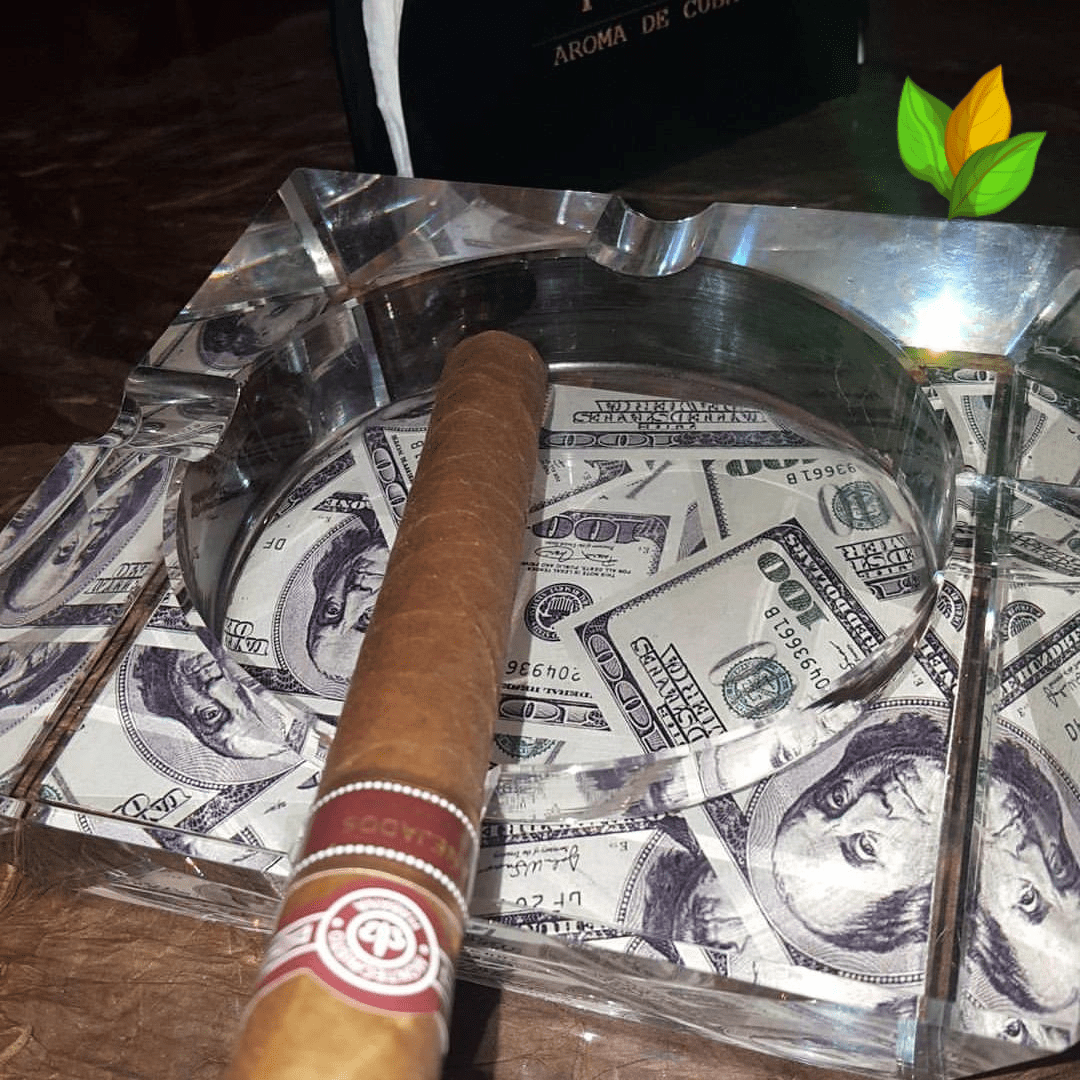
The construction held up beautifully. The ash was a light grey, holding on for nearly two inches before I decided to tap it off into the crystal ashtray. The burn line stayed remarkably straight, which isn’t always a guarantee with Cubans, but the extra aging seems to have stabilized the leaves. I noticed a shift in the flavor profile toward the middle of the stick—a distinct mushroom-like muskiness that you only really find in aged tobacco. It’s that “forest floor” vibe. Some people might find it odd, but for me, it’s the hallmark of a cigar that’s had time to mellow and marry its oils.
The Final Third: The Deep Dive
By the time I hit the final two inches, we were deep into our second round of drinks and some serious life talk. The Montecristo was still going strong, but it had shed most of its sweetness. Now, it was all about cedar, sawdust, and a bit of coriander spice. The leather undertones became the dominant player, and there was a slight bitterness—not the “I need to put this down” kind of bitterness, but more of a charred wood bite that added some gravity to the finish.
The strength stayed at a solid medium. It never tried to knock me off my chair, which I appreciated. In a Churchill vitola, if the strength ramps up too much toward the end, it can get overwhelming. But this Añejados stayed refined. It mellowed out even as the flavors darkened. I smoked it right down to the nub, until my fingers were starting to feel the heat. I didn’t want it to end, mostly because it meant the night was winding down, but also because the flavor journey was just so consistent.
The Pairing: What to Sip
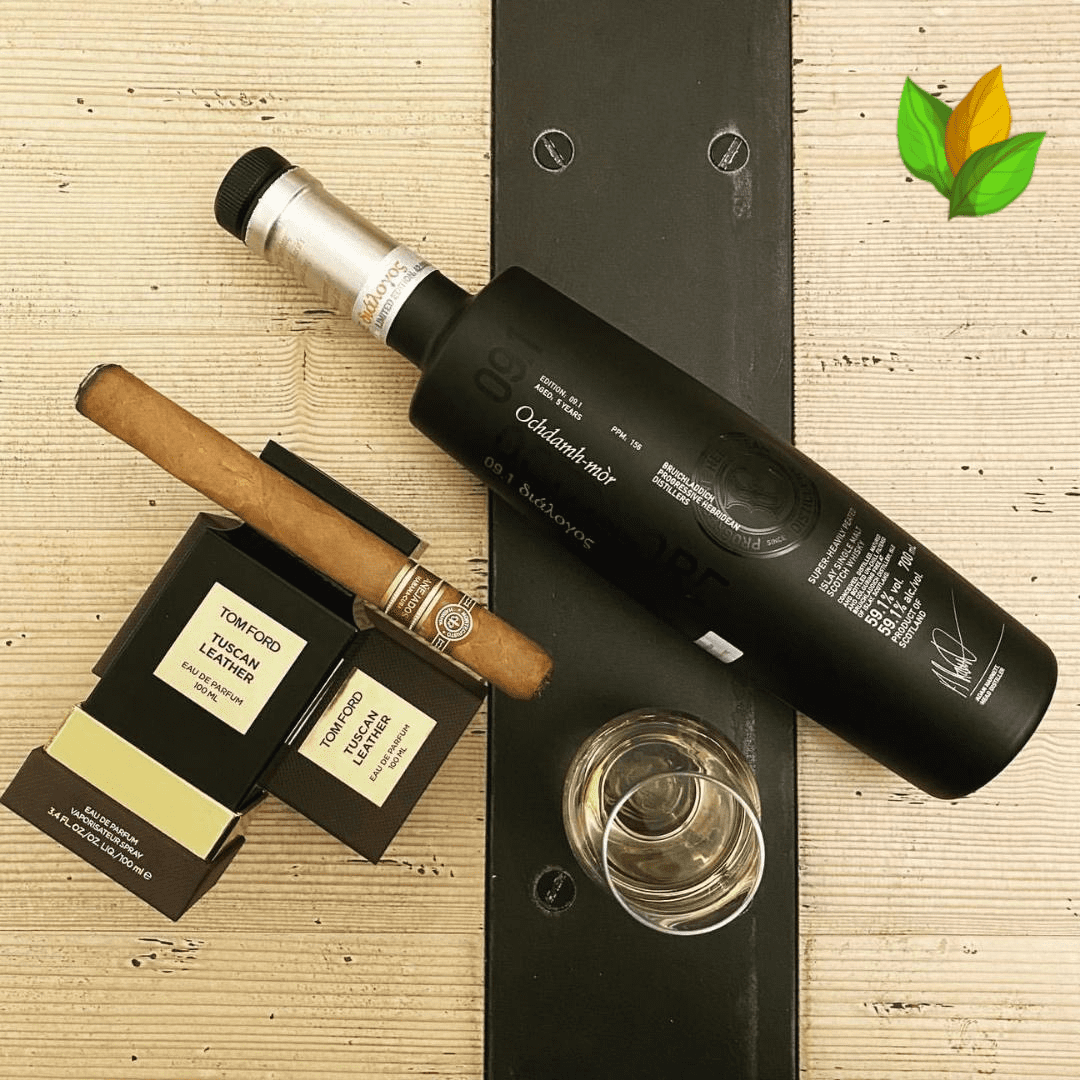
On that rooftop, I was sipping a 12-year-old Cuban rum, neat. I gotta tell you, it’s the natural partner for this cigar. The molasses sweetness of the rum plays off the cedar and earth of the Montecristo like they were made in the same room. If you’re not a rum person, a light, creamy coffee would be my second choice. You want something that complements the creaminess of the first half without masking the delicate mushroom notes of the second half. Avoid anything too peaty or overly bitter; you don’t want to drown out the nuances that eight years of aging worked so hard to create.
Functionality & Value
Look, let’s be real. These aren’t cheap. You’re paying for the brand, you’re paying for the Cuban soil, and you’re paying for the fact that someone else did the work of aging them for you. Is it worth it? If you’re a guy who values complexity over raw power, then yes. This isn’t a cigar you smoke while you’re mowing the lawn or working on the car. This is a “special occasion” stick. It’s for when you have two hours to kill and something to think about.
The Añejados concept is solid because it takes the guesswork out of aging. Usually, when you buy a box of Cubans, you have to play the “wait and see” game. With these, the work is done. You’re getting a cigar that has reached its maturity. The flavors have melded, the harshness is gone, and you’re left with a very “adult” smoking experience.
The Verdict
I left that rooftop feeling full—not just from the dinner, but from the experience. The Montecristo Churchill Añejados was the perfect witness to that anniversary. It’s a refined, complex, and deeply satisfying smoke that rewards you for taking your time. It’s not flashy, it’s not a “pepper bomb,” and it’s not trying to prove anything. It just is what it is: a well-aged, well-constructed piece of Cuban history.
If you find a box of these, grab a few. Save them for a night when the world slows down, the company is good, and you have something to be grateful for. You won’t regret it.
Final Thoughts: A solid, medium-bodied journey that proves some things really do get better with age. It’s a long commitment, but for the right moment, it’s exactly what the doctor ordered.