
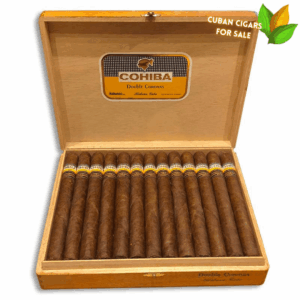
“Cohiba Double Corona Limited Edition 2003 VINTAGE” has been added to your cart. View cart
34Products Found
The Essence of El Laguito
A history of Cuban cigars cannot be recounted without first taking a deep breath — prefereably through the mouth and exhaling from the nose — of that heady, almost sickly sweet scent of fermenting tobacco that sticks to the yellow-washed walls of El Laguito factory. Try to picture a humid morning in Havana, the air redolent with the scent of cedar and the steady thwap of chavetas clacking against wood tables.
The metamorphosis of a plain leaf into an international symbol commences here, not with a machine but with the dexterous hands of maestro torcedores (master rollers). To hold one of these cigars is to hold a piece of history; they were a state secret, a smoke so clandestine that it was never sold, only given as gifts by heads of state to the most powerful people in the world.
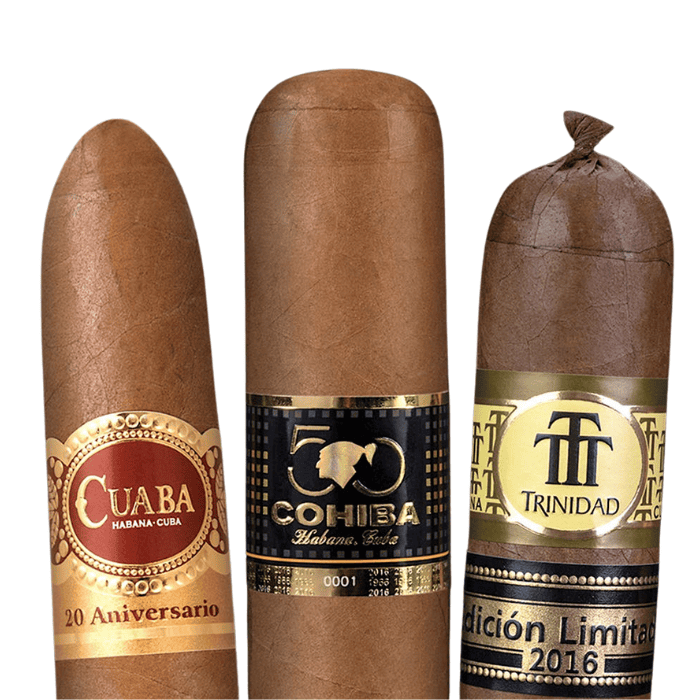
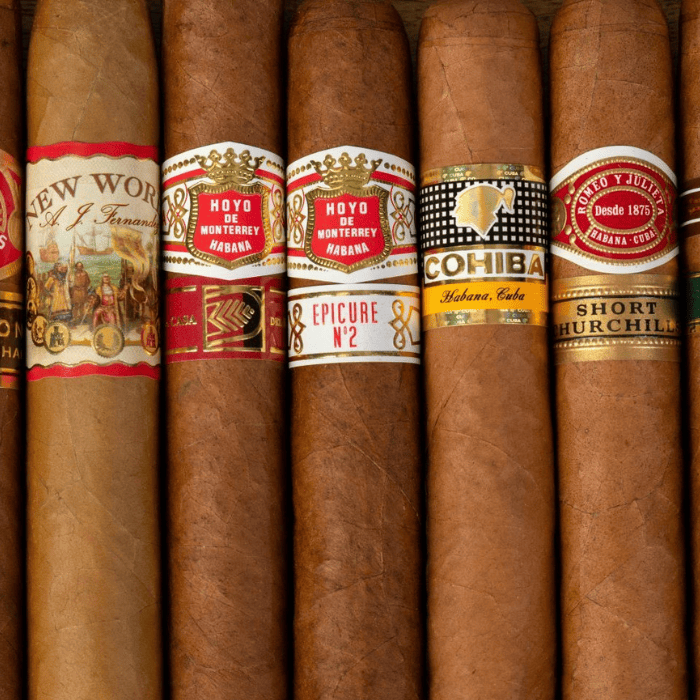
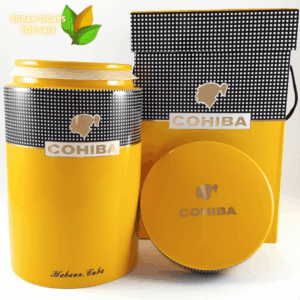
The presentation is as beautiful as the smell. The band’s signature design—a large grid of white squares on a black background (and a final, vibrant yellow square at the very top)—is an unmistakable calling card to those in the know about luxury. It is an artful indulgence in a tradition that reaches back through time and spans cultures around the world. This is a marque that does not simply adhere to traditions of the Vuelta Abajo, it creates them and leaves a level of quality that every other cigar in the world is measured by.
Heritage & History
Founded in the mid 1960s The Cohiba, like so many of today’s Habanos cigar brands, finds its origin in pre-revolutionary Cuba. Allegedly offered to El Commandante at cigar-point in 1987, a personal blend of hand-rolled cigars were made for one of Fidel Castro’s bodyguards by local tobacco Santa Clara went home with a treasured dozen or so sticks of ‘Santa Clara’s finest’, rolled by the hands of artisan Eduardo Rivera.
Charmed by the smell, Castro asked for a sample and was immediately struck by its higher quality and complexity. By 1964, a small and secretive production facility had been established in an old country club on the outskirts of Havana to make this particular cigar solely for Cuban officials and foreign dignitaries. The brand was not formally named until 1966, when the ancient Taíno word for the bundles of tobacco leaves that island natives smoked — a term would be used to classify Cuban cigars as those rolled with only high-quality tobacco from the island itself.
For its initial fifteen years, the brand was a mystery to everyone other than the press. It was the ultimate diplomatic currency — exchanged in only the most rarefied quarters of government. 1982 brought the official international launch, coinciding with the World Cup in Spain and at last exposing the global market to what had been Cuba’s best-kept luxury secret. Since that time, the brand has expanded from a single private blend line into a veritable portfolio of releases touching on moments like the 1989 debut of the Línea Clásica or 1992’s Siglo series for the 500th anniversary of Columbus’ arrival in the New World.
The Tobacco
What makes Cohiba stand apart from the rest of the pack is the “selection of the selection.” The tobacco comes only from the five best Vegas de Primera (first class fields) in the San Juan y Martínez and San Luis zones of the Vuelta Abajo region. Only the very best leaves make it to the El Laguito factory. But the magic comes in during fermentation. Most hand-made cigar makers use two fermentations, but this brand runs a special third previous fermented in oaks barrell of the Seco and Ligero leaves.
This extra process cleanses the smoke and keeps the profile smooth, delivering a smoke that can’t be copied.
The construction is equally meticulous. Wrappers are selected for their elasticity and luster, indicating perfect aging, which is frequently a reddish-golden color. The binders filler tobaccos are carefully matched to compliment any cigar that needs a smooth, and slow burning element. This dedication to the source material means every cigar features a unique "grassy" note along with the creamy texture those who savor Tatuaje have grown accustomed to.
Signature Lines & Vitolas
The brand is divided into a number of lines, each providing its own take on the Cuban terroir. The Línea Clásica is the core of the line, which includes The legendary LANCEROS – a long, elegant cigar that was the Cuban commander’s favourite. In this line the Esplendidos and the Robustos are still one of most desired cigars in the world, recognized by their strength and richness. The Línea 1492 (also known as the Siglo series) profile is a bit more restrained.
The 2002-release Siglo VI is probably the most iconic of this bunch, and was loved for its impressive girth and richly evolving flavor.
For fans of a little more intensity, the Maduro 5 line, which features wrappers aged for five years to provide a dark, chocolatey sweetness.
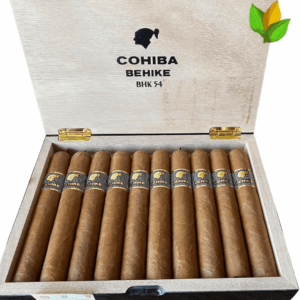
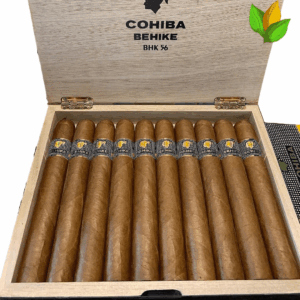
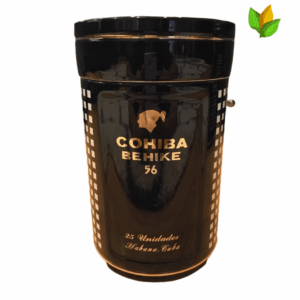
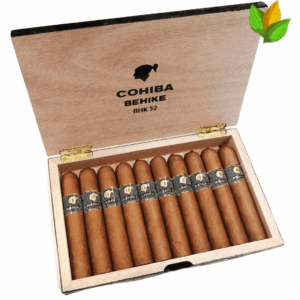
But the brand’s crowning glory may be seen (perhaps at least when its all said and dine) in its Behike (BHK)) line. These cigars include the ultra-rare medio tiempo leaf—those two, highest leaves of a sun-grown tobacco plant — that instill an unparalleled depth of flavor and strength. Whether it's the original Panetelas or a Gran Reserva limited sampler, each vitola is created to highlight a distinctive aspect of the master blender's craft.
Tasting Experience
A Cohiba is characterized by a taste that turns as much as the first light for a totally cut, letting to breathe progressive gust bearing subtle woody and earthy notes finishing with creamy hints in its smoke trip. Initial notes can be grassy with some toasted nuts or a bit of cream thrown in. The Body The body of the cigar continues to help adapt these woody flavors with deeper Hennessy-like undertones and a bit of honey, cedar, and faint cocoa.
The body is usually medium-full however it is so well balanced that your palate never struggles under its weight. The finish is long, clean and the sweet notes are so nice you’ll want another puff!
To properly sip such a complicated smoke, you have to be mindful of the setting in which it is enjoyed. This is a cigar for contemplation or celebration, if you prefer. It also makes a perfect match for mature rums from Cuba, whose sweet honeyed notes are echoed in Diplomático by vanilla and caramel characteristics or rich dark roasted espresso which echoes its black coffee nuances. Vintage Cognac or a big Highland Scotch hold up well with such bold vitolas as the Siglo VI or Behike."
Cohiba is eternal; there are no shortcuts to excellence or its own world. These cigars are the pinnacle of viticulture and artisanship, for the collector who's on a journey or for anyone who just loves super exclusive tobacco. They are not just manufactured objects: they carry a cultural heritage that attracts today, worldwide, the interest of smokers. To touch this small collection is to walk straight into the very heart of Habana, so it’s no wonder that Cohiba is still the most elite name in cigar smoking.