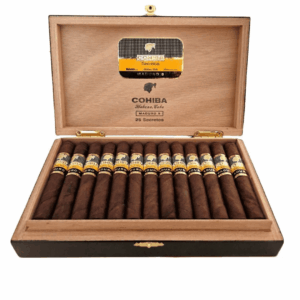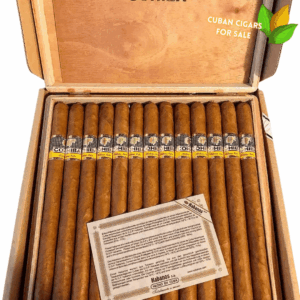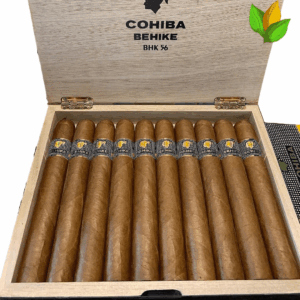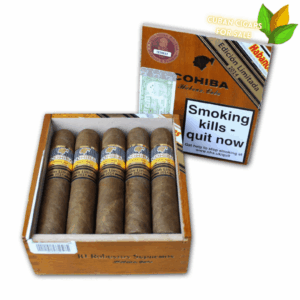

Description
markdown
I remember the salt air most of all. It wasn’t the refreshing, postcard-perfect breeze you see in travel brochures; it was heavy, thick with the scent of diesel fuel and old bait. I was sitting in the cramped cabin of a beat-up 22-footer off the coast, watching the sky turn a bruised shade of purple. Then, the sky just opened up. Not a drizzle, but a real tropical hammer-down that turned the world gray and blurred the horizon into nothingness. I was stuck. The engine was fine, but visibility was zero, and there’s no point in fighting the Atlantic when she’s in a mood.
I huddled under a weathered canvas tarp that smelled like twenty years of mildew, listening to the rhythmic thwack-thwack of rain hitting the fiberglass hull. It’s funny how a situation like that forces you to just… be. You can’t check your phone—no signal. You can’t keep fishing—you’ll get soaked to the bone. You just sit there with your thoughts. I reached into my travel humidor, my fingers brushing past some larger Churchills and wide-ring sticks that would have taken two hours to finish. I didn’t have two hours of patience, but I had plenty of reflection. I pulled out a slender, yellow-banded beauty. It felt right. In that cramped, wet space, I needed something that felt intentional. Something that tasted like history while I waited for the weather to break.
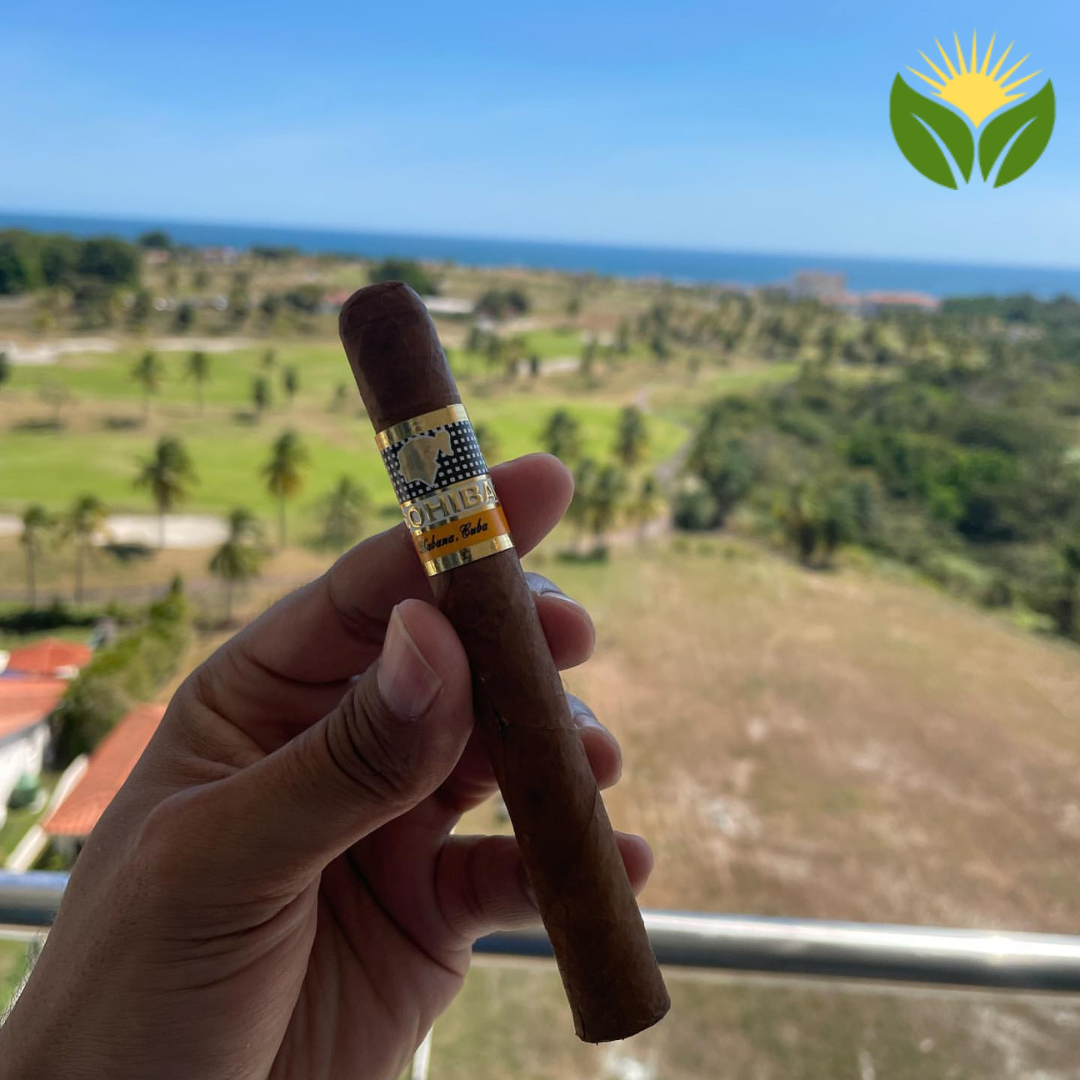
That smoke? The Cohiba Siglo II. It was exactly what the moment demanded.
The Specs
| Attribute | Detail |
|---|---|
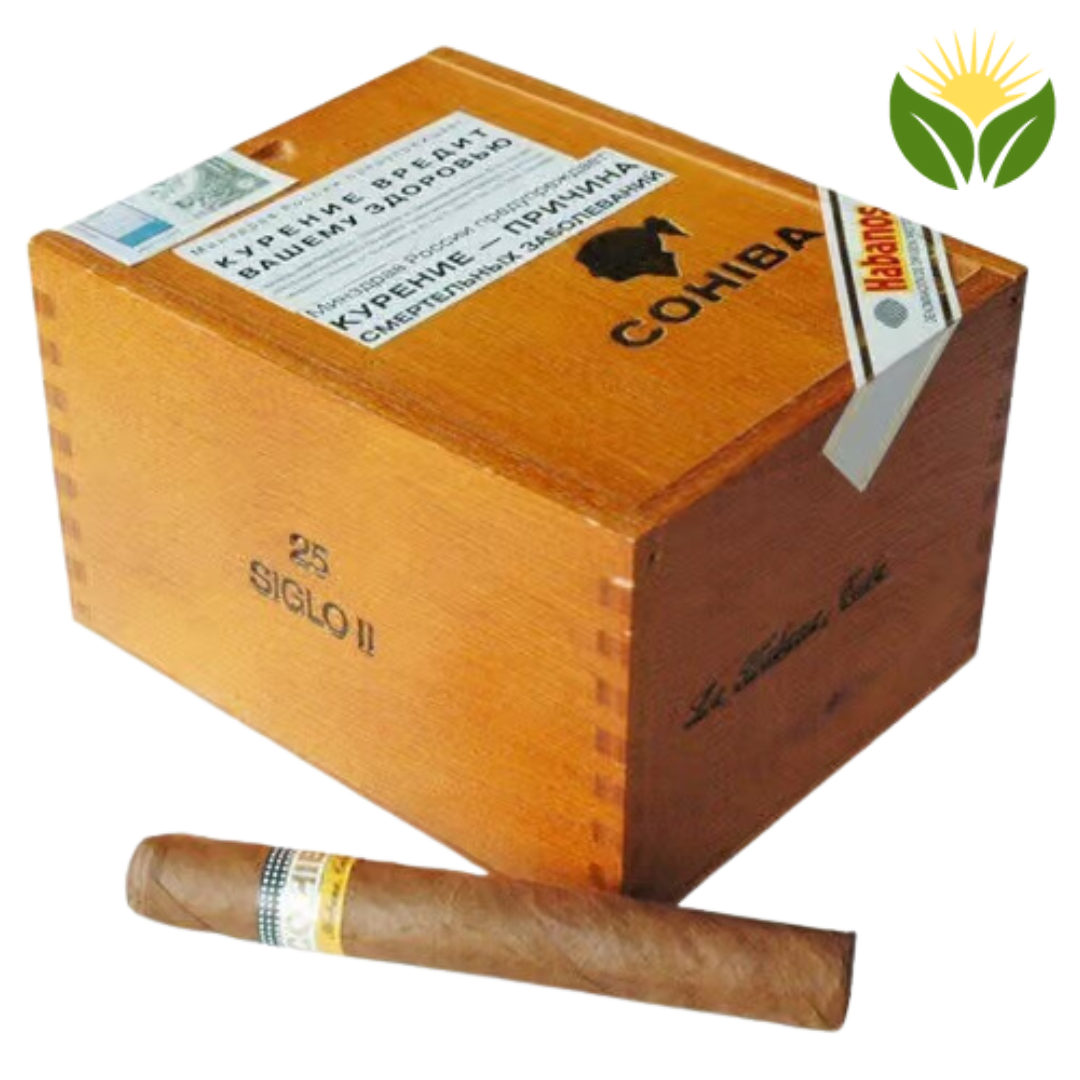
| Product Name | Cohiba Siglo II (Línea 1492) |
| Origin | Cuba (El Laguito Factory) |
| Vitola | Mareva (Petit Corona) |
| Length | 129 mm (5.1 inches) |
| Ring Gauge | 42 |
| Wrapper | Cuban Vuelta Abajo |
| Binder | Cuban Vuelta Abajo |
| Filler | Cuban Vuelta Abajo (Triple Fermented) |
| Strength | Medium |
First Impressions & Construction
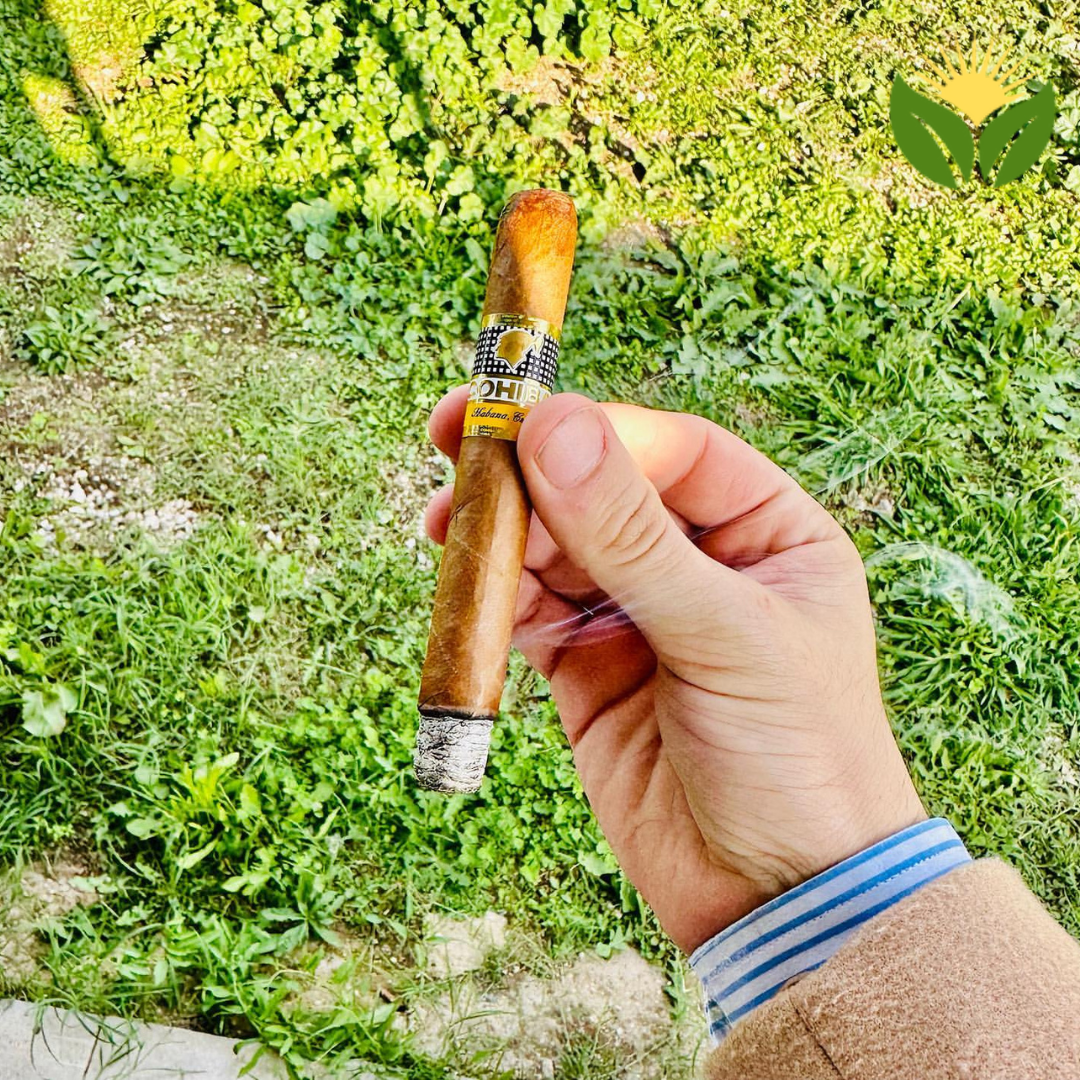
You ever hold something that just feels “correct” in your hand? That’s the Siglo II for me. It’s a Mareva—basically a Petit Corona—which is a size that doesn’t get enough love these days with everyone chasing those massive 60-ring gauge jaw-breakers. This thing is elegant. It’s got that classic Cohiba tan—a Colorado Claro wrapper that looks like toasted almond skin. There were a few fine veins, sure, but the roll was tight and uniform. No soft spots, no lumps. It felt solid, like it was packed with purpose.
I clipped the cap with a straight cut, and the pre-light draw was a dream. I got a hit of cold hay, a bit of sweetness that reminded me of dried grass in the summer, and just a tiny tingle of spice on the lips. Knowing this came out of the El Laguito factory gives it a bit of weight in your mind. They do that third fermentation in barrels there, and you can smell it in the raw leaf—it’s got this refined, funky aroma that screams “old world.” Sitting on that boat, sheltered from the rain, I toasted the foot slowly. The aroma of the first puff of smoke hitting that damp air was enough to make me forget I was shivering.
The First Third: The Awakening
The first few draws of a Siglo II are always a bit of a wake-up call. It’s not aggressive, but it’s present. Right out of the gate, I got a big plume of white smoke—surprising for a 42 ring gauge. The flavor was immediately “bright.” I’m talking white pepper and that signature Cuban grassiness. It’s clean. There’s no bitterness, just a zesty start that clears your palate.
About ten minutes in, while the rain was still drumming a frantic beat on the tarp, the pepper started to settle down. A bit of creamy sweetness began to creep in around the edges. It’s not a sugary sweetness; it’s more like honey on a piece of toasted cedar. The burn was dead-on straight, which I appreciated because the last thing I wanted to do in a cramped boat cabin was mess around with a lighter to fix a wonky edge. The ash was a light gray, holding firm for about an inch before I tapped it off into a plastic bait cup. Solid start.
The Second Third: Finding the Groove
This is where the Siglo II really earns its keep. As I moved into the middle of the stick, the profile shifted from “bright and zesty” to “rich and rounded.” The grassiness took a backseat, and in came the cocoa and vanilla. I gotta say, the texture of the smoke changed too. It felt thicker, almost oily on the tongue.
I sat there, leaning against the cold fiberglass, and I could taste hints of ginger and maybe a little bit of floral perfume. It’s a complex little thing. You don’t have to go hunting for these flavors; they just kind of present themselves as the cigar warms up. The woodiness—specifically cedar—became the backbone of the experience here. It’s a very balanced smoke. Nothing is fighting for dominance. It’s like a well-rehearsed band where everyone knows their part. I found myself slowing down, taking smaller puffs just to let that creamy caramel finish linger a bit longer. If you’re rushing a Siglo II, you’re doing it wrong. It’s a 35 to 45-minute experience, and every minute is meant to be chewed on.
The Final Third: The Build
As the burn line approached the band, the strength stepped up a notch. It never quite hits “full,” but it definitely moves into a solid medium-plus. The flavors got darker. The cocoa turned into more of a roasted coffee bean note, and the spice returned, but this time it was black pepper rather than white. It had more “oomph.”
The heat stayed manageable right until the very end. Sometimes these smaller vitolas can get hot and “squishy” in the last inch, but the Siglo II held its structural integrity. I got some toasted nut notes—think walnuts or roasted almonds—mixed with that persistent cedar. There was zero harshness. Even when I was down to the nub, it remained smooth. I think that’s the triple fermentation talking. It strips away the rough edges that you find in younger, less-pedigreed tobacco. I finally let it go when it started to singe my fingertips, dropping the nub into the water where it hissed once and vanished. By then, the rain had slowed to a light mist, and the sun was trying to poke through the clouds.
The Pairing
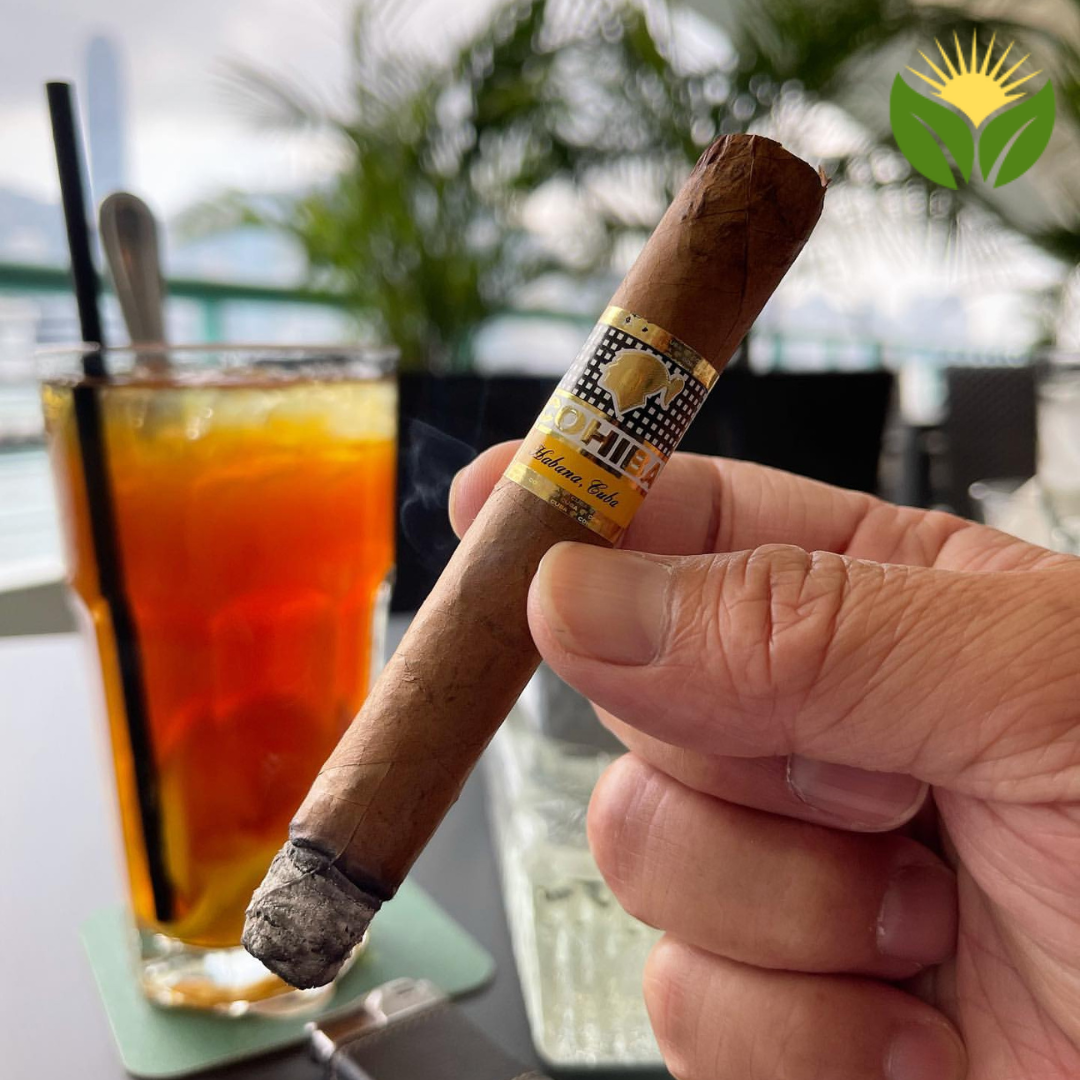
On the boat, I didn’t have a full bar, but I had a thermos of black coffee. Honestly? It was a match made in heaven. The bitterness of the coffee cut through the creamy sweetness of the cigar perfectly. If I were at home in my library, I’d probably reach for a glass of Havana Club 7-Year or maybe a light, floral Highland scotch. You don’t want something too peaty or smoky that’s going to drown out the subtle floral and honey notes of the Cohiba. Keep it simple. Let the cigar do the heavy lifting.
The Verdict
Look, there’s a lot of talk about the “Cohiba tax”—the fact that you’re paying a premium for that yellow and black band. And yeah, you are. But with the Siglo II, you’re also paying for consistency and a specific flavor profile that’s hard to find anywhere else. It’s the “Goldilocks” of the Siglo line for me. The Siglo I is a bit too short, and the Siglo VI is a commitment (and a massive hit to the wallet). The Siglo II is the one you can rely on.
It’s an accessible Cuban. If you’re new to the world of Habanos, this is a perfect entry point. It’s not going to knock you off your feet with nicotine, but it’s going to give you a masterclass in what “complexity” actually means in a cigar. For the veterans, it’s a dependable classic. It’s the cigar I grab when I don’t want to gamble on a new brand and I just want a “solid” win.
Is it a daily smoke? Probably not, unless you’ve got a much bigger boat than I do. But for those moments when you’re sheltering from the rain, reflecting on where you’ve been and where you’re going? It’s worth every cent. Just make sure you give them a few years in the humidor. I’ve found that 4-5 years of aging really lets that vanilla and cream come to the forefront. Straight out of a fresh box, they can be a bit “green,” but with patience, they become something truly special.
Final Thought: If you find a box, buy it. If you find a single, cherish it. Just don’t smoke it while you’re distracted. Give it the time it deserves, even if you’re stuck on a boat in the middle of a downpour.