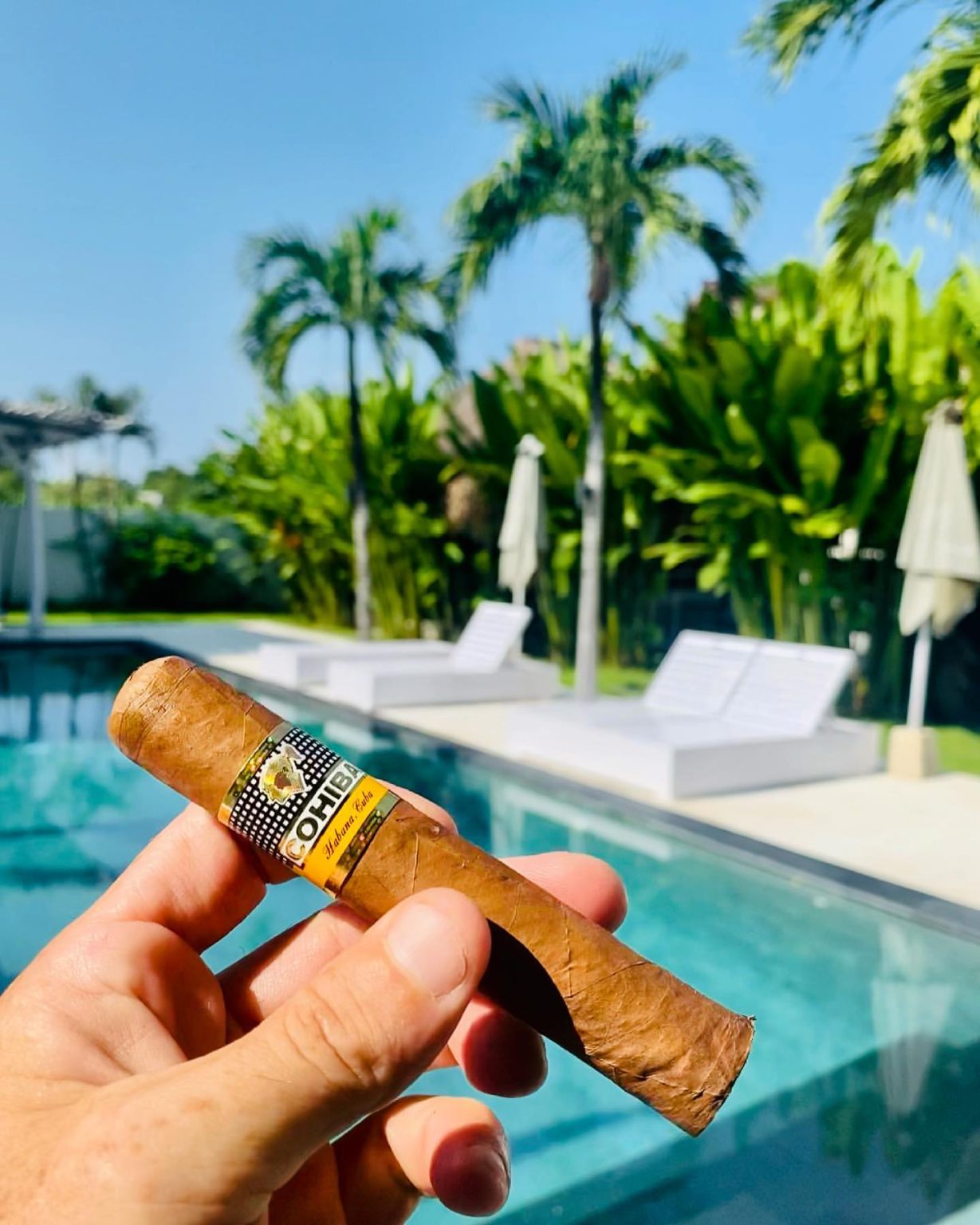
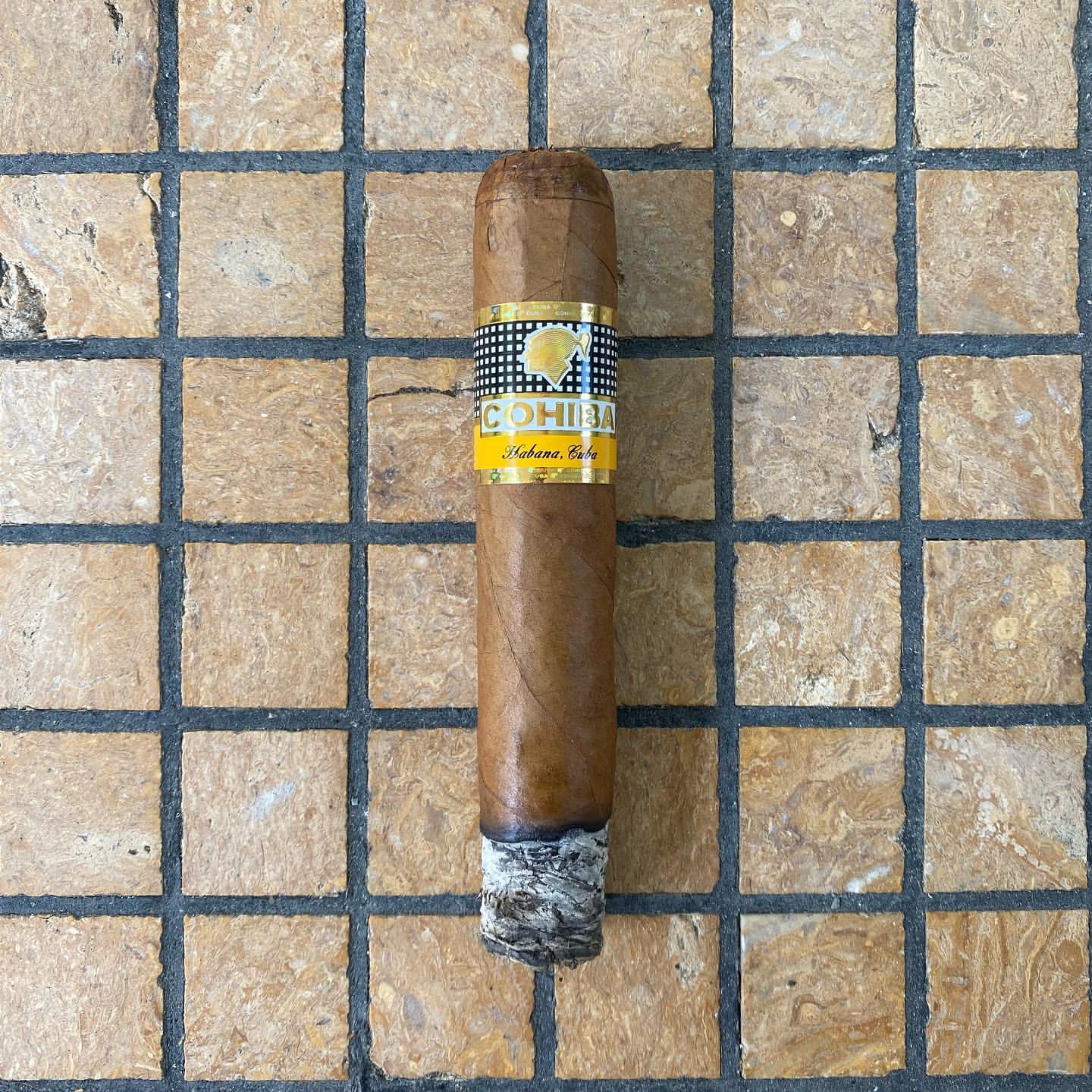

Description
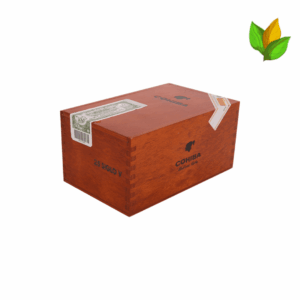
I’m sitting here on the 42nd floor of a glass-and-steel tower in Midtown, looking out at the Chrysler Building as the sun starts to dip behind the skyline. It’s quiet—the kind of quiet you only get when you’re high enough above the New York traffic that the honking just sounds like a dull hum. I’ve got a heavy mahogany humidor sitting on the marble coffee table in front of me. It belonged to my grandfather. He passed away a few months back, and while most of the family was fighting over the real estate and the art, all I wanted was this box and the keys to this penthouse.
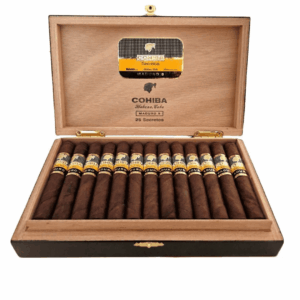
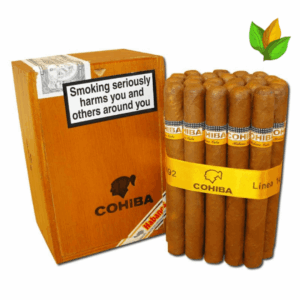
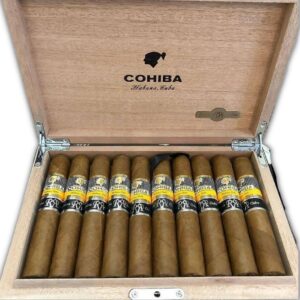
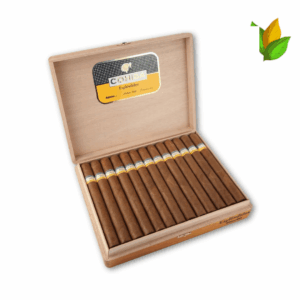
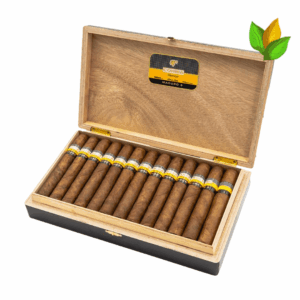
He was a man who didn’t say much, but when he did, you listened. He had this way of making everything feel significant. I remember him sitting in his leather chair, the smell of cedar and old tobacco clinging to his wool sweaters. Opening this humidor today felt like opening a time capsule. And right there, nestled in the top tray, was a row of yellow-and-black bands that I recognized instantly.
I felt a surge of pride, honestly. Not because of the money this place represents, but because the old man kept the good stuff. He didn’t just buy whatever was expensive; he bought what had soul. I picked one out, felt the weight of it, and realized it was time to give it the attention it deserved.
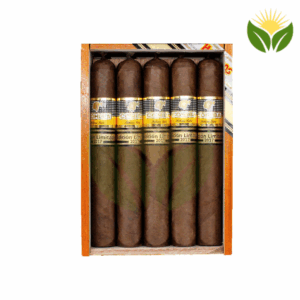
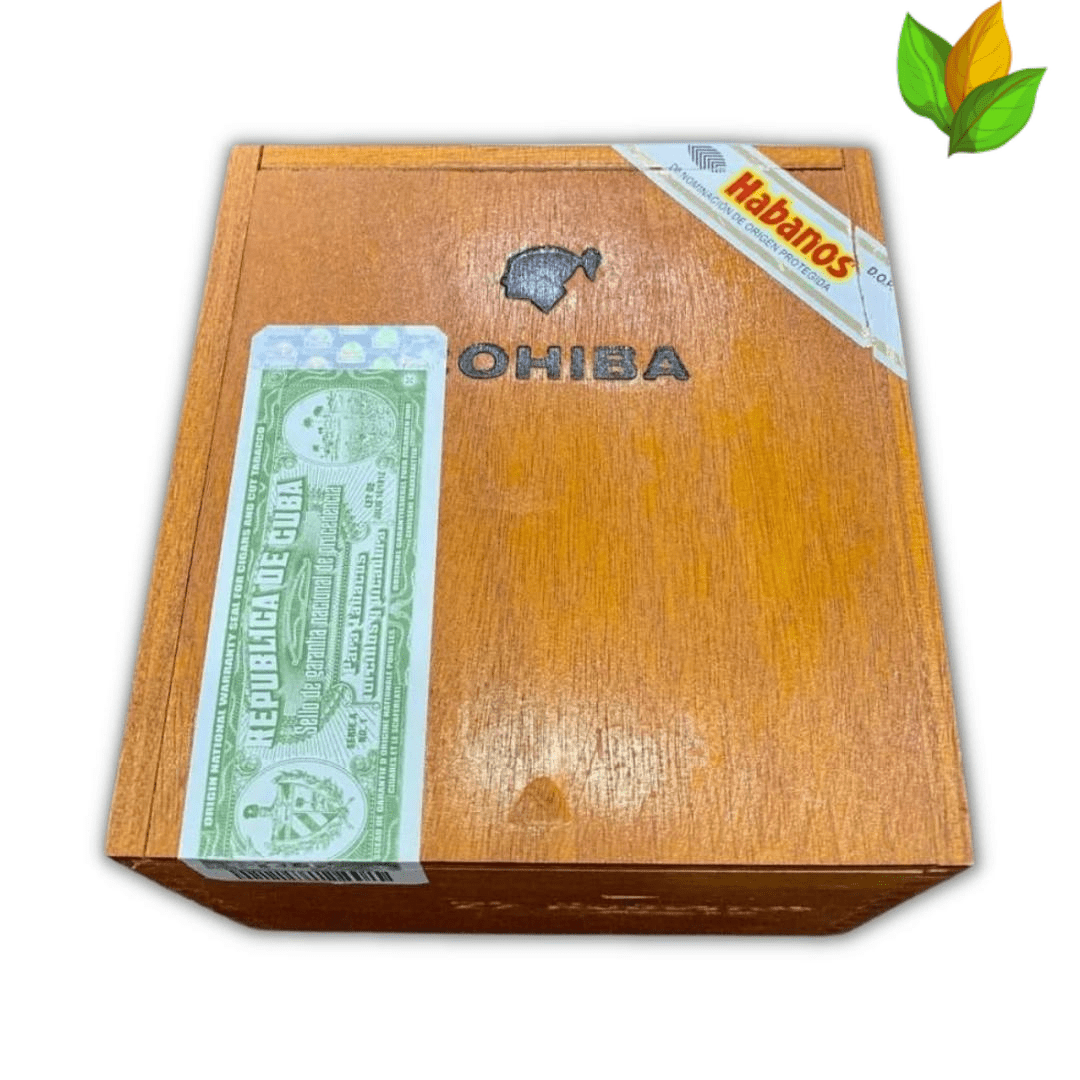
That smoke? The Cohiba Robusto.
Product Specifications
| Feature | Details |
|---|---|
| Product Name | Cohiba Robusto (Cuban) |
| Length | 124 mm (4 7/8 inches) |
| Ring Gauge | 50 |
| Vitola | Robusto |
| Origin | Cuba |
| Factory | El Laguito |
| Wrapper | Cuba (Vuelta Abajo) |
| Binder | Cuba (Vuelta Abajo) |
| Filler | Cuba (Vuelta Abajo) – Triple Fermented |
Construction: The Feel in the Hand
I’ve held a lot of cigars over the years, but there’s something specific about a Cohiba that comes out of El Laguito. This one has that classic “colorado” wrapper—a sort of reddish-brown that looks like well-oiled leather. It’s not perfectly smooth; it’s got some fine veins running through it, which I actually like. It makes it feel like a farm product, not something made in a lab.
When I gave it a gentle squeeze, I noticed it was firm. No soft spots, no “plugs” that I could feel. The cap is a work of art—a triple cap that’s so neatly applied you can barely see the seams. I used my grandfather’s old rosewood cutter to take just a sliver off the top. The pre-light draw gave me exactly what I expected: a mix of hay, cold cocoa, and a bit of that “beany” aroma that people always talk about with Cuban leaf. It wasn’t too loose, wasn’t too tight. Just a steady, resistant pull that told me the torcedor who rolled this knew exactly what they were doing.
I sat there for a second, just smelling the foot of the cigar. It’s got this earthy, rich scent that reminds me of a damp forest floor. You ever just sit with an unlit cigar for five minutes? I do. It’s part of the ritual.
The Flavor Profile: A Three-Act Story
The First Third: The Creamy Entrance
I toasted the foot slowly, making sure not to let the flame actually touch the tobacco. Once it was glowing, I took the first few puffs. Right away, I got that signature Cohiba profile. It’s grassy—not like fresh-cut lawn grass, but more like dried hay sitting in a warm barn. There’s a sweetness there, too. I’d call it black honey. It’s thick and coating on the palate.
I noticed a distinct creaminess in the smoke texture. It’s heavy. About an inch in, a bit of vanilla and a toasted almond note started to peek through. It’s medium-bodied at this point, very approachable. I’m sitting back, watching the smoke curl toward the ceiling, and I gotta say, it’s a smooth start. No harshness, no bite. Just a balanced, elegant introduction.
The Second Third: The Evolution of Spice
As I moved into the middle of the stick, the “Robusto” personality started to show its face. The strength kicked up a notch. That creamy vanilla from the start started to fade, replaced by something much more savory. I’m talking leather and cedar.
There’s a bit of spice now, but it’s gentle. It’s not a pepper-bomb; it’s more like a warm baking spice—think nutmeg or a hint of cinnamon. The “beany” flavor I mentioned earlier really intensified here. It’s like a rich, dark roasted coffee bean. The burn line stayed remarkably straight, which I appreciated because I didn’t want to mess with it. The ash was a light grey, holding on for nearly two inches before I decided to tap it off. I felt that “barrel-aged” quality coming through—that third fermentation they do at El Laguito really rounds out the edges. It feels refined.
The Final Third: The Powerhouse Finish
This is where the cigar demands your full attention. The last two inches or so are where the cocoa turns into 90% dark chocolate. It gets deep. The coffee notes turn into a heavy espresso, and there’s a distinct charred oak flavor that starts to dominate.
I found myself slowing down here. If you rush a Robusto at the end, it’ll get bitter, but if you take your time, it stays rich. I got hits of roasted nuts and a bit of citrus zest right at the back of my throat. It finished strong—definitely full-bodied by the time I was burning my fingers. I didn’t want to put it down. It’s a complex ending, leaving a lingering taste of leather and mocha on my tongue.
The Pairing: Keeping it Classy
Since I’m sitting in a penthouse that probably costs more than my hometown, I figured I’d pair this with something appropriate. I poured myself a glass of Havana Club 7 Year. If you’re smoking a Cuban, you might as well drink Cuban.
The sweetness of the rum, with those notes of molasses and oak, played perfectly with the grassy and leathery notes of the Robusto. The rum cuts through the creaminess of the first third and stands up to the spice of the second. If you’re not a rum person, a peaty Scotch might be too much—I’d go with a Highland malt or even just a very clean, sparkling water to keep the palate fresh. You want to taste the tobacco, not drown it.
The History: Why This One Matters
You can’t talk about the Cohiba Robusto without acknowledging where it comes from. I remember my grandfather telling me how Cohiba started as Fidel Castro’s private brand back in 1966. For years, you couldn’t even buy them; they were just gifts for diplomats.
The Robusto vitola didn’t even join the “Linea Classica” until 1989. It’s become one of the top sellers for Habanos S.A. for a reason. They use the absolute best leaves from the Vuelta Abajo region, and that extra fermentation in barrels—the thing that gives it that smooth, refined character—is unique to Cohiba. Knowing that history makes the experience feel a bit more weighted. You’re smoking a piece of a very long, very complicated story.
The Verdict: Is it Worth the Hype?
I’m going to be honest with you. There’s a lot of noise in the cigar world. People talk about “must-haves” and “icons” so much that the words lose their meaning. But sitting here, looking at the city lights starting to flicker on, I have to admit that the Cohiba Robusto is a solid experience.
It’s not a “everyday” smoke for me—partly because of the price and partly because it’s a lot of flavor to process. It’s a “moment” cigar. It’s what you smoke when you’ve inherited a penthouse, or when you’ve closed a deal, or when you just want to remember your grandfather.
Is it the most powerful cigar? No. Is it the flashiest? No. But it has a balance that is hard to find elsewhere. It’s sophisticated. It doesn’t scream for your attention; it earns it puff by puff.
If you’ve got a few years to let them age—my grandfather clearly did, as these felt like they’d been sitting for at least five or six years—the payoff is immense. The smoothness is just… well, it’s exactly what I needed tonight.
I think the old man would be happy knowing I’m sitting here, enjoying his favorite view with his favorite smoke. It’s a hell of a way to say goodbye.
Final Thought: If you find a real one, and you have the time to sit with it, do it. It’s a benchmark for a reason. Solid.