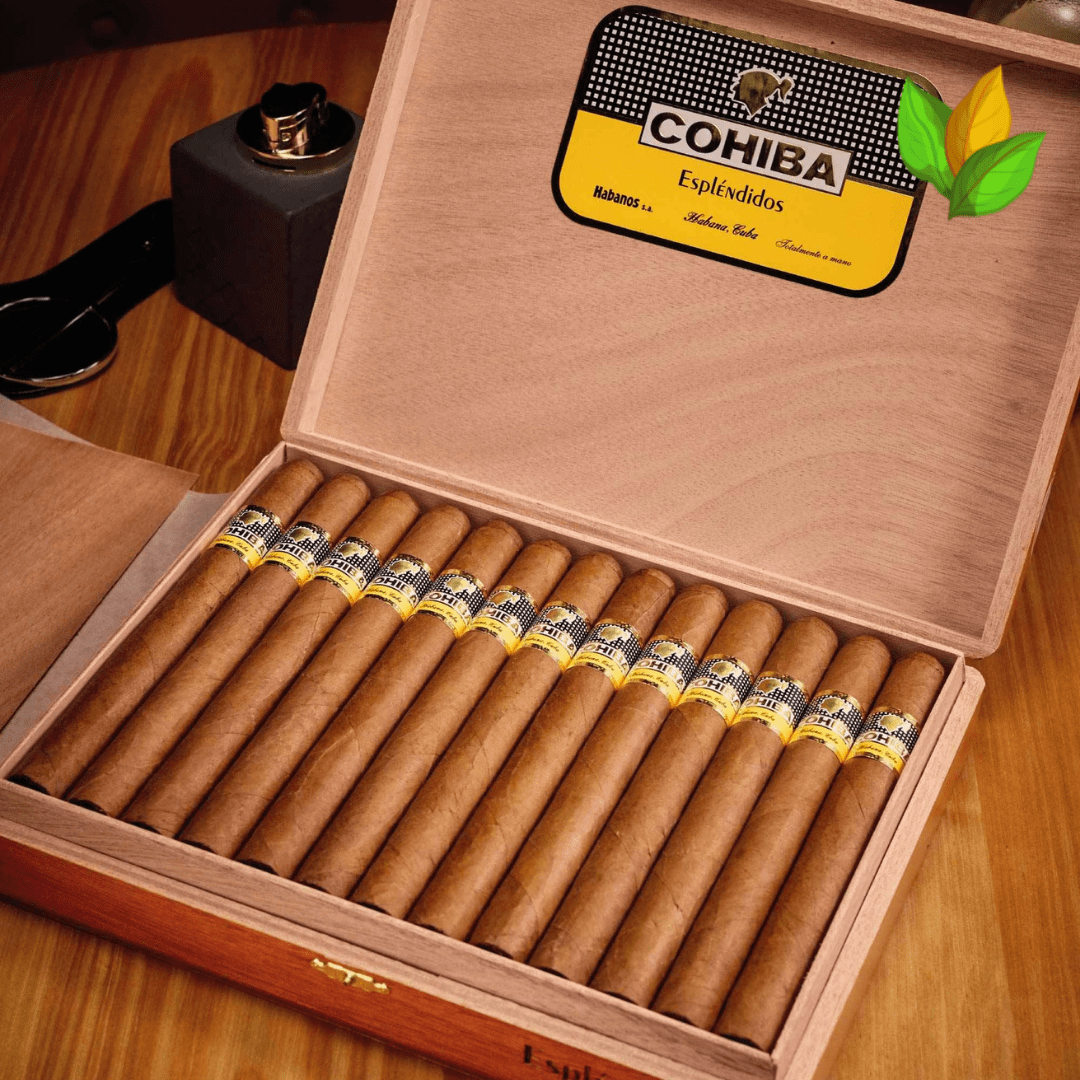
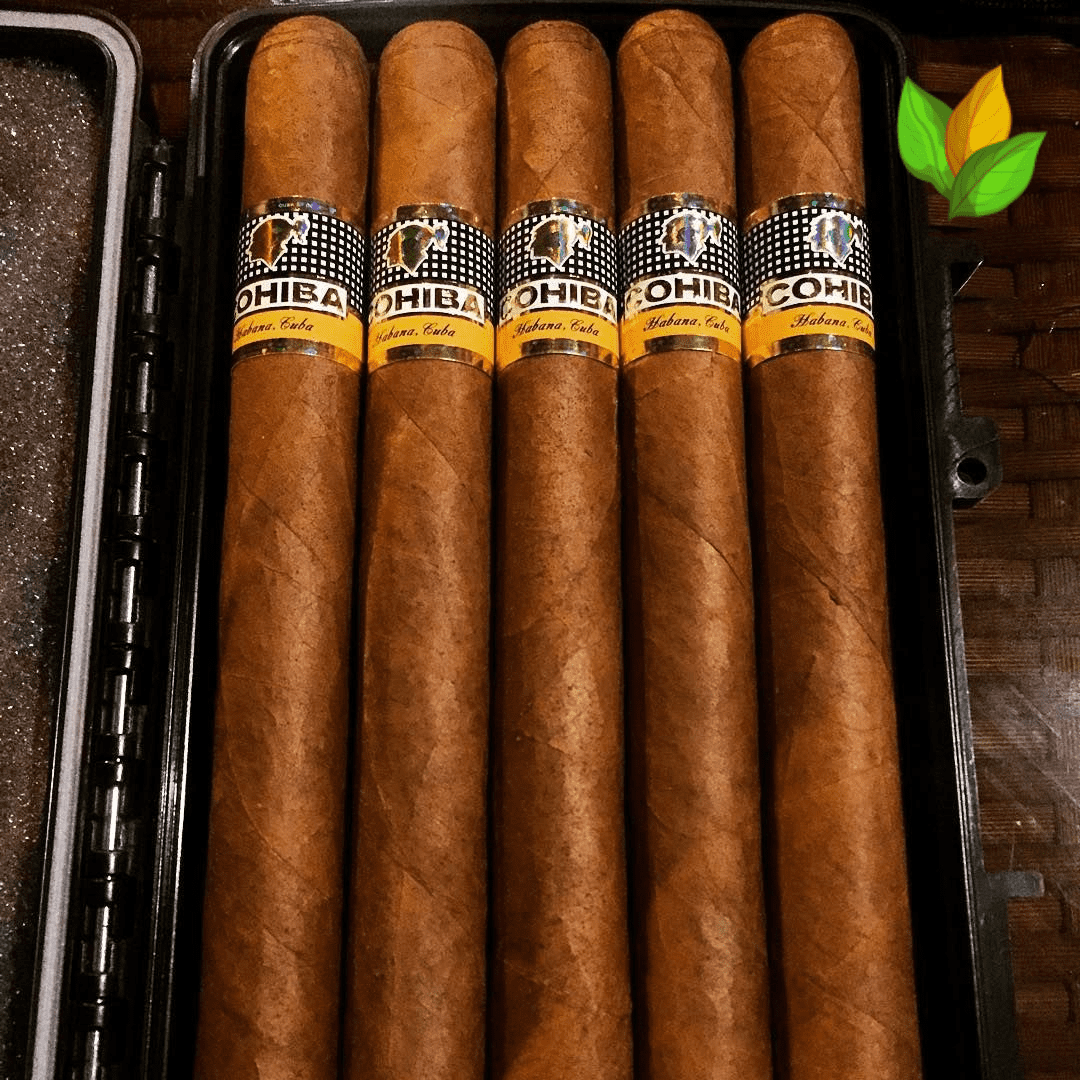

Description
The wind wasn’t just blowing; it was screaming through the rigging of the 42-foot sloop like a banshee with a grudge. We were about five miles off the coast, the sky turning a bruised shade of purple that usually means you’re about to get soaked. I remember the energy on deck—it was electric. Everyone was scrambling to batten down the hatches, the adrenaline hummed in my veins, and just as the first fat droplets of a Caribbean squall started hammering the teak, we dove under the bimini top for cover.
There we were, huddled in the cockpit, the rain creating a gray curtain around the boat. The world felt small, loud, and incredibly alive. You ever get that feeling where you’re perfectly safe in the middle of total chaos? That’s when I reached into my travel humidor. I didn’t want something quick. I didn’t want a “snack.” I wanted something that would last as long as this storm, something with enough backbone to compete with the smell of salt spray and ozone. I pulled out a long, golden-brown cylinder that felt like it was made for a moment exactly like this.
That smoke? The Cohiba Espléndidos. I’ve had my fair share of cigars in quiet lounges and leather-bound libraries, but something about sheltering from a tropical downpour while holding a Churchill-sized Cuban just felt right. It felt like I was holding a piece of Havana’s soul while the Atlantic tried to gatecrash the party.
The Specs
| Product Name | Cohiba Espléndidos |
| Vitola | Julieta No. 2 (Churchill) |
| Length | 178 mm (7 inches) |
| Ring Gauge | 47 |
| Origin | Cuba (Havana) |
| Factory | El Laguito |
| Wrapper/Binder/Filler | Vuelta Abajo, Cuba |
Construction: The El Laguito Touch
I gotta tell you, holding an Espléndido is an experience before you even clip the cap. This isn’t a small cigar. At seven inches long with a 47 ring gauge, it’s got a presence. It feels substantial in your hand, but not bulky—more like a well-balanced tool. This specific vitola, the Julieta No. 2, is a classic for a reason. It’s elegant.
The wrapper on mine was a beautiful, oily Colorado Claro. It had that distinct Cuban “sheen” to it—not shiny like it was dipped in wax, but a healthy, toothy glow that tells you the oils are right where they need to be. I ran my thumb down the length of it while the rain drummed on the canvas above me. No soft spots. No hard knots. It felt firm but had a slight “give” when squeezed, like a high-end leather glove. That’s the El Laguito factory for you. They’re the ones who handle the Cohiba line, and you can tell the rollers there aren’t rushing the job.
I used a straight cutter, taking just a sliver off the cap. The pre-light draw was exactly what I was hoping for: a little bit of resistance, but plenty of airflow. I got hits of sweet hay, dried grass, and a faint hint of what I can only describe as “barnyard”—which, in the cigar world, is a massive compliment. It’s that rich, fermented tobacco smell that promises a deep experience. I sat back, watched a bolt of lightning hit the horizon, and toasted the foot.
The First Third: The Awakening
The first few puffs are always the most telling. With the Espléndidos, it didn’t come out swinging with heavy spice. Instead, it was smooth. Real smooth. I’m talking about that “third fermentation” they do at El Laguito, where they age the seco and ligero leaves in wooden barrels. You can actually taste the difference. It rounds off the sharp edges you find in younger, less refined sticks.
The initial flavor profile was dominated by cedar and a very clean, crisp earthiness. There was a touch of white pepper on the retrohale, but it wasn’t aggressive. It was more like a suggestion of spice rather than a punch to the nostrils. About an inch in, a subtle sweetness started to creep in—think of it like honey on a piece of toasted sourdough. As the boat rocked gently against the anchor line, the smoke output was dense and white, hanging in the humid air of the cockpit like a low-lying cloud. Solid start.
The Second Third: Finding the Groove
By the time I hit the second third, the storm was still raging, but I was in my own little world. The flavors started to transition from that light, grassy sweetness into something much more “meaty.” The body moved firmly into the medium-to-full territory. I started picking up distinct notes of roasted nuts—peanuts, specifically, but with a toasted quality to them. There was also a rich, creamy coffee vibe that started to take over the palate.
What I love about this Churchill size is the way the temperature stays cool. Because it’s such a long smoke, the cherry is far away from your mouth for a long time, allowing the smoke to cool as it travels through the bunch. This lets those delicate notes of cinnamon and leather really shine through. I noticed the ash was a light gray, holding on for nearly two inches before I gently tapped it into a heavy glass ashtray. The burn was nearly perfect, requiring zero touch-ups despite the damp, salty air swirling around us. That’s a testament to the construction. You ever have a cigar that tunnels or canoes the moment a breeze hits it? This wasn’t that. It stayed true.
The Final Third: The Crescendo
As we moved into the final stretch, the rain finally started to taper off into a light drizzle. The sky was beginning to break, showing slivers of orange from the setting sun. The Espléndidos followed suit, getting darker and more intense. The sweetness from the first third returned, but it had changed. It wasn’t honey anymore; it was dark chocolate and cocoa.
There’s a silky texture to the smoke in the final third of a well-aged Cohiba that I just don’t find anywhere else. It coats the tongue without being oily. I started getting some vegetal hints—not “green” or bitter, but more like a rich, forest floor after a rain. Fitting, right? The strength ramped up here, too. I could feel the nicotine kick a bit more, but it never felt dizzying. It was just a warm, full-bodied finish that demanded my full attention. I smoked it down until my fingers were getting warm, not wanting to let go of the experience.
Pairing: What to Drink?
On the boat, I was sipping on a local aged rum—nothing too fancy, just something with enough caramel notes to play off the cigar’s cedar. But if I were at home? I’d go with a double espresso or maybe a Highland Scotch. You want something that has some weight to it but won’t drown out the nuances of the tobacco. A heavily peated Islay might be too much; you don’t want the smoke of the drink fighting the smoke of the cigar. A nice, balanced coffee is probably the safest and most rewarding bet. It bridges the gap between the nutty middle and the chocolatey end perfectly.
A Bit of History
You can’t talk about the Espléndidos without mentioning where it came from. Cohiba started as this private blend for Fidel Castro back in the 60s. For years, you couldn’t even buy them; they were just gifts for diplomats and heads of state. They finally went commercial in ’82, but the Espléndidos didn’t show up until 1989 as part of the Línea Clásica.
Since then, it’s become the flagship Churchill for the brand. It’s the cigar people think of when they think of “top-tier Cuban.” And while the price tag has certainly climbed over the years, the process hasn’t changed much. They’re still using the best leaf from the Vuelta Abajo, and they’re still doing that extra barrel fermentation that gives it that signature “Cohiba” smoothness. It’s a piece of history you can actually hold and burn.
The Verdict
So, is the Cohiba Espléndidos worth the hype? Look, I’m not going to tell you it’s the only cigar you’ll ever need. But I will say this: it’s a heavy hitter for a reason. It’s a long-haul smoke—you need at least 90 minutes, maybe two hours if you’re a slow puffer like me. It’s not a cigar you light up when you’re in a hurry. It’s a cigar for when the world is throwing a tantrum outside and you’ve got nowhere else to be.
The construction is reliable, the flavor profile is complex without being confusing, and the transition from those light, cedary notes to that deep, chocolatey finish is a journey worth taking. It’s a solid, well-crafted piece of Cuban craftsmanship that delivers exactly what it promises. If you find yourself on a sailboat in the middle of a storm—or just on your back porch after a long week—this is a companion you’ll be glad to have.
Final Thought: It’s a refined, evolving experience that rewards patience. Just make sure you have a sharp cutter and a good two hours to kill. You won’t want to rush this one.