
Description
The View from the 42nd Floor: A Bittersweet Birthday with the Cohiba Coronas Especiales
The wind up here on the 42nd floor doesn’t give a damn about my birthday. It’s whipping around the glass partitions of this rooftop bar, whistling through the empty chairs, and making the amber liquid in my glass ripple like a miniature tide. I come here every year on this date. It’s a tradition I started back when I had more hair and fewer regrets. Usually, I’m meeting someone, but tonight, the seat across from me is empty. It’s one of those bittersweet milestones where you realize you’ve got more stories behind you than you have ahead of you.
I looked down at the city lights—thousands of little glowing jewels spilled across the dark velvet of the streets—and felt that familiar tug of nostalgia. You ever have one of those moments where the world feels too big and you feel just the right amount of small? I needed something to anchor me. Something that wasn’t rushed. I didn’t want a fat, chunky cigar that felt like holding a roll of quarters. I wanted something lean, something that looked like it belonged in a room full of tuxedoes and whispered secrets. I reached into my travel humidor and pulled out a slender, elegant stick I’d been saving for a night exactly like this.
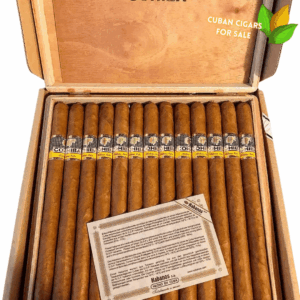
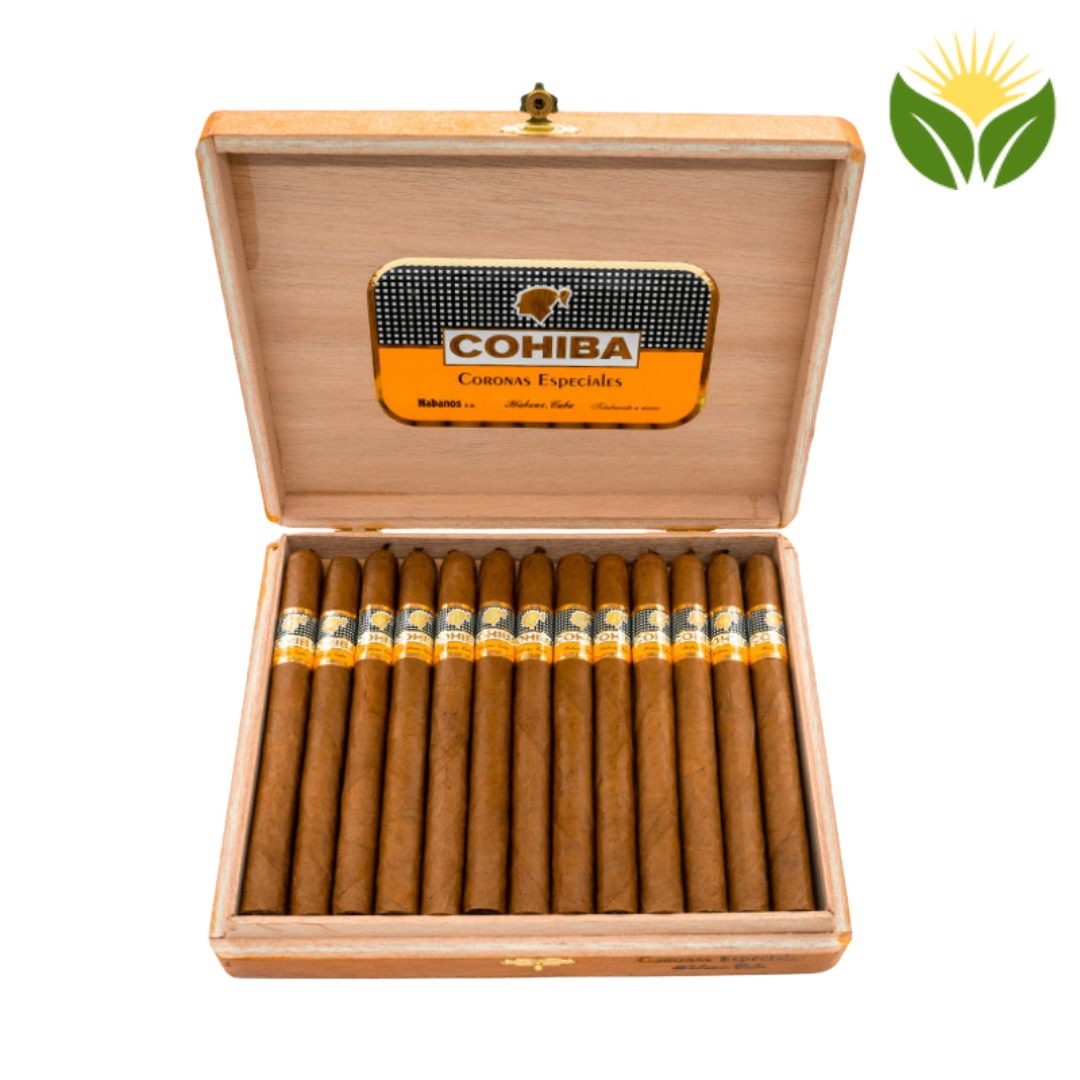
That smoke? The Cohiba Coronas Especiales. It’s not just a cigar; it’s a piece of history that fits right between your fingers.
The Specs
| Vitola | Laguito No. 2 (Panetela) |
| Length | 152 mm (6 inches) |
| Ring Gauge | 38 |
| Origin | Cuba |
| Factory | El Laguito |
| Wrapper/Binder/Filler | Vuelta Abajo, Cuba |
| Weight | 8.15 grams |
Construction: The Art of the Lean
I gotta tell you, there’s something about a 38 ring gauge that just feels right. In a world where everyone is chasing 60-ring gauge monsters that look like they should be powering a steam engine, the Coronas Especiales is a reminder of a more refined era. It’s the Laguito No. 2 vitola, a sibling to the famous Lancero, and it carries that same air of “I know what I’m doing.”
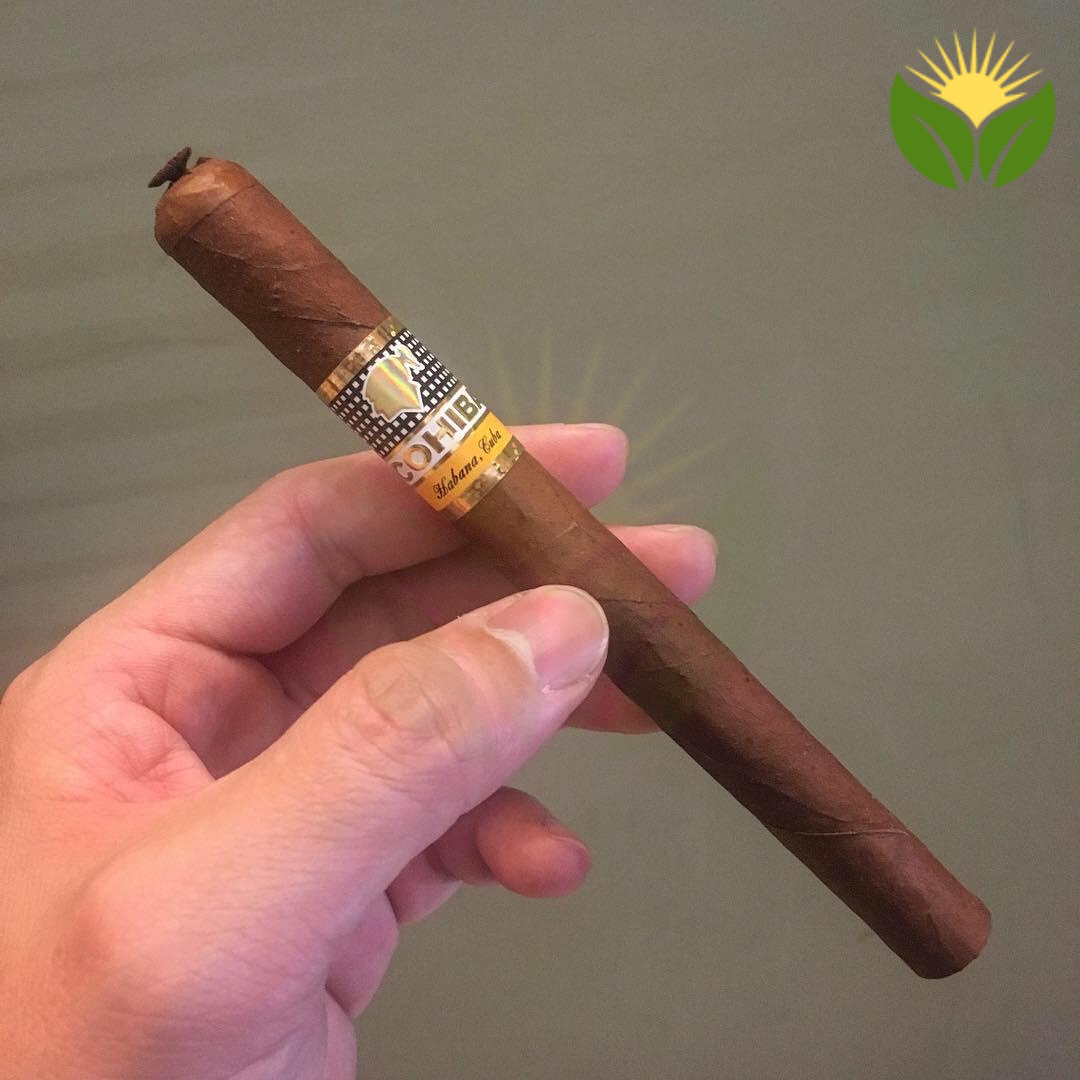
I held it up to the dim light of the rooftop. The wrapper was a gorgeous reddish-brown, almost like an old leather chair that’s seen its fair share of scotch spills. It had a light oily sheen that caught the moonlight, and that signature short pigtail cap—the “perilla”—was perfectly coiled. I’ve always found the triple cap on these to be a mark of real craftsmanship. It felt firm in my hand, maybe a little too firm if I’m being honest. You ever get that “Cuban anxiety” where you’re worried the draw is going to be like trying to suck a milkshake through a pinhole? Yeah, I felt that. But the pre-light draw was surprisingly decent, giving me hints of dry hay and a bit of old cedar.
The weight is light, only about eight grams, so it sits in the hand like a heavy pen. I clipped the pigtail carefully—I didn’t want to mess up the flow—and toasted the foot. The aroma immediately filled my little corner of the balcony: flowery, woody, and unmistakably Cohiba.
The First Third: A Walk Through the Woods
The first few puffs were like a conversation with an old friend who doesn’t feel the need to shout. It started out with a distinct mineral-rich earthiness. I’m talking about that “after-the-rain” smell, mixed with a bit of almond and what I like to call “old wood”—the kind of scent you get in a library that hasn’t been dusted since the 70s. It wasn’t aggressive; it was medium-bodied and smooth.
I took a long retrohale, and that’s where the magic happened. I picked up light, sweet coffee and a touch of milk chocolate. There was a faint whisper of molasses and white pepper on the tail end that tickled the back of my throat. It was elegant, man. No other word for it. It didn’t punch me in the face; it just sat down next to me and started telling me a story about the Vuelta Abajo region. You can really taste that third fermentation they put the Seco and Ligero leaves through. It removes that “green” harshness you find in cheaper sticks and replaces it with a creamy, rounded texture.
The Second Third: The Sweet Spot
As I moved into the second third, the birthday blues started to lift a bit. The cigar settled into a groove. The mineral notes took a backseat to a more pronounced woody spiciness. I started getting more of that classic Cuban hay and grass, but it was balanced out by a growing creaminess.
The retrohale evolved too. The milk chocolate turned into more of a vanilla bean flavor, and the coffee notes got a bit darker, like a well-made espresso. I also caught a toasted almond vibe that was just… solid. The smoke production was decent, though the ash was a little flaky—typical for a thinner ring gauge. I had to be careful not to let it drop on my coat. The burn wasn’t perfect; I had to touch it up once because the wind on this rooftop was doing me no favors, but the cigar stayed cool. That’s the trick with these Panetelas—you can’t puff on them like you’re trying to put out a fire. You gotta sip them. If you get them too hot, they turn bitter, but if you treat them with respect, they reward you.
The Final Third: The Deep End
By the time I reached the final third, the city below had quieted down. The strength picked up, moving into that medium-full territory. The flavors got deeper and more “serious.” That mineral earthiness came back with a vengeance, but this time it was joined by a salted peanut note and something that reminded me of a rum cask—sweet, oaky, and a little boozy.
The retrohale shifted toward dark chocolate and coffee beans. The vanilla was gone, replaced by a more rugged leather and toasted nut profile. It was a complex finish, lingering on the palate long after I put the nub down. It didn’t get mushy or hot at the end, which is a testament to the construction at the El Laguito factory. They’ve been making these since 1967, and you can tell they’ve got the process down to a science. It’s a sophisticated way to end a smoke, leaving you feeling satisfied but not overwhelmed.
The Pairing: What to Sip?
Since I was in a bittersweet, birthday-tradition mood, I went with a neat pour of a 12-year-old Cuban rum. The sweetness of the rum played perfectly with the cocoa and vanilla notes of the cigar. If you’re not a rum person, I’d say a light Highland Scotch or even a creamy café au lait would do the trick. You don’t want anything too peaty or heavy that’s going to drown out the subtle nuances of the Laguito No. 2. This cigar is a delicate instrument; don’t play it with a sledgehammer.
The Verdict
Is the Cohiba Coronas Especiales for everyone? Probably not. If you want a “nicotine bomb” that’ll make your head spin, look elsewhere. If you want a cigar that you can mindlessly puff while mowing the lawn, this isn’t it. This is a cigar for moments of reflection. It’s for rooftop bars, for milestones, and for those nights when you want to remember why you fell in love with tobacco in the first place.
I gotta say, despite the occasional flaky ash and the tight-ish draw, it’s a stellar experience. It feels exclusive because it is. It’s a link back to 1963, to the original blend made for Castro, and to a time when cigars were about grace rather than girth. It’s a refined smoke that demands your attention and rewards it with a complex, evolving flavor profile that most modern cigars just can’t touch.
As I crushed the nub into the ashtray, I felt a little better about the year ahead. The bittersweetness was still there, sure, but the Coronas Especiales made it feel a lot more like a celebration. It’s a classy stick for a classy (or trying-to-be-classy) occasion.
Final Thought: If you find a box of 25 that’s been aging for a few years, grab ’em. These things have limitless aging potential, and they only get smoother with time. Just like some of us, I hope.