
Description
The hull of the Elena creaked under my feet, a rhythmic, groaning sound that usually lulls me into a state of total peace. We were anchored just off the coast, the water a bruised shade of purple as the sun dipped below the horizon. I’d just spent eighteen months fighting for a merger that everyone told me was impossible. That morning, the signatures were finalized. I was richer, more powerful on paper, and supposedly “victorious.”
But you ever get that feeling? That hollow, quiet thud in your chest when the chase is finally over? It’s a strange kind of melancholy. I was sitting on the deck, the salt air sticking to my skin, feeling more alone than I had when I was broke and scrambling. I didn’t want a party. I didn’t want a crowd of people slapping my back and drinking my gin. I wanted something that could stand up to the weight of the silence. I reached into my travel humidor, past the daily smokes and the “good enough” sticks, and pulled out the one thing that felt appropriate for a win that felt this heavy.
I sat there for a long time just looking at it, the wind catching the sails of distant boats. I needed a companion that didn’t need to talk. I needed a smoke that was as complex as the mess of emotions I was currently wading through. I needed to see if the hype I’d heard in every lounge from London to Havana actually held water, or if it was just another shiny trophy to put on a shelf.
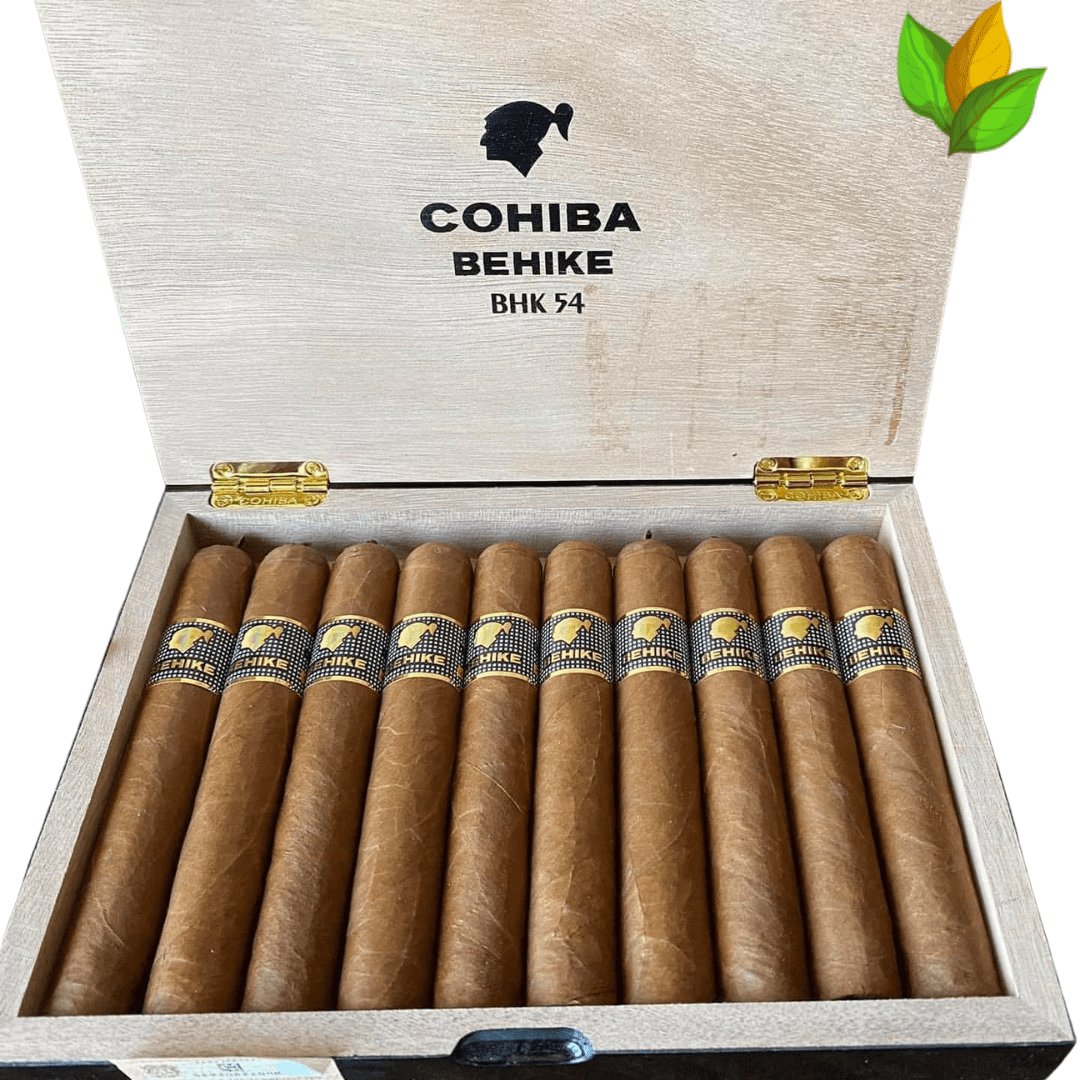
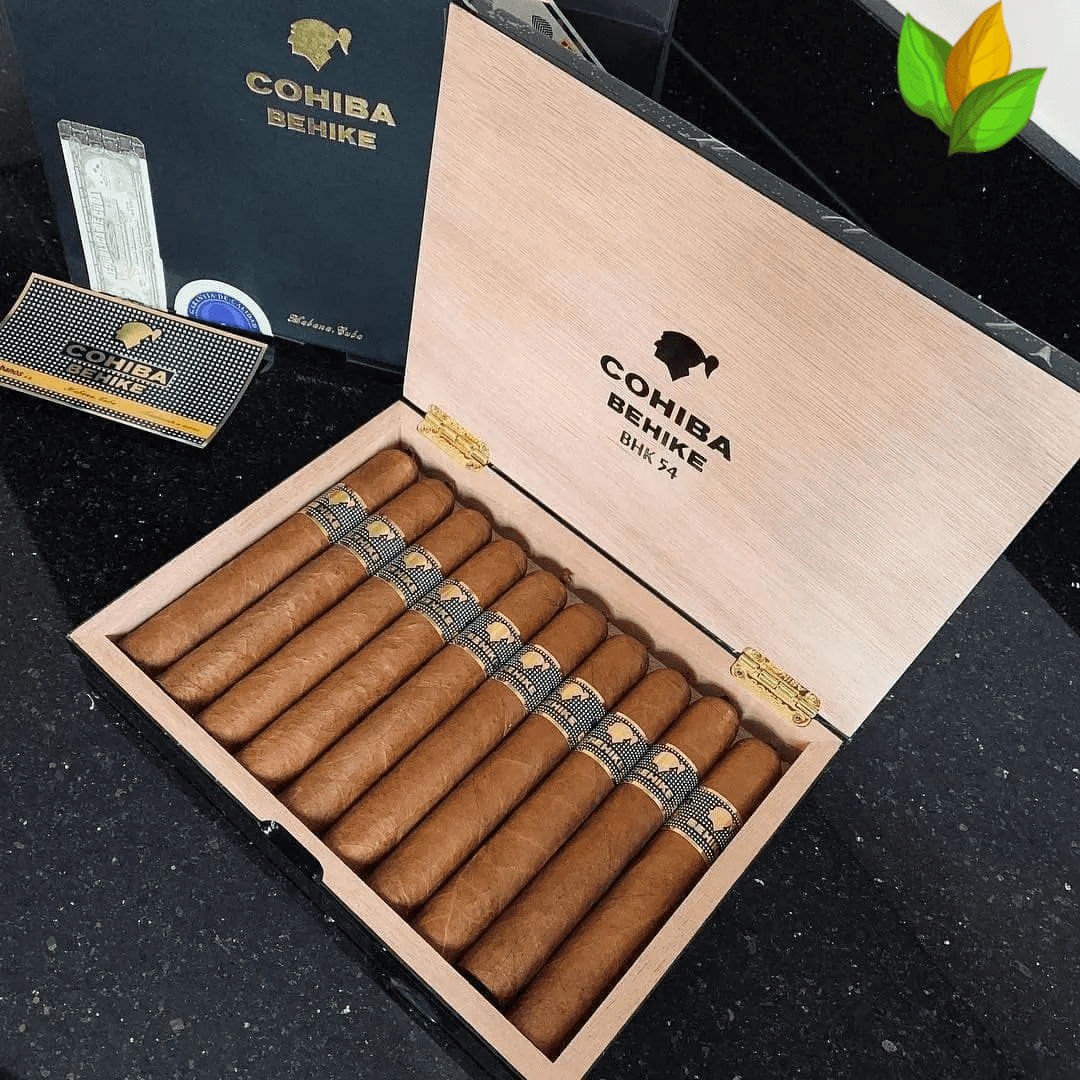
The Transition: That smoke? The Cohiba Behike BHK 54…
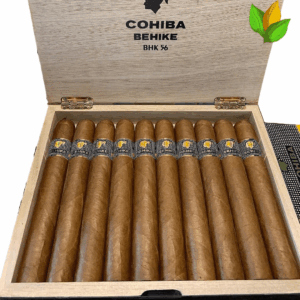
I’ve been around the block. I’ve smoked sticks that cost more than my first car and ones I found in dusty corners of shops in Ybor City. But the Behike 54 is a different animal. You don’t just light this thing because it’s Tuesday. You light it because the moment demands a certain level of gravity. It’s the flagship of Habanos S.A., born out of the El Laguito factory—the same place where they used to roll cigars exclusively for Castro. This isn’t just tobacco; it’s a piece of Cuban history wrapped in a leaf.
| Product Specifications | |
|---|---|
| Vitola | Laguito No. 5 (Robusto Extra) |
| Length | 144 mm (5.7 inches) |
| Ring Gauge | 54 |
| Origin | Cuba |
| Factory | El Laguito |
| Wrapper | Cuban Vuelta Abajo (Sun-Grown) |
| Binder | Cuban Vuelta Abajo |
| Filler | Cuban Vuelta Abajo (including Medio Tiempo) |
Construction: The Feel in the Hand
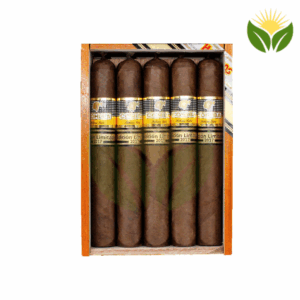
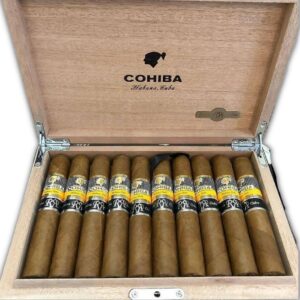
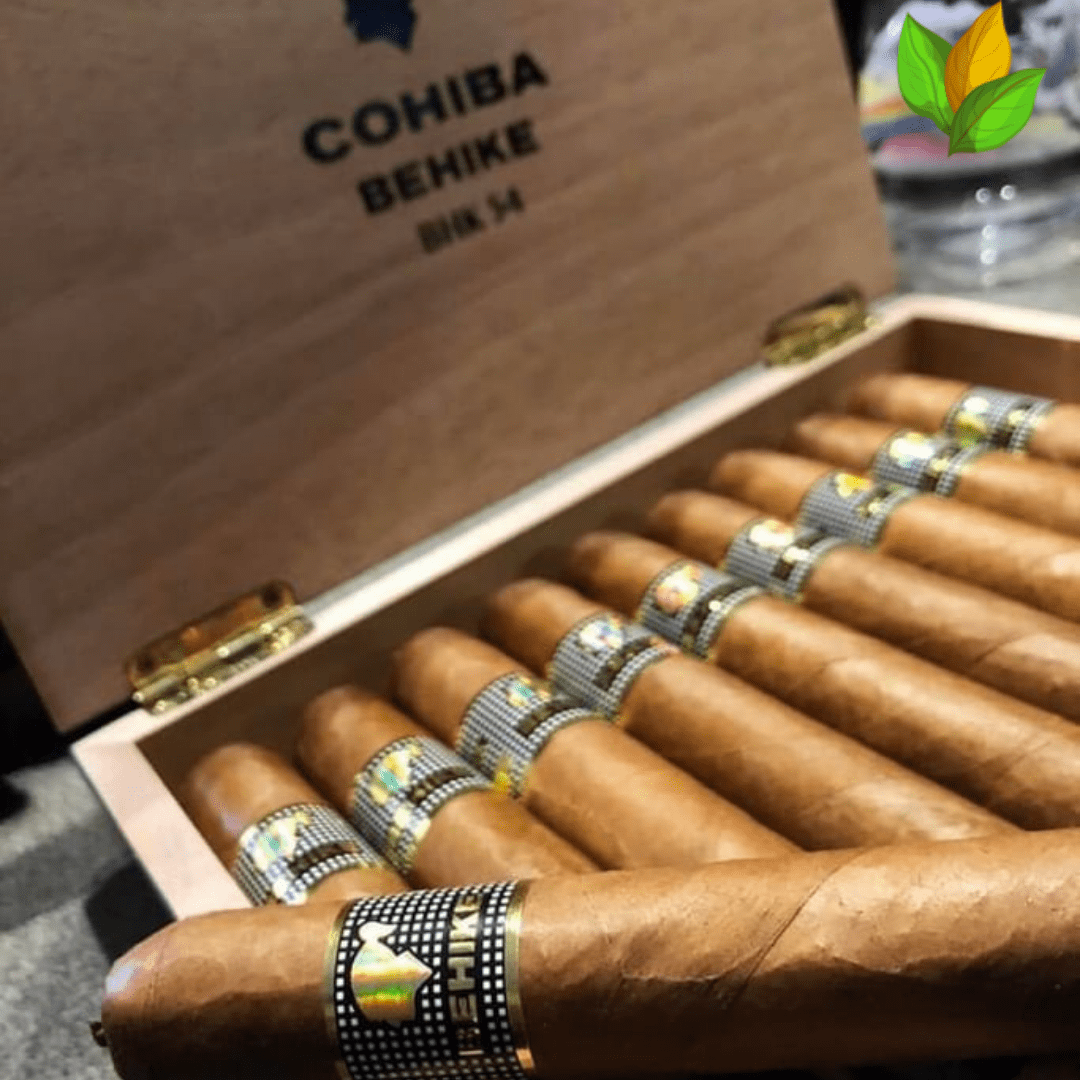
The first thing I noticed as I pulled it out was the weight. It feels substantial. A lot of cigars feel like rolled-up leaves, but this felt like a solid piece of craftsmanship. The wrapper is a gorgeous, oily Colorado shade—reddish-brown and smooth to the touch, like a well-worn leather chair. There’s a slight sheen to it that tells you the oils are right where they need to be. I ran my thumb over the pigtail cap, a signature of the Laguito rollers, and felt that familiar sense of respect for the hands that put this together.
I gotta say, the construction is tight. No soft spots, no lumps. It’s firm but has just enough give when you squeeze it. The scent off the foot was pure, unadulterated barnyard—rich hay, damp earth, and a hint of something sweet, like honey left in a cedar box. I used a straight cut, taking just the top of the cap off. The pre-light draw was perfect. Not too loose, not like sucking through a straw, but with just enough resistance to let you know it’s packed with high-quality long-filler.
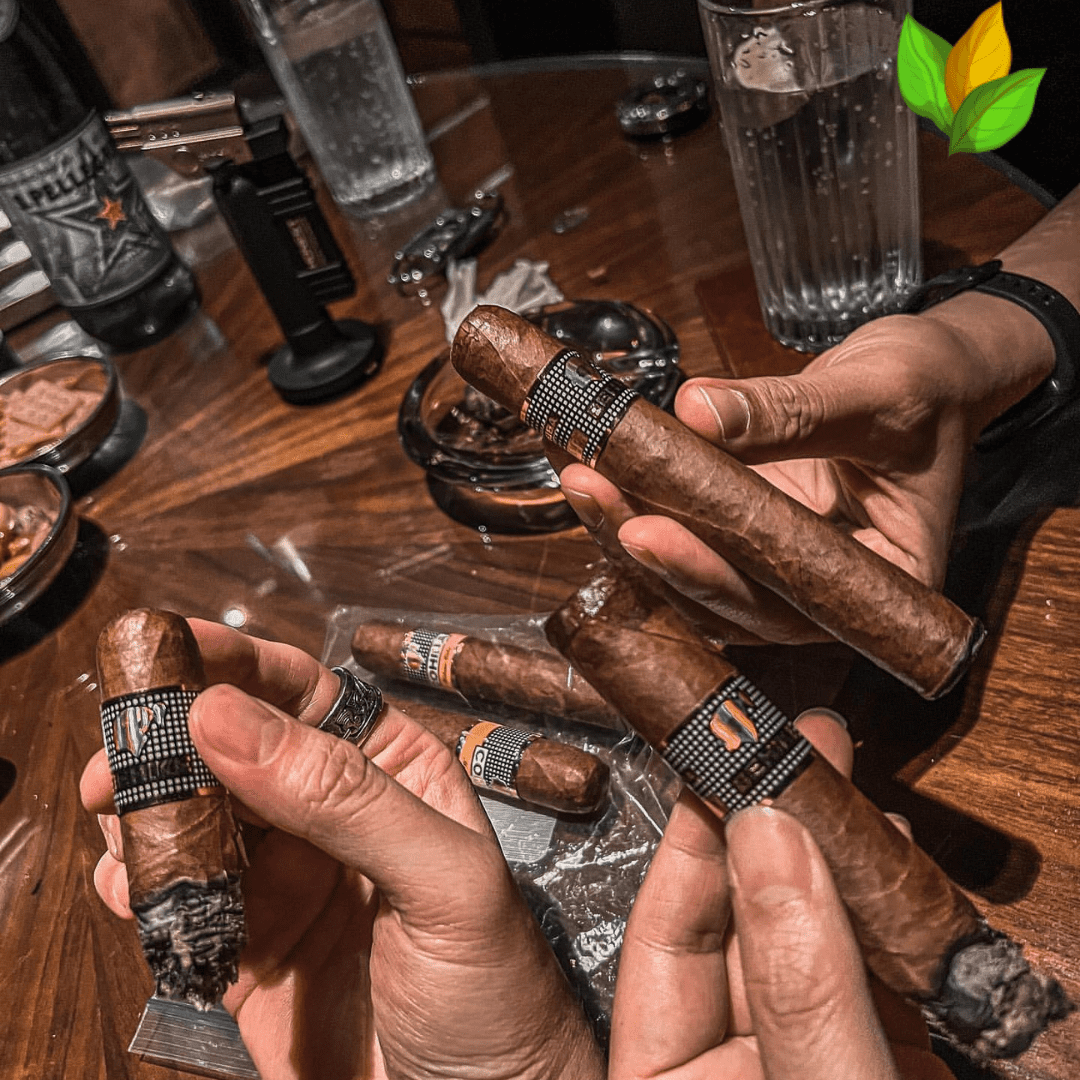
I tasted cold notes of cedar and a very distinct nuttiness. It felt expensive before I even brought a flame to it. Out there on the water, with the wind trying to steal my light, I used a soft flame to take my time. You don’t rush the lighting of a Behike. You toast the foot until it glows like a coal in a forge, then you take that first, slow pull.
Flavor Profile: A Three-Act Play
The First Third: The Awakening
The initial puffs were surprisingly creamy. I expected a punch to the gut, but instead, I got a velvet glove. There’s a lot of talk about the medio tiempo leaves—those rare leaves from the very top of the sun-grown plant that get extra fermentation in barrels. I could taste them immediately. There’s an intensity to the earthiness that isn’t bitter; it’s deep. I picked up notes of toasted nuts and a very clear espresso vibe right out of the gate.
As I sat on the deck, the smoke was thick and white, hanging in the humid air. The spice was there, but it was behaving itself, sitting at the back of the throat while the cedar and hay took center stage. It’s a medium-to-full-bodied start, but the balance is what grabbed me. Nothing was fighting for attention. It was like a well-rehearsed orchestra where everyone knows their part.
The Second Third: The Sweet Spot
About thirty minutes in, the cigar shifted. This is where the magic happens. The spice that was lingering in the first third started to fade, replaced by a massive wave of creaminess and sweetness. I’m talking toffee, dark chocolate, and a rich leather flavor that reminded me of the interior of a vintage car. It was incredibly smooth. I found myself staring out at the dark water, the melancholy starting to lift just a bit, replaced by a quiet appreciation for the moment.
The burn was razor-sharp, which is a testament to the rollers at El Laguito. Even with the ocean breeze, I didn’t have to touch it up once. The ash was a light grey, holding on for nearly two inches before I decided to tap it off. The medio tiempo leaves give it a certain “chewiness”—the smoke feels like it has physical weight in your mouth. It’s a satisfying sensation that you just don’t get with lighter, thinner cigars.
The Final Third: The Grand Finale
As I got down to the last couple of inches, the BHK 54 decided it was time to remind me of its strength. The spice came back, but it wasn’t the hay-spice from the beginning. This was bolder—black pepper and a bit of cinnamon. The flavors darkened. I got heavy notes of coffee beans and a floral aroma that was surprisingly delicate given how strong the cigar was becoming. There was a hint of vanilla on the finish, which lingered for what felt like minutes after every puff.
It got hot toward the very end, as most cigars do, but the flavor didn’t turn “muddy.” It stayed clean. I smoked it until my fingers were practically touching the cherry, unwilling to let go of the experience. The finish was long, creamy, and left a coating on my palate that made me want to just sit there and think about everything I’d done to get to this boat, this cigar, and this moment.
Pairing: What to Drink?
I was drinking a neat pour of an XO Cognac. The sweetness of the dried fruit in the Cognac cut through the earthiness of the Behike perfectly. If you’re not a Cognac person, I’d say a heavily aged Scotch—something with some peat but also some sherry cask sweetness—would do the trick. You need something with enough backbone to stand up to the medio tiempo. A light beer or a cheap gin and tonic would get absolutely steamrolled by this cigar. If you’re skipping the booze, a double espresso or a piece of very dark chocolate is the way to go. It brings out that cocoa note in the middle third beautifully.
Value/Usage: Who Is This For?
Look, I’m not going to lie to you. This isn’t a “value” smoke. It’s expensive, it’s hard to find, and there are plenty of cigars that cost a third of the price that are very, very good. But this isn’t about being “good.” This is for the person who wants to mark a moment. It’s for the guy who just won the case, the woman who just sold the company, or the person who just wants to sit on a sailboat and feel the weight of their own life for an hour and a half.
It’s a regular production cigar, but “regular” is a loose term when it comes to Cuban BHKs. They only make as many as the harvest allows, especially with those rare top-priming leaves. If you see a box and you’ve got the scratch, you buy it. You don’t think about it. You just buy it and wait for the day you actually deserve to smoke one.
Conclusion: The Verdict
By the time I finished the nub, the stars were out in full force. The melancholy hadn’t entirely vanished—life is never that simple—but the BHK 54 had given me a container for it. It’s a solid, heavy-hitting smoke that manages to be elegant at the same time. It’s balanced, it’s complex, and it’s arguably one of the most consistent experiences you can have with a Cuban leaf.
Is it the “best” cigar in the world? I don’t believe in “best.” But I will say this: in twenty years of smoking, I’ve never had a Behike 54 let me down. It’s a masterclass in what happens when you take the best tobacco from the Vuelta Abajo, give it to the best rollers in El Laguito, and actually take the time to ferment it right. It’s a serious cigar for serious moments. And for me, on that boat, it was exactly what I needed to turn a lonely win into a quiet celebration. Solid. Truly solid.