
Description
I was leaning against a wrought-iron railing on a rooftop bar in the heart of Old Havana, though it could’ve been anywhere where the air stays warm long after the sun goes down. It was one of those late nights where the city’s noise hums at a low frequency, far below your feet, leaving you alone with whatever thoughts you’ve been avoiding all day. The mood was quiet, almost heavy with a kind of peacefulness you only find when you stop rushing. I wasn’t looking for a quick fix or a twenty-minute smoke. I needed something that could keep pace with a long, slow contemplation of where I’ve been and where I’m headed.
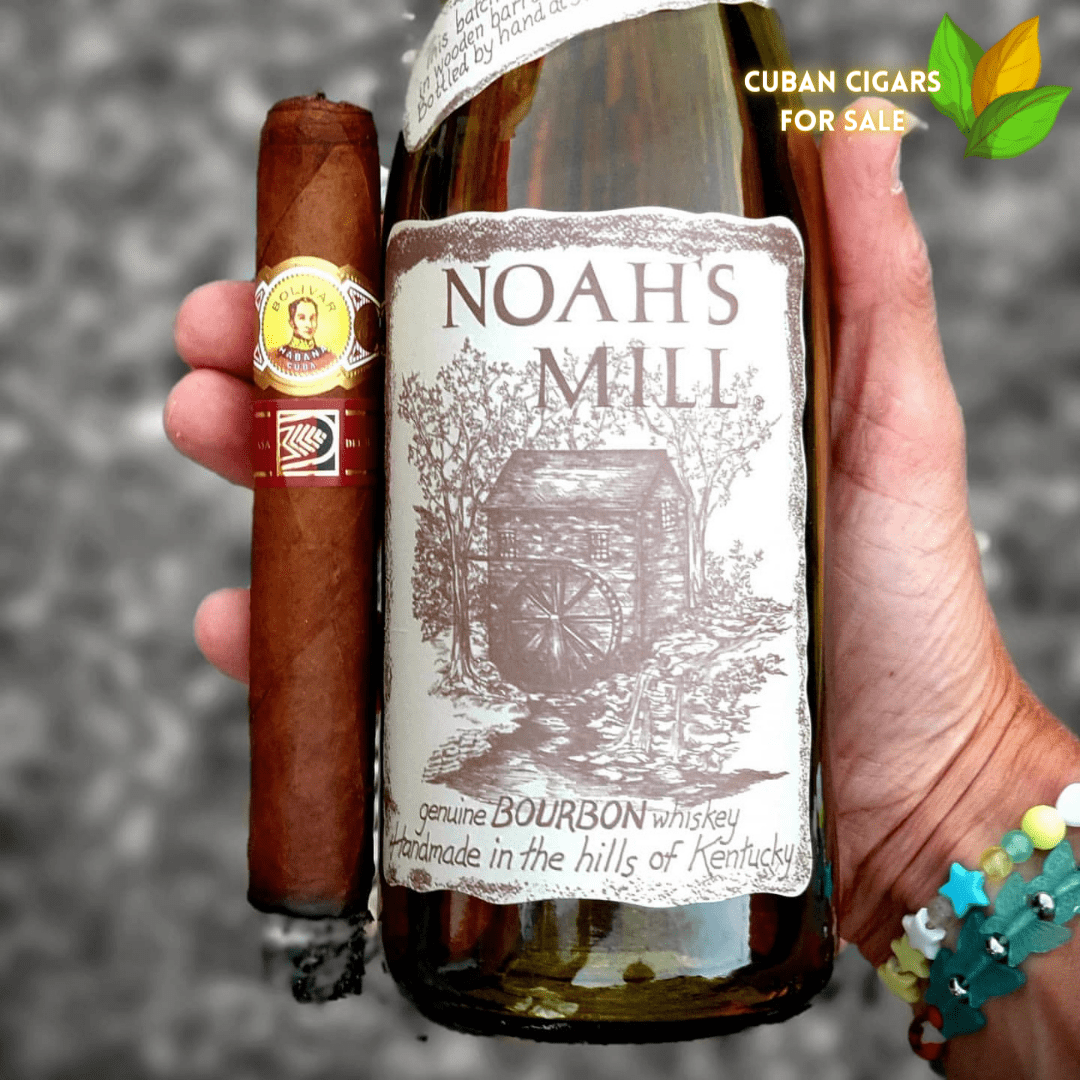
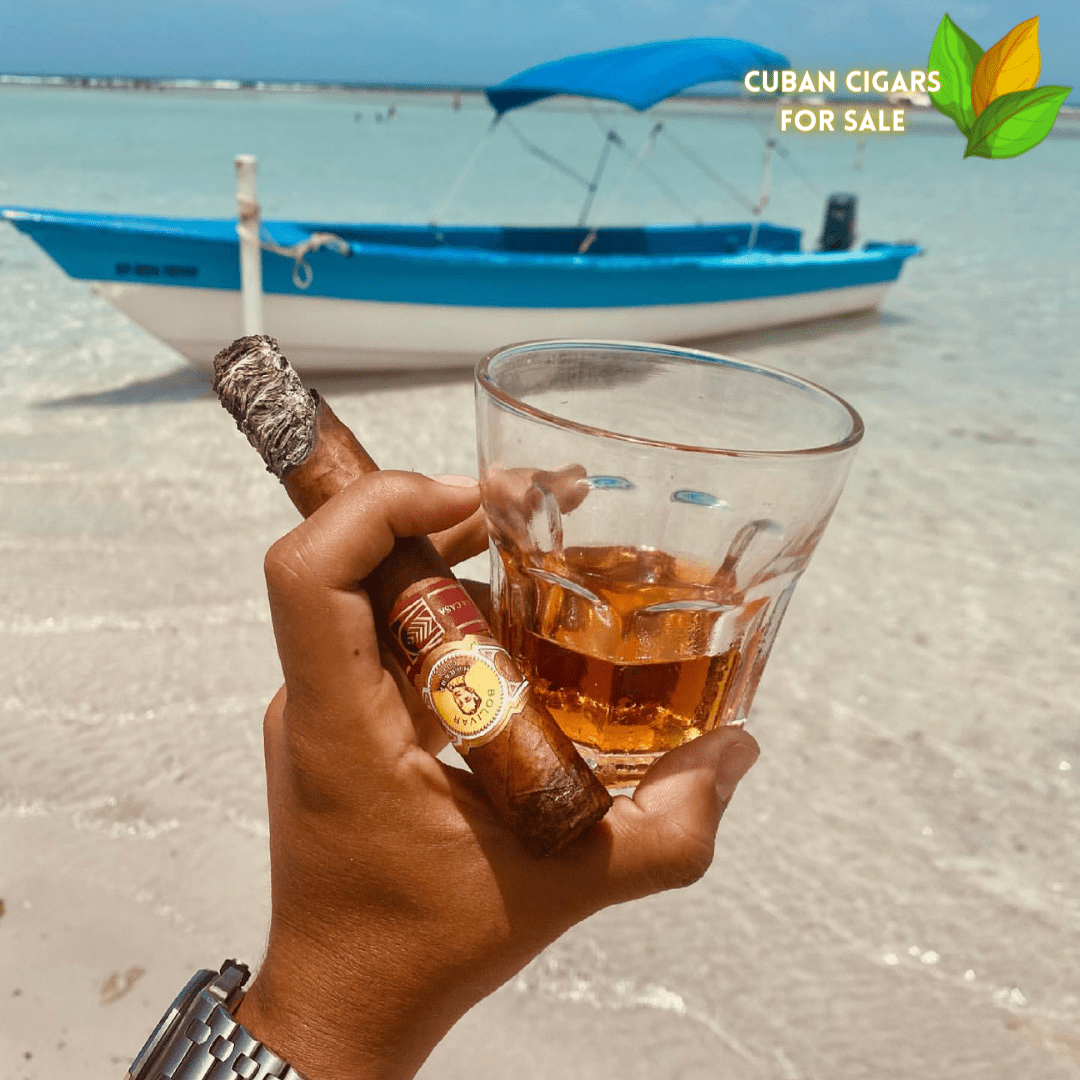
The ice in my glass had mostly given up the ghost, leaving a thin film of water over a pour of dark rum that matched the mahogany of the furniture. I reached into my travel humidor and pulled out a stick that had been waiting for a moment exactly like this. You ever have a cigar that just looks like it belongs in a setting of colonial architecture and midnight shadows? This was it. I clipped the cap, felt the weight of it in my hand, and realized that for the next hour and a half, the rest of the world could just go ahead and wait.
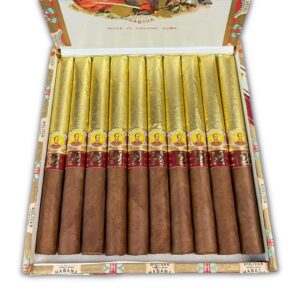
That smoke? The Bolivar Libertador LCDH. It’s a beast of a cigar, but it’s got a certain grace to it that you don’t always expect from the Bolivar name. It felt like holding a piece of history, something meant for a man who’s earned a bit of silence.
The Specs
| Product Name | Bolivar Libertador LCDH |
| Vitola | Sublimes (Double Robusto) |
| Length | 164 mm (approx. 6.5 inches) |
| Ring Gauge | 54 |
| Origin | Cuba |
| Wrapper | Cuba (Vuelta Abajo) |
| Binder | Cuba (Vuelta Abajo) |
| Filler | Cuba (Vuelta Abajo) |
| Strength | Medium to Full |
Construction and Feel
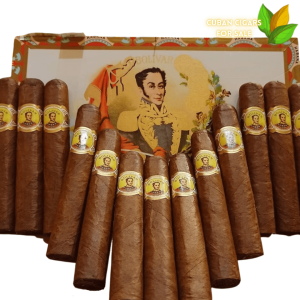
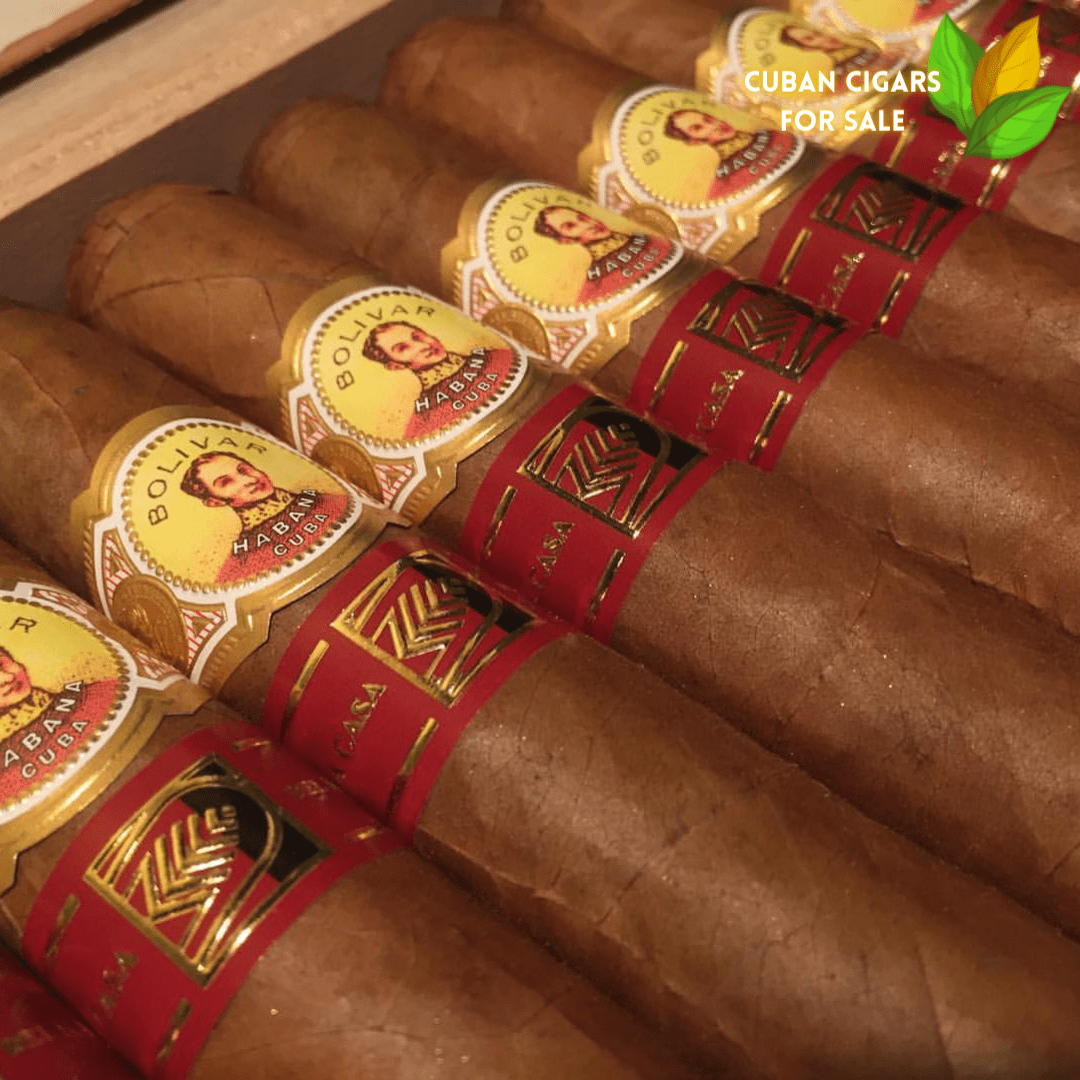
I gotta say, the first thing you notice about the Libertador isn’t just the size—though at a 54 ring gauge, it’s definitely got some girth—it’s the wrapper. It’s dark, oily, and has that classic Cuban toothiness that tells you the leaf spent some quality time fermenting. In my hand, it felt solid. No soft spots, no weird lumps. It’s a Sublimes vitola, which is basically a fancy way of saying it’s a big, thick cigar that’s going to take up a significant portion of your evening.
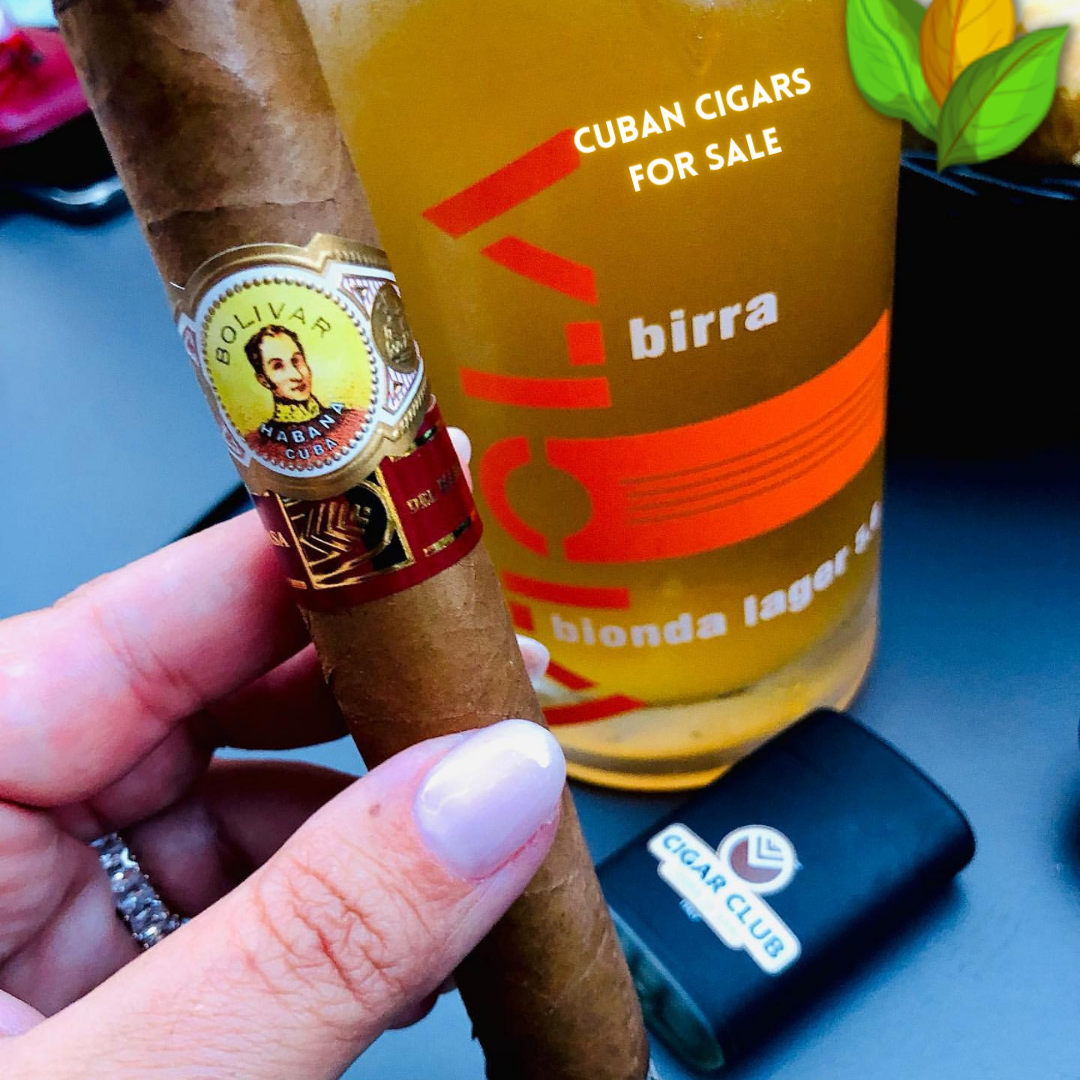
The double band is what marks it as a La Casa del Habano (LCDH) exclusive. You’ve got the standard Bolivar band—featuring the stern face of Simón Bolívar himself—and then that secondary maroon and gold LCDH band. It gives it a bit of a “special occasion” vibe without being flashy. Before I even brought a flame to it, I took a cold draw. I got a hit of dry leather, some citrus zest, and a very distinct smell of old tobacco warehouse. It’s a scent that reminds me of why I started smoking Cubans in the first place. The draw was exactly where I like it: just enough resistance to let you know it’s packed full of quality leaf, but not so tight that you’re working for it.
The First Third: The Opening Act
When I finally toasted the foot and got it going, the first few puffs were surprisingly gentle. Now, Bolivar has a reputation for being the “strongman” of the Cuban world, but the Libertador doesn’t start by punching you in the throat. Instead, it’s like a slow handshake. The smoke was thick and creamy right out of the gate. I’m talking clouds so dense you could almost carve your initials in them.
The initial flavors were a mix of sweet citrus and a deep, earthy base. It wasn’t just “dirt” earth; it was more like damp soil after a rainstorm. I caught flashes of caramel and a bit of dark chocolate, which played nicely against that citrus tang. It’s a fruit-forward start, which I found interesting for a Bolivar. Usually, I expect more spice early on, but this was refined. It sat on the palate with a heavy, buttery texture that made me want to slow down even more. I sat there on that rooftop, watching the smoke drift toward the stars, and I remember thinking that the balance was spot on. It wasn’t trying too hard to impress; it just was.
The Second Third: Finding the Groove
As I moved into the second third, the cigar really started to find its rhythm. This is where the “Sublimes” size pays off. Because there’s so much tobacco in that 54 ring gauge, the transitions are gradual. You don’t just hit a wall of new flavor; it evolves. The sweetness from the first third started to pull back, making room for a more wood-centric profile. Cedar became the dominant player here, but it wasn’t a dry cedar. It was rich, backed by a spice rack that I wasn’t expecting.
I’m talking coriander, maybe a touch of cinnamon, and a hint of nutmeg. It’s a warm profile, like a well-aged kitchen. The creaminess never left, which is the hallmark of a well-constructed Cuban for me. If a cigar loses that creaminess and turns harsh, I’m out. But the Libertador kept its composure. I noticed the strength ticking up a bit here, moving from a comfortable medium to a more assertive medium-full. It’s the kind of transition that keeps you interested without making you feel like you need to go lie down. I took a sip of my rum, and the spice in the cigar seemed to grab onto the sweetness of the spirit and just hold on. Solid.
The Final Third: The Heavy Hitter
By the time I reached the final third, the city below had gone even quieter. The Libertador, however, was just getting warmed up. The cedar notes intensified, and the spices took on a darker character. I started getting roasted coffee beans—the kind that are oily and dark—and a lot more of that leather I smelled on the cold draw. The finish became crisp, almost sharp, but in a way that cleaned the palate rather than coating it in ash.
This is where the Bolivar DNA really shows up. It gets bold. It gets serious. The strength is definitely at the “full” mark by now, but it’s a sophisticated strength. It’s not bitter. Even as the nub got shorter and the heat got closer to my fingers, the flavors stayed true. I didn’t get any of that “hot air” taste you get with lesser cigars at the end. I kept smoking it until I couldn’t hold it anymore, which is usually my sign of a good night. It’s a long smoke—I clocked in at about 95 minutes—but it never felt like a chore. Every puff had something to say.
Pairing Recommendations
When you’re dealing with a Bolivar of this stature, you can’t pair it with something weak. You need a drink that has enough backbone to stand up to that Vuelta Abajo tobacco.
- Dark Rum: My choice that night. A 12-year or older Ron Zacapa or Havana Club 7. The molasses sweetness cuts through the earthy spice of the Bolivar perfectly.
- Espresso: If you’re smoking this in the afternoon, a double shot of Cuban coffee is the way to go. The bitterness of the coffee brings out the chocolate and caramel notes in the first third.
- Peated Scotch: If you’re a fan of the “smoke on smoke” experience, a Lagavulin or Laphroaig works. The medicinal peat plays an interesting game with the cedar and leather of the final third.
The History and the Rarity
I think it’s worth mentioning that this cigar has a bit of a backstory. It didn’t just appear out of nowhere in 2013 as an LCDH exclusive. Back in 2006, it was actually a Regional Edition for France. It was so popular—and the size was so well-received—that Habanos S.A. decided to bring it back as a permanent (though limited) fixture for their La Casa del Habano shops.
Named after Simón Bolívar, the man who helped liberate much of Latin America, the “Libertador” name carries some weight. It’s fitting that this cigar is only found in LCDH shops, which started back in 1990 in Cancún. Those shops are the gold standard for Cuban cigars, and the Libertador is one of their crown jewels. It’s sold in boxes of 10, which I actually prefer. It feels more exclusive, and it’s easier to justify tucking a box away in the humidor for a few years to see how they age.
The Verdict
So, is the Bolivar Libertador LCDH worth the hunt? I’d say yeah, absolutely. It’s not a cigar for your morning commute or a quick break between meetings. This is a cigar for the end of the night, for the rooftop, for the moments when you want to actually taste your tobacco and think about the day you just had.
It’s got a complexity that keeps you guessing, a construction that doesn’t quit, and a flavor profile that respects the Bolivar tradition while adding a bit of modern refinement. It’s big, it’s bold, and it’s balanced. If you find yourself in an LCDH shop and you see that maroon band peeking out from a box of ten, do yourself a favor and grab one. Or better yet, grab the box. You’ll want more than one of these when the next quiet night rolls around.
For me, it was the perfect companion for a late-night contemplation. It didn’t demand my attention; it earned it. And when I finally put the nub in the ashtray and headed downstairs, I felt like the world was a little more in focus. That’s about as much as you can ask from a cigar. Solid.